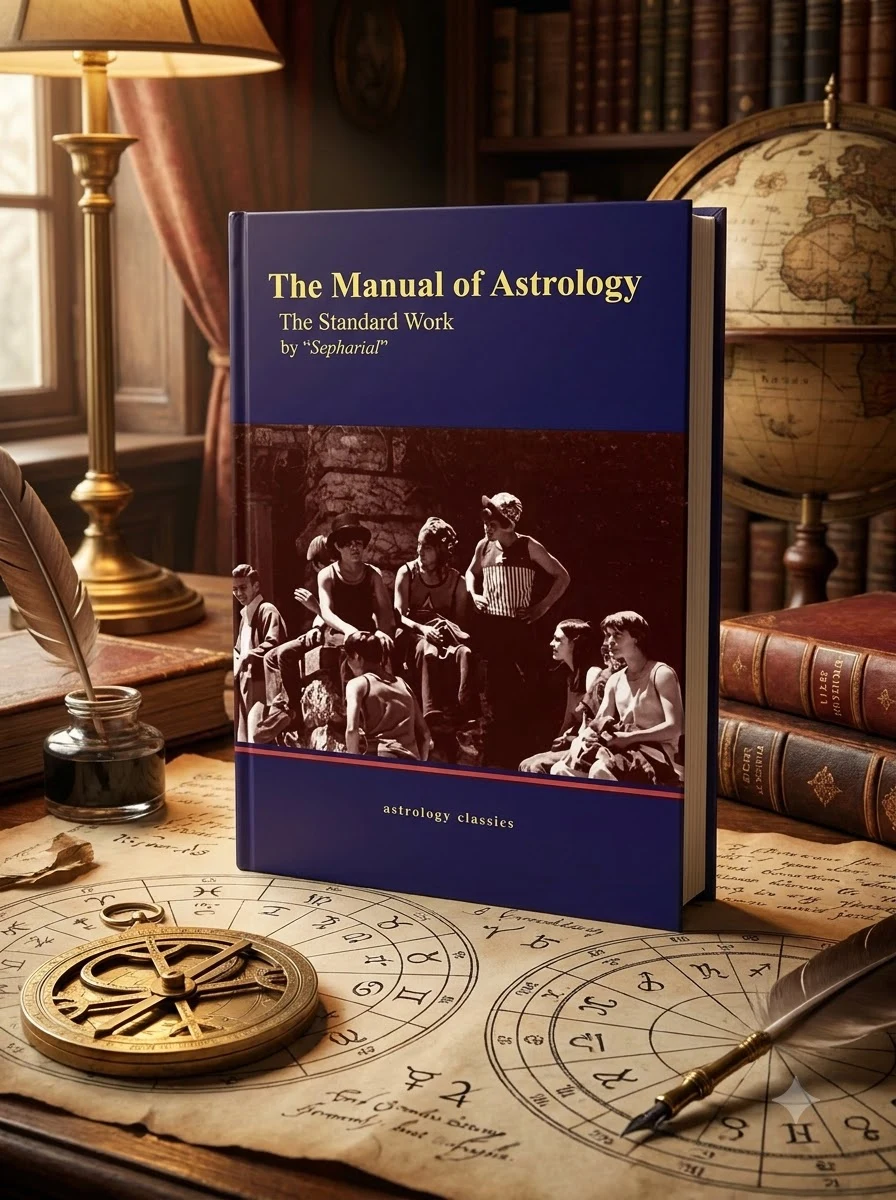
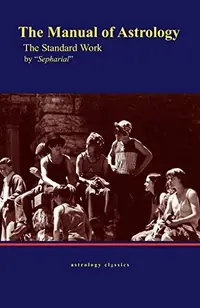
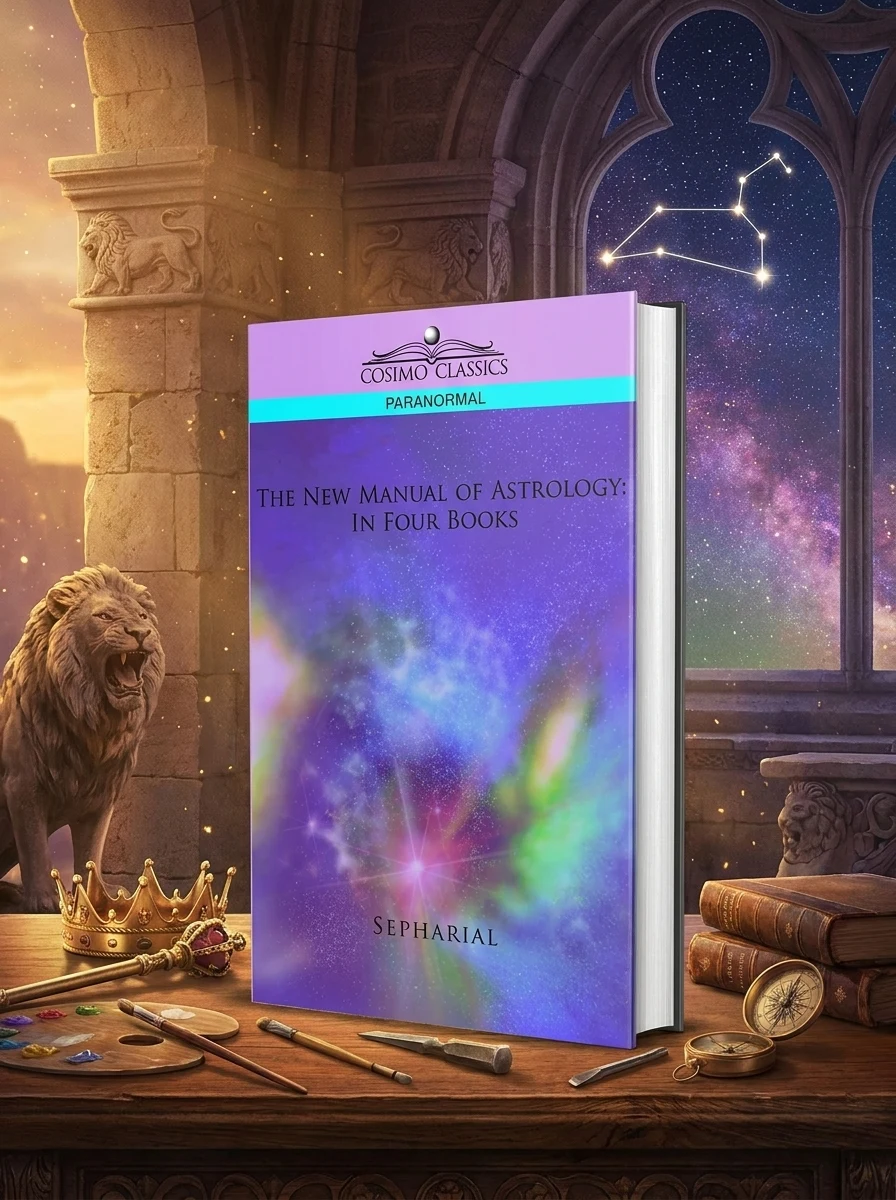
The Manual of Astrology, the Standard Work
SepharialStock reported in the catalog; fulfillment is confirmed with your request.
Uncover the lost art of predictive astrology from a bygone era.
Step back to the foundational astrological practices of the late 19th century. Sepharial's 1898 manual offers a distinct approach, moving beyond psychological introspection to directly address life's tangible concerns. This comprehensive work delves into detailed interpretations for zodiac signs, especially on the ascendant, and reveals insights into physical appearance based on planetary placements. Rather than abstract profiles, it guides practitioners in answering concrete questions about career, relationships, offspring, and health by meticulously analyzing specific houses and their planetary inhabitants.
This text represents the late 19th-century tradition of practical astrology, prioritizing tangible life outcomes over spiritual or psychological analysis. It serves as a bridge between classical techniques and the evolving esoteric practices of that era.


📝 Description: The Manual of Astrology, the Standard Work
💎 Expert review
📖 Why choose it
Why this book is worth reading
This volume is essential for practitioners who crave concrete, actionable guidance rather than abstract psychological profiles. Readers seeking to understand the direct impact of planetary placements on career, relationships, offspring, and health will find immense value in Sepharial’s meticulous approach. It appeals to those who view astrology as a tool for answering specific life questions through the lens of the ascendant and house systems. If you are drawn to the bygone era’s predictive methods and wish to decode physical appearance and tangible life events with precision, this manual provides the foundational framework necessary for such detailed inquiry.
⭐ Reader reviews
Reader rating
While comprehensive regarding late 19th-century techniques, this work may frustrate modern readers accustomed to psychological or evolutionary astrology. It does not suit those seeking spiritual growth or abstract archetypal interpretations, as it focuses strictly on tangible concerns like health and career. The dense analysis of the ascendant and specific houses requires patience and a willingness to engage with older, more deterministic methodologies. However, for historians of esotericism and traditionalists, it remains an indispensable resource for understanding how astrologers once addressed daily life with such rigorous specificity.
❓ Frequently asked questions
📖 Who should read this
If you're an astrologer seeking the historical roots of predictive practice, or a student curious about pre-modern techniques, this manual is for you. It offers a refreshing departure from contemporary psychological astrology, guiding you toward concrete answers for life's pressing questions.
🎯 Key themes and symbolism
Practical Life Delineations
This manual resurrects a tradition where astrology wasn't about self-discovery, but direct prediction. It empowers the reader to forecast specific life events and outcomes, from marital prospects to potential illnesses, by interpreting planetary placements within houses relevant to those inquiries, reflecting practical client needs of a bygone era.
Appearance and Constitution
Uniquely, Sepharial provides extensive guidance on interpreting physical characteristics. The text offers detailed delineations for zodiac signs on the ascendant, and how planets in the first house or as chart ruler directly influence one's outward appearance and innate constitution. This focus on tangible, observable traits distinguishes it from modern, more abstract astrological interpretations.
Direct Horary Questions
The core methodology involves identifying the specific house that governs a client's burning question—be it about career, marriage, or health. Once identified, the astrologer interprets the signs and planets residing within that house. This pragmatic, problem-solving approach empowers one to provide direct, actionable answers, mirroring the practical inquiries common to clients of that era.
💬 Quotes from the book
“Should Aries ascend, with Mars in the first house, one may expect a countenance bold and often ruddy, prone to quick action and a robust, energetic frame.”
“To ascertain the nature of one's professional success, one must examine the Tenth House with diligence, noting the signs and planets therein for clear prognostication.”
📜 Historical context
📚 Glossary
- Ascendant
- Delineation
- Chart Ruler
📔 Questions to reflect on
- How does Sepharial's direct, question-based approach challenge or complement your current understanding of astrological interpretation?
- Consider a specific life question you've pondered. How would you apply this book's methodology—focusing on relevant houses and planets—to seek an answer?
- If modern astrology emphasizes self-discovery, what might be gained or lost by re-incorporating this book's focus on concrete prediction into contemporary practice?
✍️ More books by this author Sepharial
All books by this author →
 82
82
 75
75

You might also like
See more →
 82
82
 91
91