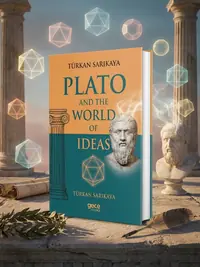

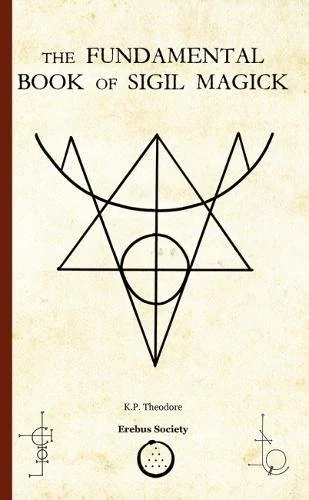
The Fundamental Book of Sigil Magick Vol. 3: The Compendium - A Directory of Magick Sigils
Theodore, K PStock reported in the catalog; fulfillment is confirmed with your request.
Uncover the objective, universal truths that empower every magical sigil.
Delve into the profound philosophy underpinning the art of sigil crafting with this essential compendium. K.P. Theodore masterfully reinterprets Plato's 'World of Ideas,' asserting that sigils are not mere symbols, but direct conduits to the fundamental, objective realities that shape our existence. This volume offers a curated directory of potent sigils, presented not just as tools for manifestation, but as keys to understanding the universal laws that govern consciousness and reality. Explore the unseen architecture of the cosmos, transforming abstract concepts into tangible magical power.
This work sits firmly within the modern ceremonial magic tradition, bridging classical Hermeticism with contemporary sigil magick practices. It draws heavily on Platonic philosophy to provide a metaphysical framework for practical occult techniques.


📝 Description: The Fundamental Book of Sigil Magick Vol. 3: The Compendium - A Directory of Magick Sigils
💎 Expert review
📖 Why choose it
Why this book is worth reading
Readers who seek to move beyond superficial symbol manipulation will find immense value in this comprehensive guide. K.P. Theodore invites those interested in the deeper philosophical underpinnings of magic to explore how sigils function as direct conduits to universal truths. It is ideal for practitioners feeling stuck in rote repetition, offering a renewed perspective on manifestation through the lens of Plato's World of Ideas. If you desire a structured directory of potent sigils that also explains the cosmic architecture behind them, this compendium provides the theoretical depth necessary to transform abstract concepts into tangible power. It empowers users to understand the objective realities shaping their existence, making it essential for serious students of esotericism.
⭐ Reader reviews
Reader rating
Theodore's volume offers a rigorous intellectual approach to sigil magick, grounding chaotic practices in Platonic realism. While the directory of sigils is undoubtedly useful for practitioners seeking variety, the heavy emphasis on philosophical theory may alienate those looking for quick, results-oriented spellcasting without metaphysical justification. It does not suit casual readers or those who prefer purely experiential, non-theoretical approaches to the occult. The text demands patience and a willingness to engage with abstract cosmic laws rather than simple ritual instructions. However, for those committed to understanding the 'why' behind the magic, it provides a coherent and empowering framework that elevates sigil work from mere trickery to a profound engagement with universal consciousness.
❓ Frequently asked questions
📖 Who should read this
If you're a serious practitioner seeking to deepen your understanding of sigil mechanics or a philosopher curious about the metaphysical underpinnings of magick, this volume offers a unique perspective. It challenges conventional views, inviting you to explore sigils as keys to objective reality, not just personal manifestation.
🎯 Key themes and symbolism
Universal Ideas & Sigil Craft
Theodore posits that effective sigils resonate with Plato's "World of Ideas," tapping into objective, pre-existent spiritual realities. This approach elevates sigil magick beyond mere personal will, suggesting symbols are not created but discovered as echoes of fundamental universal truths, providing a deeper philosophical grounding for their efficacy.
Objective Magical Forms
The book explores how sigils act as tangible representations of these eternal, unchanging "forms" or "ideas." Rather than being arbitrary symbols, they are presented as direct access points to the universal laws governing creation, making their activation a process of aligning with and manifesting these inherent principles.
Piercing Illusory Reality
Drawing on the Allegory of the Cave, Theodore suggests sigils are tools to break through the "shadows" of superficial perception. By engaging with these powerful symbols, practitioners can move beyond subjective interpretations to apprehend and interact with the objective, underlying structure of reality itself.
💬 Quotes from the book
“A sigil is not merely a symbol we create, but a resonance we tune into—an echo of a Platonic Form existing in the very fabric of objective reality, waiting to be apprehended.”
“To engage with these potent symbols is to step out of the cave, to turn from the fleeting shadows of perceived reality and gaze upon the enduring light of the universal principles they embody.”
📜 Historical context
📚 Glossary
- Platonic Forms
- Allegory of the Cave
- Objective Idealism
📔 Questions to reflect on
- Consider a sigil you've created or used. How might its efficacy be explained if it were tapping into an objective 'Form' rather than solely your personal will?
- Reflect on Plato's Allegory of the Cave. In what ways might your current understanding of reality or magick be akin to seeing shadows, and how could sigils help you perceive a deeper truth?
- If ideas are the fundamental reality, as Plato suggests, how does this perspective alter your approach to intention-setting and the creation of magical symbols?
✍️ More books by this author Theodore, K P
All books by this author →
🏛 Books from this publisher Erebus Society
All books from this publisher →
You might also like
See more →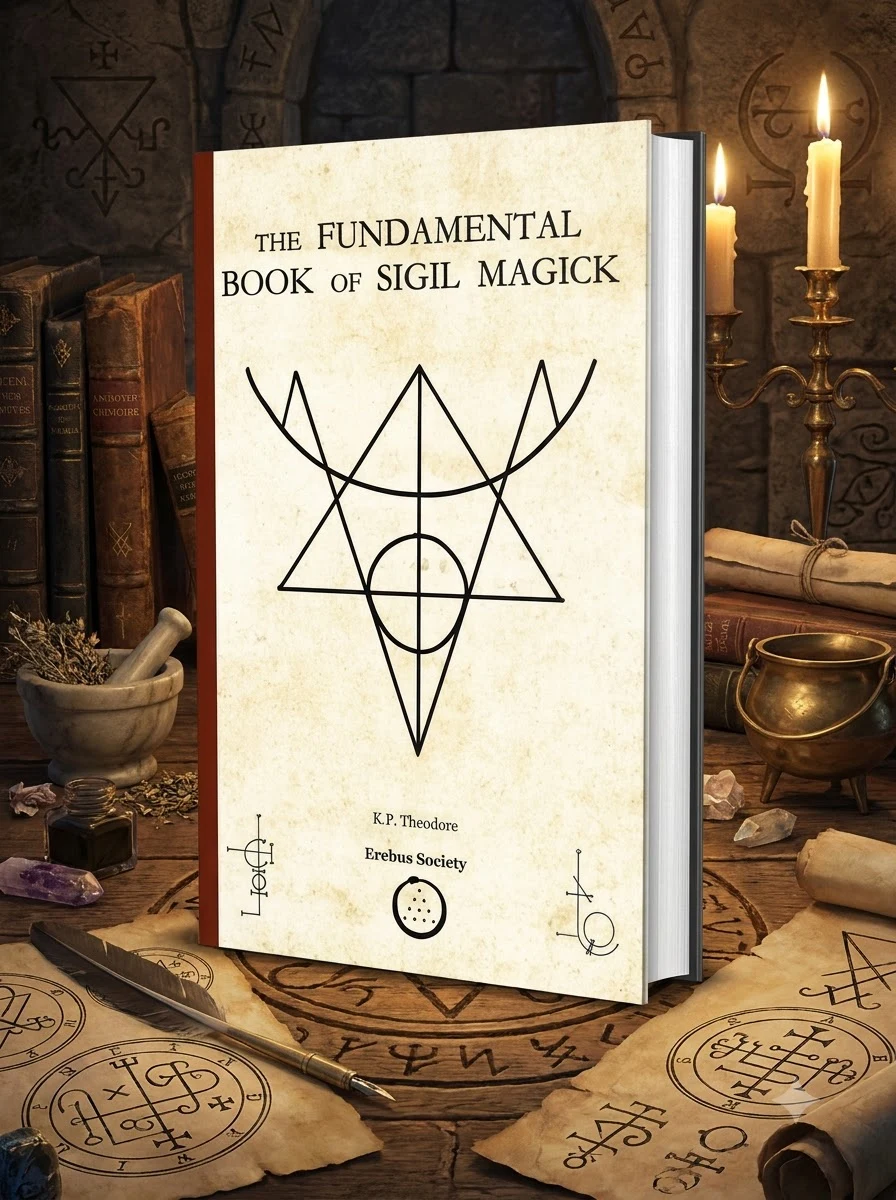
 88
88

 91
91
 91
91