
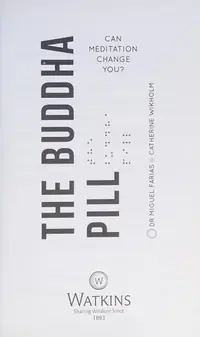
The Buddha Pill: Can Meditation Change You?
Farias, Miguel; , Wikholm Catherine

This edition can be ordered. No arrival date is confirmed.
Does meditation truly transform us, or merely placate the modern mind?
Pioneering psychologists Dr. Miguel Farias and Catherine Wikholm delve into the widely embraced world of meditation and mindfulness, placing these practices under rigorous scientific scrutiny. This book moves beyond popular assumptions, dissecting whether meditative techniques genuinely foster personal betterment, ethical conduct, or merely offer transient relief. It challenges the romanticized narratives, urging readers to consider the empirical evidence for both the purported benefits and potential limitations, offering a grounded, critical perspective on a global phenomenon.
This work emerges from the contemporary intersection of clinical psychology and popular mindfulness trends, challenging the romanticized spiritual narratives that have dominated recent decades. It represents a critical scientific inquiry into the efficacy and limitations of meditation within modern Western society.


📝 Description: The Buddha Pill: Can Meditation Change You?
💎 Expert review
📖 Why choose it
Why this book is worth reading
Readers seeking a grounded, evidence-based perspective on meditation will find this book invaluable for separating fact from fiction. It is ideal for skeptics or practitioners who feel that popular mindfulness advice lacks scientific rigor. By examining empirical data rather than relying on anecdotal success stories, the authors provide a nuanced view of how meditation impacts the mind. Those interested in the ethical implications and genuine psychological benefits of these practices will appreciate the balanced approach. It helps readers make informed decisions about their practice, understanding both the potential for personal betterment and the risk of mere placation. This critical lens offers clarity for anyone wanting to ensure their meditation journey is truly transformative rather than just a temporary escape from modern stress.
⭐ Reader reviews
Reader rating
Farias and Wikholm deliver a necessary corrective to the spiritual bypassing often found in mindfulness literature. Their rigorous scrutiny provides a refreshing, albeit sometimes dry, counterpoint to the genre's usual hype. However, readers seeking inspirational anecdotes or step-by-step instructional guides will likely find this text too academic and detached. It does not suit those who prefer esoteric wisdom over statistical analysis. The book demands intellectual engagement rather than emotional comfort. While essential for understanding the scientific reality of meditation, it may disappoint those looking for a spiritual companion. It is a compelling read for the analytically minded but feels distant to the purely devotional.
❓ Frequently asked questions
📖 Who should read this
If you've embraced meditation or are considering it, yet harbor questions about its deeper effects or the pervasive hype, this incisive inquiry is for you. It's for seekers of truth, not just comfort, who desire a scientifically informed perspective on transformative practices.
🎯 Key themes and symbolism
Meditation's Efficacy Examined
This book critically scrutinizes the scientific evidence supporting meditation and mindfulness, moving beyond anecdotal claims. It dissects various studies to determine the genuine psychological and behavioral changes these practices can induce, challenging popular narratives of instant transformation and offering a data-driven perspective on their true impact.
Beyond Spiritual Romanticism
The authors strip away the idealized, often spiritualized, image of meditation, presenting it as a psychological tool with both potential benefits and limitations. They advocate for a clear-eyed, secular understanding, free from unverified mystical promises or cultural appropriations, grounding the discussion in empirical reality rather than dogma.
The 'Better Person' Question
At its core, the work probes whether consistent meditative practice genuinely cultivates greater ethics, compassion, or improved social behavior. It investigates if the widespread belief in meditation as a path to moral enhancement holds up under rigorous psychological and ethical scrutiny, questioning the often-stated claim of making us inherently 'better' individuals.
💬 Quotes from the book
“To truly understand meditation's impact, we must move beyond the glowing testimonials and into the often uncomfortable terrain of scientific scrutiny.”
“The question isn't merely whether meditation can change you, but *how* it changes you, and if those transformations align with the utopian visions often marketed.”
📜 Historical context
📚 Glossary
- Mindfulness
- Empirical
- Secular Meditation
📔 Questions to reflect on
- Reflect on your own experiences with meditation or mindfulness. Have your expectations aligned with the actual outcomes, or have you noticed discrepancies?
- How might a critical, evidence-based understanding of meditation influence your personal practice or your views on broader spiritual or self-help claims?
- Consider the societal impact of the 'mindfulness revolution.' Are there ethical considerations or unintended consequences we should be more aware of?
✍️ More books by this author Farias, Miguel; , Wikholm Catherine
All books by this author →
🏛 Books from this publisher Watkins Publishing
All books from this publisher →




![Pregnancy Health Yoga: Your Essential Guide for Bump, Birth and Beyond [With DVD]](/img/pregnancy-health-yoga-your-essential-guide-for-bump-birth-and-beyond-with-dvd.webp)
You might also like
See more →