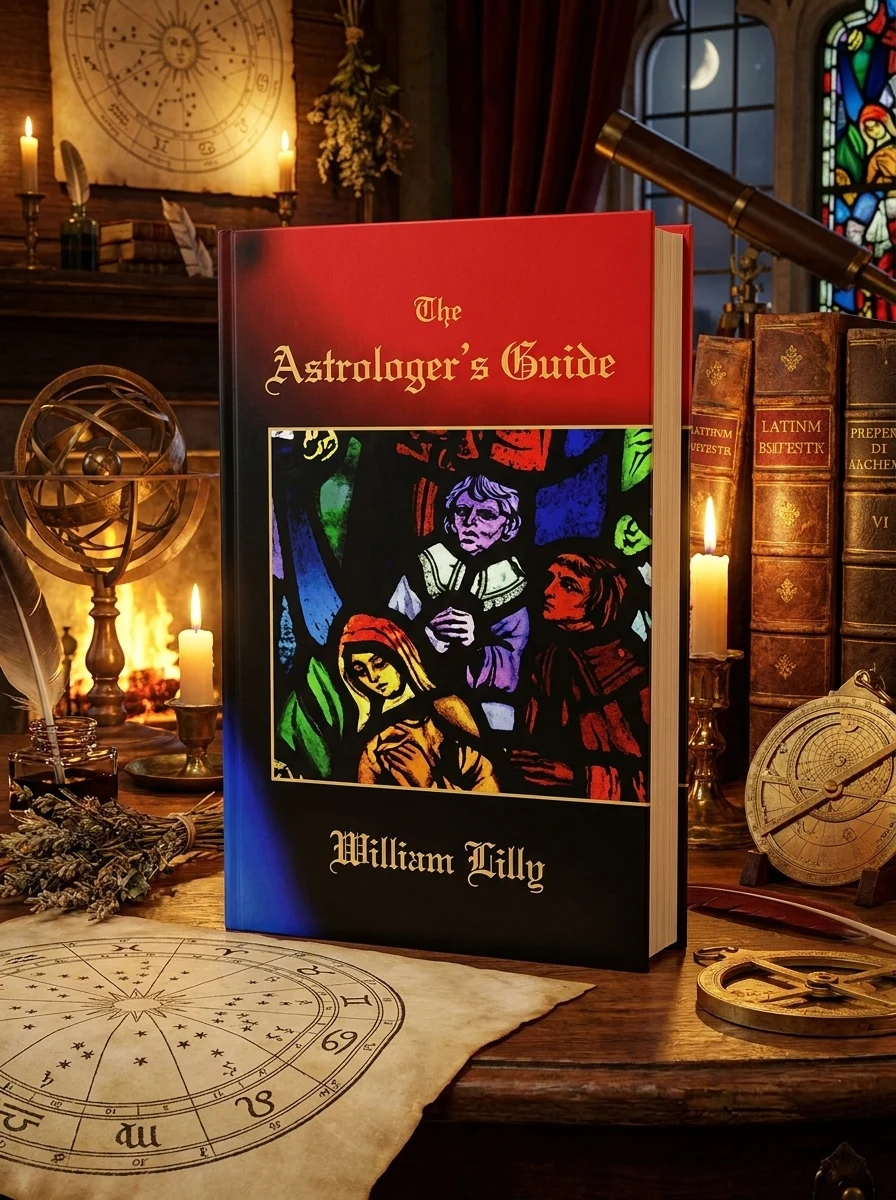


The Astrologer's Guide
Lilly, WilliamStock reported in the catalog; fulfillment is confirmed with your request.
A timeless compass for the stars, blending Bonatus’s wisdom with Cardan’s sharp aphorisms.
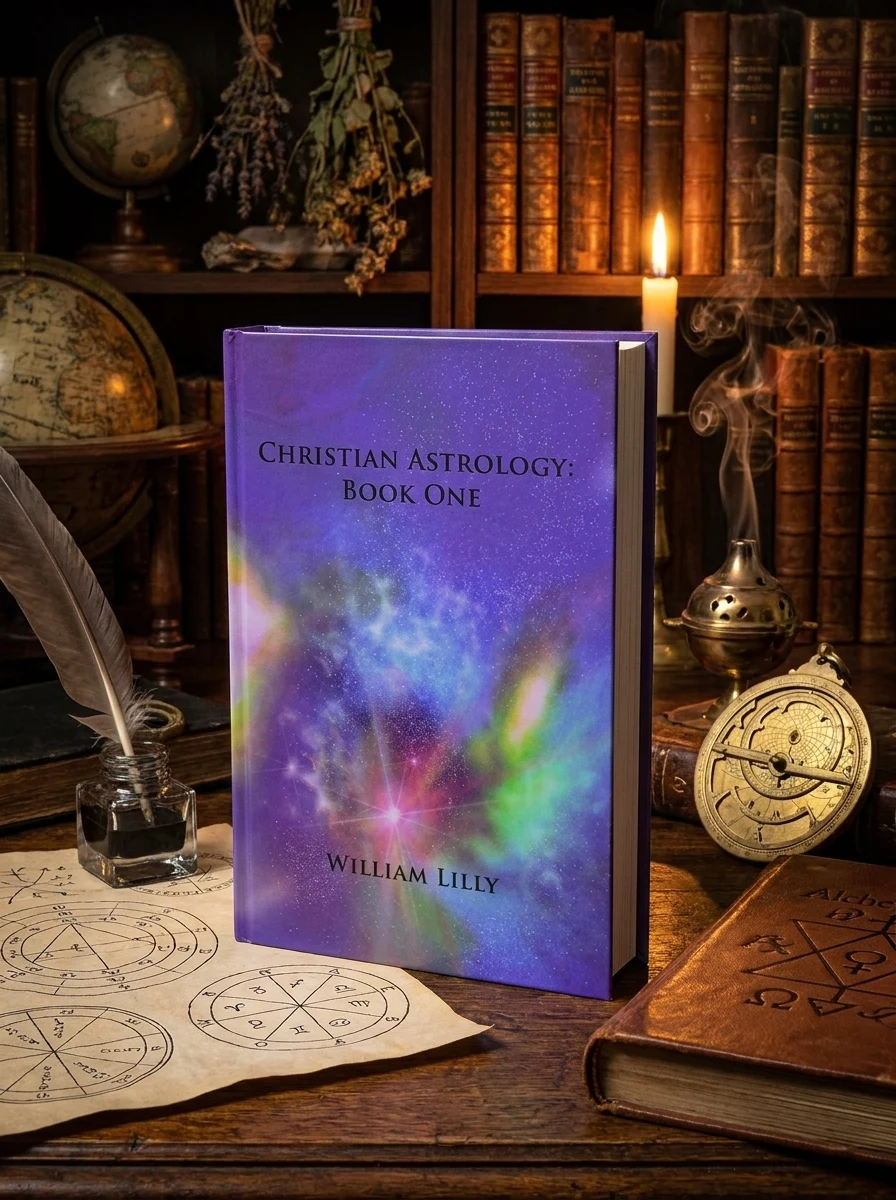
This volume serves as a dense repository of classical astrological technique, bridging the medieval and early modern eras. Compiled by William Lilly in 1675, it preserves the profound Considerations of Guido Bonatus alongside the select aphorisms of Gerolamo Cardan. Though originally rendered from Latin by Henry Coley and first appearing in English in 1886, the text remains a vital resource. It offers practitioners deep insights into natal chart analysis, predictive timing, and horary questioning, maintaining the rigor and utility valued by scholars of the occult sciences for centuries.
This text anchors itself in the dense repository of classical astrological technique that bridges the medieval and early modern eras. It preserves the profound wisdom of Guido Bonatus alongside the sharp aphorisms of Gerolamo Cardan, reflecting a tradition valued by scholars of the occult sciences for centuries.


📝 Description: The Astrologer's Guide
💎 Expert review
📖 Why choose it
Why this book is worth reading
Practitioners seeking deep insights into natal chart analysis, predictive timing, and horary questioning will find this volume an indispensable resource. It serves as a timeless compass for the stars, blending the historical rigor of Bonatus with Cardan’s sharp aphorisms. Scholars and serious students of the occult sciences will appreciate its utility in maintaining the high standards of classical technique. By bridging medieval wisdom with early modern clarity, it offers a unique window into the methods that have shaped astrological thought for generations.
⭐ Reader reviews
Reader rating
I collect works on this subject and this is a worthy addition. I appreciated how the argument builds steadily from first principles.
Was skeptical at first. Challenging in places, but never needlessly obscure. It connects ideas I'd only seen treated separately elsewhere. Definitely recommend.
I've read excerpts online before, but having the full text is different. I found myself reading passages aloud just to sit with them. Shipping was quick too.
First purchase from this shop. Solid binding, decent paper — holds up to heavy use. There's real depth here that reveals itself on a second reading. If you're drawn to this subject, don't hesitate.
Added this to my reference shelf. It connects ideas I'd only seen treated separately elsewhere. My only regret is not ordering it sooner.
This dense compilation demands patience from the reader, offering no hand-holding but rather a rigorous encounter with classical method. It is strictly for those committed to the scholarly study of astrology’s historical roots, particularly those interested in the specific contributions of Bonatus and Cardan. Casual readers or those seeking modern, accessible interpretations will likely find it impenetrable and dry. The text does not simplify complex concepts; instead, it preserves them in their original, challenging form. It is a vital resource for specialists but remains largely inaccessible to the general public due to its academic intensity and archaic structure.
❓ Frequently asked questions
📖 Who should read this
Dedicated students of traditional astrology seeking primary sources on chart interpretation. It suits those interested in the historical development of divination and the specific methodologies of the 17th century.
🎯 Key themes and symbolism
Classical technique
Horary astrology
Predictive methods
💬 Quotes from the book
“The stars incline, they do not compel.”
“To know the future, one must first understand the present chart.”
📜 Historical context
📚 Glossary
- Horary Astrology
- Aphorisms
- Natal Astrology
📔 Questions to reflect on
- Which planetary dignity or aspect mentioned in the aphorisms most challenges your current interpretive approach?
- How does the distinction between Bonatus’s systematic considerations and Cardan’s sharp aphorisms alter your reading style?
- In what ways can these 17th-century techniques resolve a specific, current horary question you face?
✍️ More books by this author Lilly, William
All books by this author →
 82
82
 89
89
 85
85

 89
89

🏛 Books from this publisher American Federation of Astrologers
All books from this publisher →

 86
86

You might also like
See more → 90
90
 89
89
 89
89
 87
87
 85
85
 82
82