Tarot Emblemata: Decoding Magical Symbolism (83 Full-Color Cards and 192-Page Guidebook)
Stock reported in the catalog; fulfillment is confirmed with your request.
Unearth ancient wisdom, reimagining Tarot through the captivating art of Renaissance emblems.
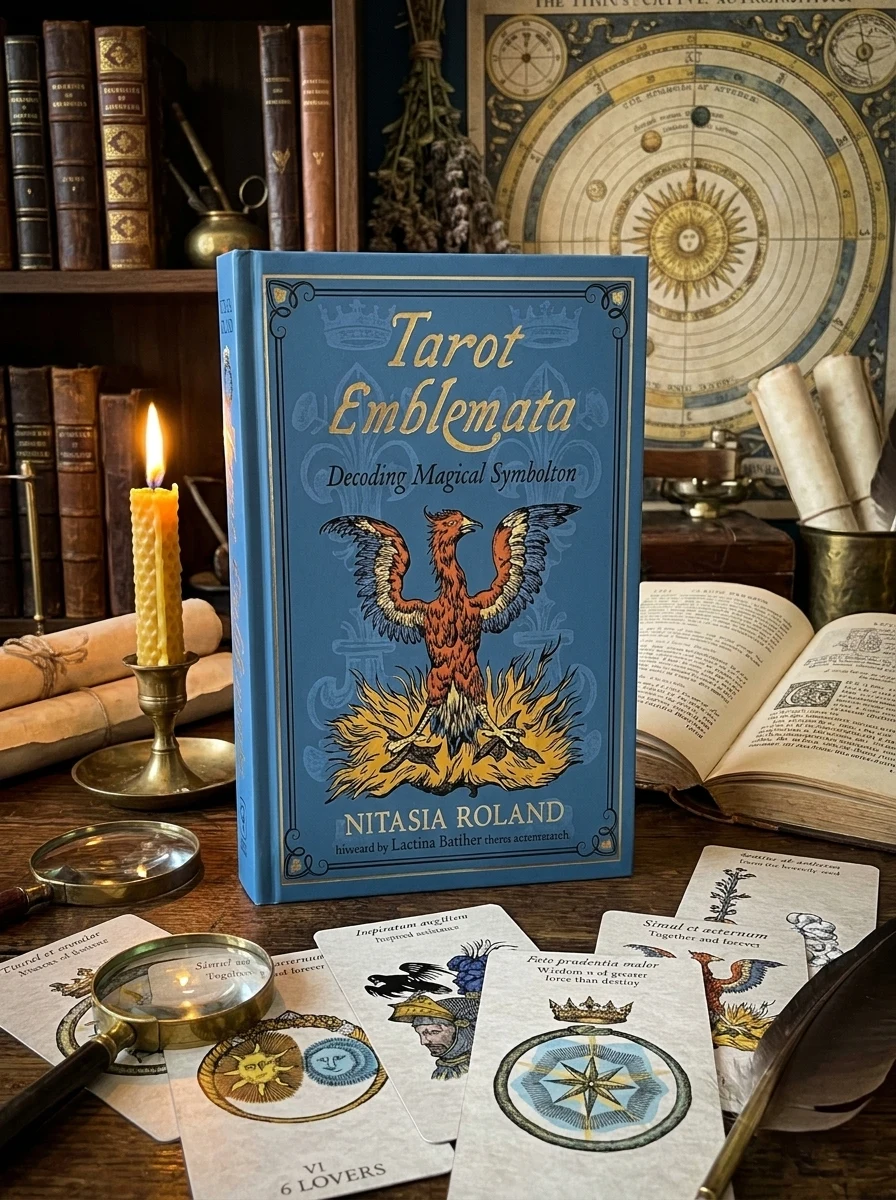
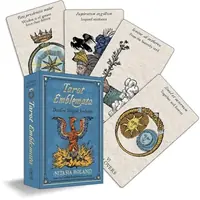
This extraordinary deck and guidebook by Nitasia Roland invites you to delve into the rich visual language of 16th-century Renaissance emblems. Based on Claude Paradin's 1551 collection, *Tarot Emblemata* masterfully reinterprets these allegorical images and their accompanying mottos, revealing their profound, often overlooked, resonance with the Major and Minor Arcana of the Tarot. Discover how plumes, swords, coins, and natural motifs originally conveyed societal concerns and philosophical truths, offering a unique historical lens through which to engage with your divinatory practice.
This work bridges Renaissance emblematic literature and modern Tarot practice by reinterpreting 16th-century allegorical images through the lens of divinatory symbolism. It connects historical philosophical truths with contemporary esoteric study.


📝 Description: Tarot Emblemata: Decoding Magical Symbolism (83 Full-Color Cards and 192-Page Guidebook)
💎 Expert review
📖 Why choose it
Why this book is worth reading
Readers deeply invested in the visual language of the Tarot will find immense value in this unique deck and guidebook. Nitasia Roland and Laetitia Barbier offer a fresh perspective by reconnecting modern divinatory practice with the rich, allegorical tradition of Renaissance emblems. Those who appreciate historical context alongside spiritual insight will enjoy uncovering how societal concerns and philosophical truths were once conveyed through symbols like plumes, swords, and coins. This book is ideal for anyone seeking to deepen their understanding of the Major and Minor Arcana by viewing them through a distinct historical lens. It transforms familiar cards into profound vessels of ancient wisdom, making it a perfect addition for collectors and serious students of esoteric history who desire a more intellectually engaging divinatory tool.
⭐ Reader reviews
Reader rating
Tarot Emblemata presents a sophisticated fusion of art history and occultism, offering a visually stunning and intellectually stimulating experience. By grounding the Tarot in Claude Paradin’s 1551 emblem collection, it provides a rigorous framework for interpreting symbolic resonance. However, this approach may not suit casual readers seeking simple, intuitive divination without historical baggage. Those uninterested in Renaissance art or allegorical mottos might find the dense intellectual layering cumbersome. The book demands an appreciation for complex visual language and philosophical depth. It is best suited for those who view Tarot as a scholarly pursuit as much as a spiritual one. While beautifully produced, its niche focus on historical reinterpretation means it will likely appeal more to academic occultists than general hobbyists looking for straightforward guidance.
❓ Frequently asked questions
📖 Who should read this
If you're a discerning Tarot enthusiast, a scholar of historical art, or someone seeking a divinatory tool steeped in intellectual rigor and symbolic depth, this deck is for you. It offers a fresh, historically grounded perspective for those eager to expand their interpretive horizons.
🎯 Key themes and symbolism
Renaissance Symbolic Language
Explore the didactic genre of Renaissance emblems, which served as intricate visual parables. These illustrations, paired with concise mottos, offered moral guidance and reflected the multifaceted intellectual landscape of the early modern era, encompassing ethics, natural philosophy, and societal values in a deeply symbolic format.
Tarot's Hidden Lineage
Nitasia Roland brilliantly uncovers direct correspondences between these historical emblems and the traditional archetypes and suits of the Tarot. Observe how ancient iconography featuring elements like swords, cups, and coins foreshadows and enriches the symbolism of the Wands, Swords, Cups, and Pentacles, providing a deeper understanding of Tarot's visual evolution.
The Art of Interpretation
Beyond mere imagery, this work emphasizes the active process of decoding. Renaissance emblems were designed to provoke contemplation and reveal layers of meaning, a practice mirrored in Tarot reading. The deck encourages a thoughtful, reverent engagement with symbols, pushing readers to look beyond the obvious and embrace nuanced understanding.
💬 Quotes from the book
“Every plume, every helmet, every coin on these cards whispers a story centuries old, inviting a gaze that seeks not just meaning, but resonance across time.”
“The true power of an emblem, like a well-chosen Tarot card, lies not merely in its image, but in the layers of wisdom it compels us to uncover within ourselves.”
📜 Historical context
📚 Glossary
- Emblems
- Major Arcana
- Minor Arcana
📔 Questions to reflect on
- Choose an emblem from the deck that particularly resonates with you. How does its historical meaning translate into a personal message for your life today?
- Reflect on how the imagery of Renaissance emblems, both secular and religious, broadens your understanding of traditional Tarot archetypes. What new insights emerge?
- Consider the concept of 'didactic art.' How can a divinatory tool like Tarot function not just for prediction, but also as a teacher of virtue or understanding, much like these ancient emblems?
🏛 Books from this publisher Weiser Books
All books from this publisher →

 87
87


You might also like
See more →
![The Uncommon Tarot: (78-Card Deck and Guidebook) [With Book(s)]](/img/the-uncommon-tarot-78-card-deck-and-guidebook-with-book-s-scene.webp)

 91
91