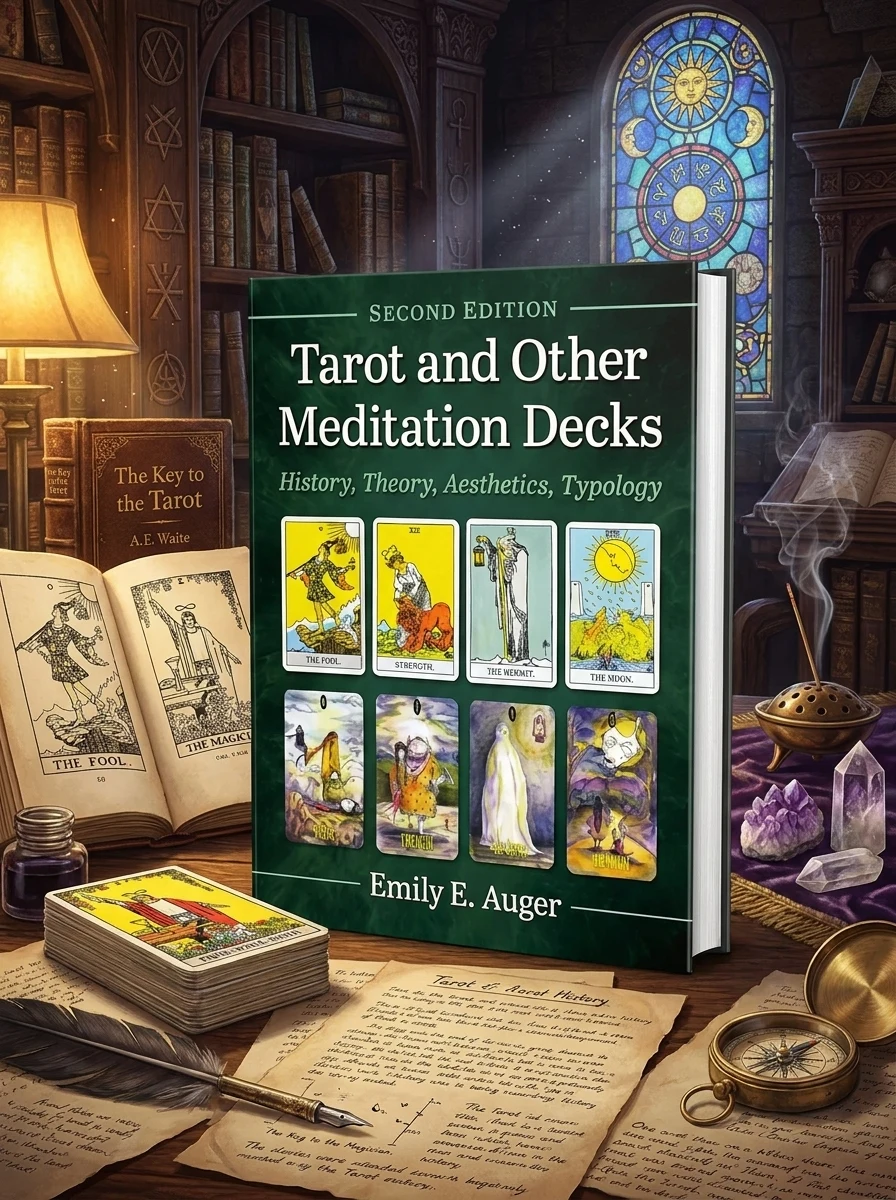
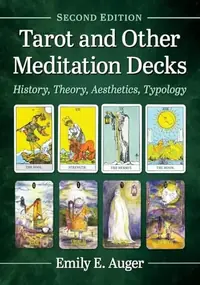
Tarot and Other Meditation Decks: History, Theory, Aesthetics, Typology, 2d ed. (Revised)
Stock reported in the catalog; fulfillment is confirmed with your request.
Unravel the rich tapestry of Tarot, from its ancient games to modern art.
This comprehensive volume meticulously charts the evolution of Tarot and kindred meditation decks, tracing their journey from 15th-century card games to profound tools for esotericism, cartomancy, and personal reflection. Emily Auger's analysis critically engages with Tarot's aesthetic and theoretical underpinnings, connecting its visual language to pivotal modern and postmodern art movements. The work also explores surprising links to literary history, the modernist 'grid,' and contemporary representations in film. A significant addition delves into the growing influence of archetypal 'shadow work,' offering fresh perspectives on Tarot's narrative and artistic dimensions.
This volume situates itself within the scholarly discourse of esoteric history and art theory, bridging the gap between historical cartomancy and contemporary aesthetic analysis.


📝 Description: Tarot and Other Meditation Decks: History, Theory, Aesthetics, Typology, 2d ed. (Revised)
💎 Expert review
📖 Why choose it
Why this book is worth reading
Scholars, artists, and serious practitioners will find immense value in this rigorous examination of Tarot’s evolution from a simple pastime to a complex esoteric tool. Auger offers a unique lens by connecting visual language to modern art movements and literary history, providing depth often missing in standard guides. Readers interested in the theoretical underpinnings of divination, the aesthetics of deck design, and the psychological impact of archetypal shadow work will appreciate this comprehensive approach. It is ideal for those seeking to understand not just how to use cards, but why they look the way they do and how they function within broader cultural narratives.
⭐ Reader reviews
Reader rating
Auger delivers a dense, academic exploration that prioritizes theoretical analysis over practical instruction. While intellectually stimulating for those interested in art history and esoteric typology, this book is not suitable for beginners seeking step-by-step divination methods or casual readers looking for accessible, lighthearted introductions to Tarot. The focus on postmodern art movements and literary links may alienate practitioners who prefer traditional spiritual frameworks. It serves best as a reference text for researchers rather than a bedside companion for daily meditation.
❓ Frequently asked questions
📖 Who should read this
If you're a serious student of Tarot, an art historian curious about esoteric influences, or a literary scholar seeking hidden connections, this comprehensive work offers unparalleled insights. It's for anyone desiring a deeper, academic understanding of meditation decks beyond mere practical application.
🎯 Key themes and symbolism
Tarot's Enduring Transformation
This book traces the deck's remarkable journey from a 15th-century parlor game to a potent tool for esotericism, divination, and self-reflection. It explores the cultural and historical forces that shaped its diverse applications, highlighting Tarot's profound adaptability through centuries of changing belief systems and societal practices, offering a fresh perspective on its multifaceted origins.
Artistic & Literary Dimensions
The study places Tarot within the grand sweep of art history, analyzing its connections to major movements like Symbolism and Surrealism, and examining how aesthetic principles inform deck design. It also delves into the surprising parallels between Tarot's narrative structure and the development of the modern novel, even exploring its contemporary depictions in film and other popular media.
Archetypal Depth Psychology
The book explores the profound impact of archetypal psychology on contemporary Tarot, particularly focusing on the concept of the 'shadow' and its integration into personal growth practices. It examines how these psychological frameworks inform the artistic and narrative expressions found in modern meditation decks, offering a deeper understanding of their therapeutic and introspective potential.
💬 Quotes from the book
“The visual language of Tarot does not merely illustrate; it actively participates in the dialectic of modernist aesthetics, challenging and reinforcing the structural 'grid' in profound ways.”
“Far from a static image, each Tarot card functions as a narrative microcosm, a precursor to the novel's unfolding complexities and character arcs, revealing a deep synergy between visual and textual storytelling.”
📜 Historical context
📚 Glossary
- Cartomancy
- Archetype
- Shadow Work
📔 Questions to reflect on
- How has your understanding of Tarot's origins shifted after considering its 15th-century game context versus its esoteric applications?
- Reflect on a specific Tarot card. How might its imagery be interpreted through the lens of a modernist art movement like Surrealism or Symbolism?
- Consider the concept of 'shadow work' as applied to a Tarot reading. How might this perspective deepen your interpretation of challenging cards or situations?
🏛 Books from this publisher McFarland & Company
All books from this publisher →
 88
88

You might also like
See more →
 91
91
 91
91