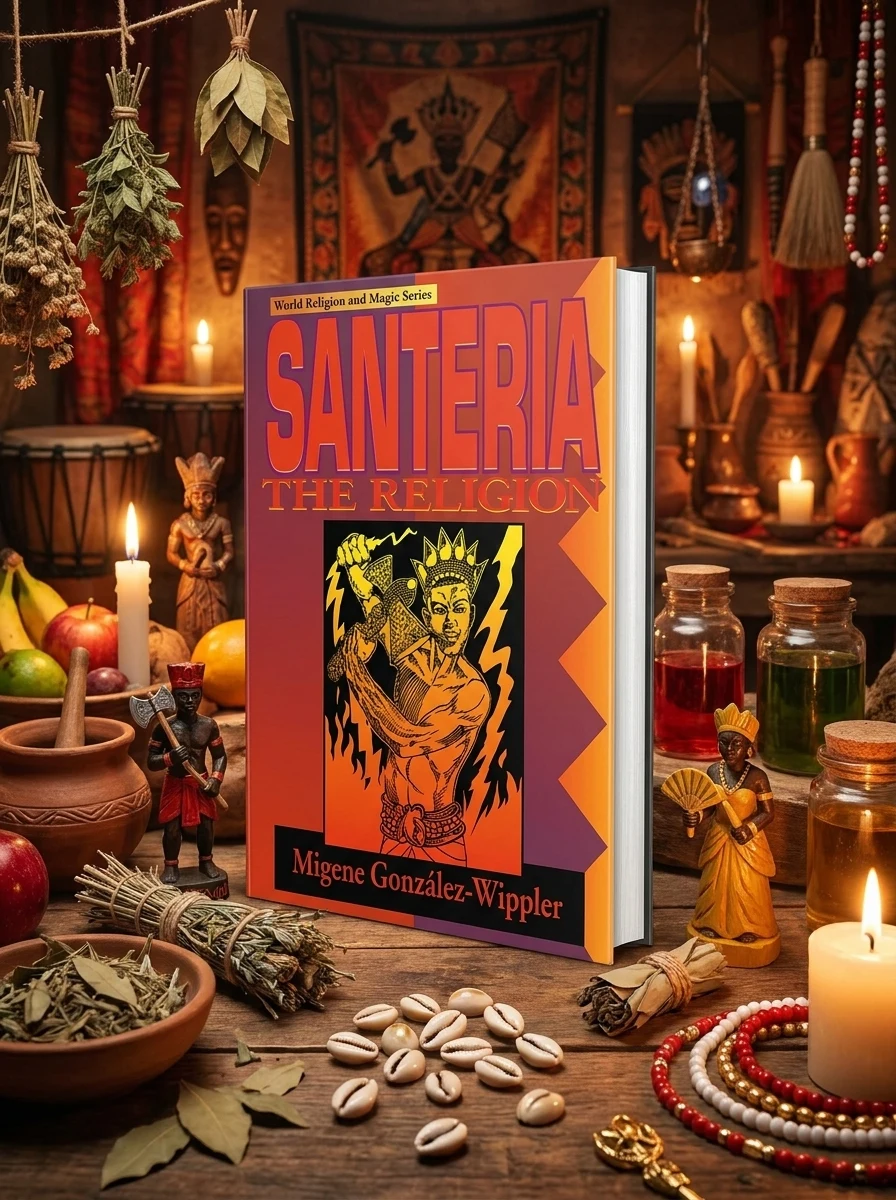
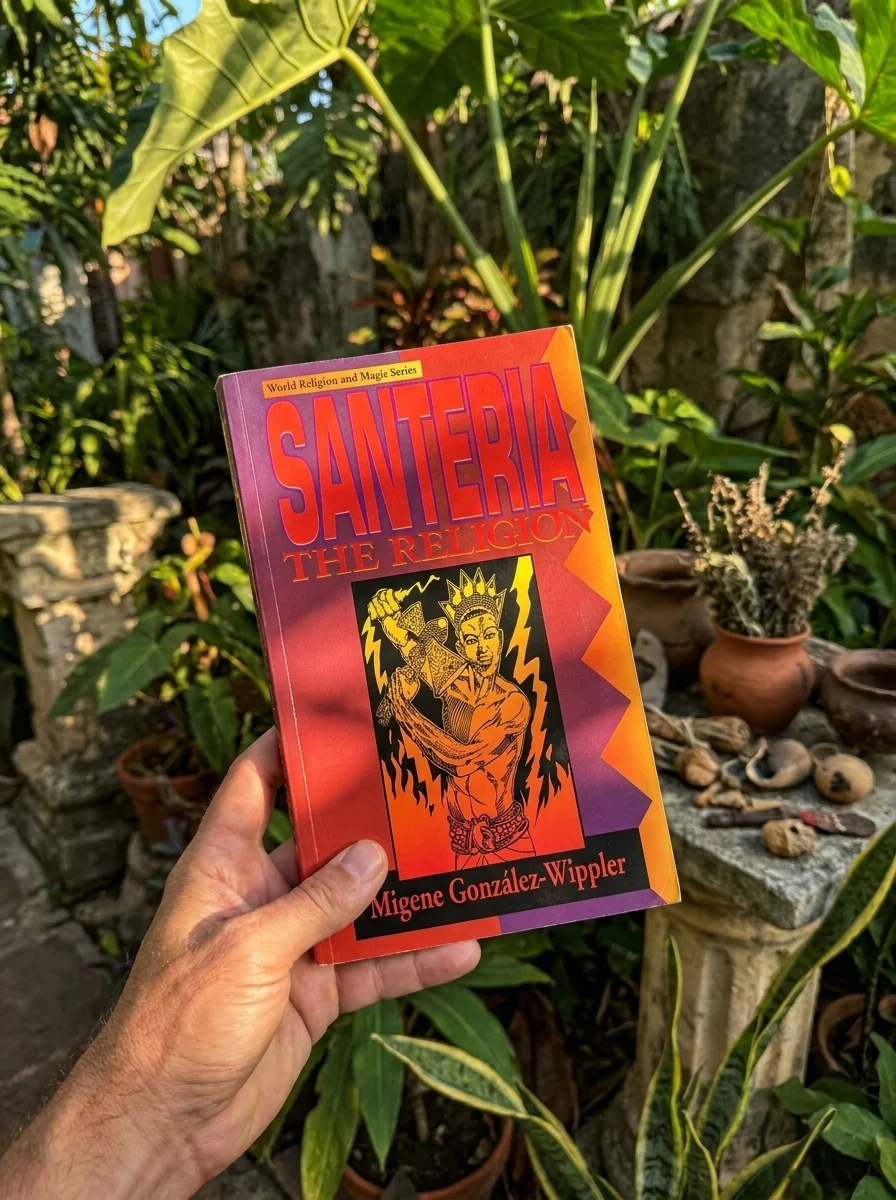
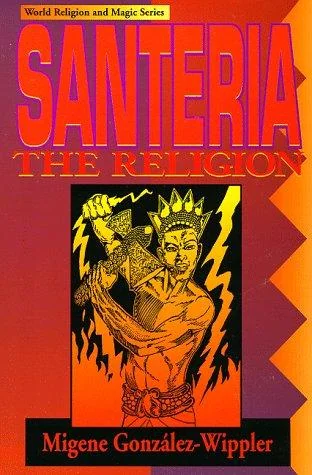
Santeria: The Religion: Faith, Rites, Magic González-Wippler, Migene
✍️ González-Wippler, MigeneDrawing on background as an editor for scientific institutions and the United Nations, Migene González-Wippler brings structural rigor to Santeria's practices. The text explains how African religious traditions migrated to the New World, preserving core rituals alongside practical applications. Readers encounter detailed explanations of herbal magic, sacred consultation using shells, and the duties performed by santeros within the community. Broad misconceptions surrounding controversial rites are analyzed alongside everyday spiritual remedies.


📝 Description: Santeria: The Religion: Faith, Rites, Magic González-Wippler, Migene
💎 Expert review
📖 Why choose it
Why this book is worth reading
This book is an essential resource for those seeking to understand Santería beyond sensationalized myths or superficial stereotypes. It serves readers who are genuinely curious about the vibrant, misunderstood world where ancient African spirits thrive in the modern age. By combining rigorous anthropological insight with the author’s personal experience as an initiate, it provides a nuanced view of the revered pantheon of Orishas and the intricate divination practices using diloggun shells. It is particularly valuable for those interested in herbal magic, known as ewe, and who wish to grasp the profound cultural context behind ceremonial aspects often viewed with misunderstanding. Ultimately, it offers clarity and respect for a tradition that has remarkably preserved its essence across centuries.
⭐ Reader reviews
Reader rating
González-Wippler delivers a comprehensive exploration of Santería’s core tenets, from the roles of Santero priests to the power of ritual animal sacrifice. While the text courageously addresses these often-misunderstood elements with necessary context, it may not suit readers seeking purely academic detachment or those uncomfortable with discussions of physical ritual practices. It is less suitable for beginners looking for simple prayer guides, as it demands engagement with complex spiritual mechanics. However, for those willing to look past sensationalism, this work stands as a vital bridge between rigorous anthropological insight and lived initiatory reality, offering an unparalleled journey into a tradition that remains both ancient and vibrantly alive.
❓ Frequently asked questions
📖 Who should read this
If you seek a profound understanding of Santería, beyond sensationalized narratives, this book is for you. It's essential reading for anyone interested in African diaspora religions, comparative spiritual traditions, or the enduring power of faith and magic in the modern world.
🎯 Key themes and symbolism
Enduring African Spirituality
This book meticulously details how a complex African spiritual system managed to retain its integrity and profound cultural significance despite forced migration and assimilation pressures in the New World. It highlights the resilience and adaptability of faith, demonstrating how ancient practices found new roots and flourished far from their origins.
Dual Perspective: Scholar & Initiate
González-Wippler uniquely bridges the academic and the experiential, offering a rare look at Santería from both an objective anthropological standpoint and the deep, personal understanding of an initiate. This dual lens provides a comprehensive and empathetic portrayal, dispelling misconceptions while honoring the faith's sacred mysteries.
Rituals, Divination & Herbal Lore
Delve into the practical applications of Santería, from the spiritual guidance offered by Orishas through diloggun shell divination, to the powerful healing and magical properties of ewe, or sacred herbs. The book unveils the intricate ceremonial life, including the controversial but spiritually significant practice of animal sacrifice.
📜 Historical context
📚 Glossary
- Orishas
- Santeros
- Diloggun
📔 Questions to reflect on
- How does the survival of Santería challenge or expand your understanding of religious resilience and adaptation?
- Considering the dual perspective of the author, how might combining scholarly rigor with personal experience enhance your own understanding of spiritual traditions?
- Reflect on how societies often misunderstand or misrepresent spiritual practices that differ from their own. What role does education play in fostering genuine interfaith understanding?