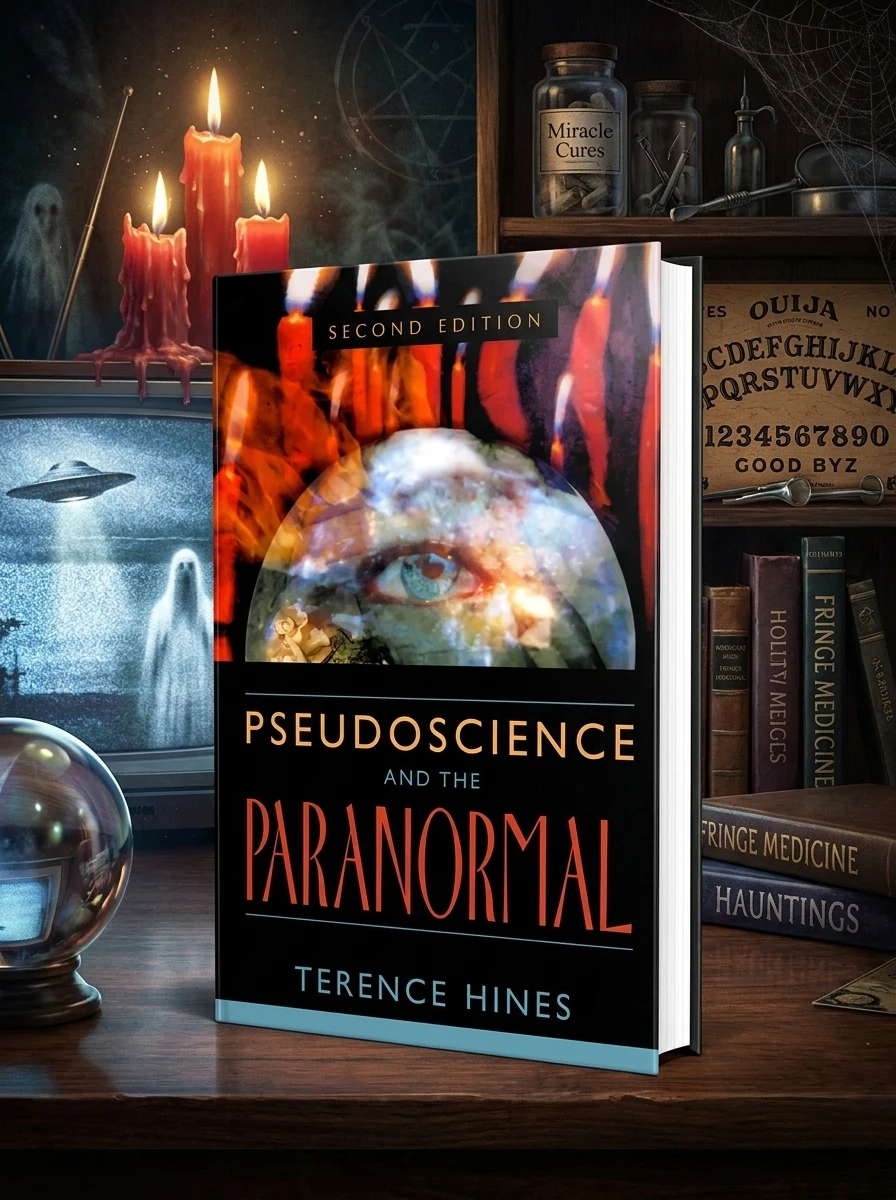
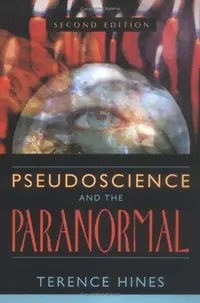
Pseudoscience and the Paranormal
Stock reported in the catalog; fulfillment is confirmed with your request.
Cut through the fog of modern myth with rigorous skepticism and scientific clarity.
Terence Hines dismantles the allure of the paranormal by applying strict psychological and scientific scrutiny to claims ranging from psychic phenomena and astrology to UFOs and faith healing. This revised edition expands its critique to include contemporary pseudopsychologies like recovered memory therapy and facilitated communication, alongside a deep dive into alternative medicine. Hines argues that entertainment media has blurred the line between fact and fantasy, leaving readers vulnerable to deception. By examining the lack of empirical evidence behind these popular beliefs, the book serves as an essential guide for distinguishing genuine inquiry from baseless superstition in our digitally saturated age.
This work sits firmly within the tradition of scientific skepticism and critical inquiry into paranormal claims. It addresses the contemporary challenge of distinguishing empirical fact from fantasy in an era saturated with digital misinformation and blurred media boundaries.


📝 Description: Pseudoscience and the Paranormal
💎 Expert review
📖 Why choose it
Why this book is worth reading
Readers who crave intellectual clarity amidst the noise of modern myth will find immense value in this text. It is ideal for skeptics, critical thinkers, and anyone weary of deception in an age where entertainment media obscures truth. Hines provides rigorous scrutiny that empowers readers to navigate claims regarding astrology, UFOs, and alternative medicine with confidence. By dismantling pseudopsychologies like recovered memory therapy, the book offers essential tools for discerning genuine inquiry from baseless superstition. It serves as a protective guide for those seeking scientific accuracy over comforting illusions, ensuring you remain grounded in empirical evidence rather than falling prey to the allure of the paranormal.
⭐ Reader reviews
Reader rating
My third book from this store and this one might be the best. Some chapters demand a slow, careful read, and that's exactly the point. Recommended with reservations.
A friend in my study group recommended this one. The print is clean and easy on the eyes for long sessions. My only quibble is the cover feels thinner than expected. Still worth having on the shelf.
Been hunting for a decent copy of this text for ages. The symbolism is layered and generous to patient readers. It pairs well with more modern commentaries on the same tradition. Still worth having on the shelf.
My book club chose this last month. I appreciated how the argument builds steadily from first principles. The typesetting is comfortable for study, with good margins for notes.
Added this to my reference shelf. Challenging in places, but never needlessly obscure. A keeper.
Added this to my reference shelf. You can tell why this work has endured. I'd have loved an index, but that's on the original text. Still worth having on the shelf.
Was skeptical at first. The typesetting is comfortable for study, with good margins for notes. You can tell why this work has endured. Will be gifting a copy to a friend.
Hines delivers a robust dismantling of paranormal allure through strict psychological and scientific scrutiny. The text excels in critiquing contemporary pseudopsychologies and alternative medicine, offering a necessary corrective to media-blurred realities. However, readers seeking spiritual validation, mystical experiences, or supportive arguments for faith healing will find this volume cold and dismissive. It is not a book for those who wish their beliefs affirmed but rather challenged. The tone is undeniably clinical, prioritizing empirical lack of evidence over emotional resonance. While essential for the skeptical mind, it may frustrate readers who prefer esoteric exploration over rigorous debunking of popular superstitions.
❓ Frequently asked questions
📖 Who should read this
Readers who feel overwhelmed by conflicting truth claims online, critical thinkers seeking to sharpen their analytical skills, and those tired of uncritical acceptance of mystical or supernatural explanations for complex human experiences.
🎯 Key themes and symbolism
Empirical Skepticism
Media Influence on Belief
Psychological Fallacies
💬 Quotes from the book
“The paranormal is so ubiquitous in entertainment that many people easily lose sight of the distinction between the real and the imaginary.”
“Hines teaches readers how to carefully evaluate all such claims in terms of scientific evidence.”
📜 Historical context
📚 Glossary
- Pseudopsychology
- Recovered Memory Therapy
- Facilitated Communication
📔 Questions to reflect on
- Identify a paranormal claim you once believed. What specific evidence has since challenged that belief?
- How does the emotional comfort of a supernatural explanation compare to the uncertainty of a scientific one?
- In what ways does modern media format reinforce binary thinking between 'real' and 'fake' phenomena?
🏛 Books from this publisher Prometheus Books
All books from this publisher →
 83
83
You might also like
See more → 91
91
 87
87

 82
82