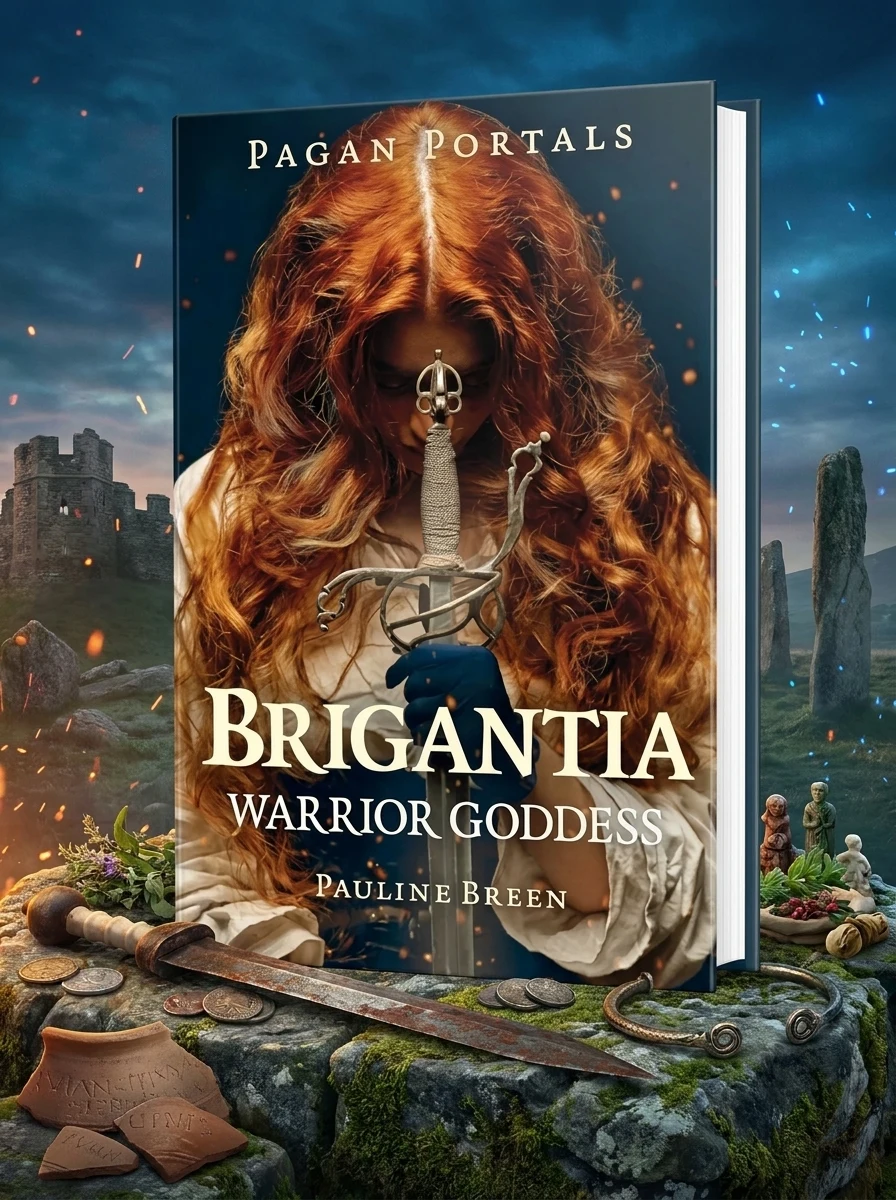

Pagan Portals - Brigantia
Breen, PaulineStock reported in the catalog; fulfillment is confirmed with your request.
Unearth the formidable warrior aspect of Brigid in Roman Britain.
This concise volume delves into the often-overlooked identity of Brigantia, a powerful goddess venerated in Northern Britain during the Roman occupation. Moving beyond broader interpretations of Brigid, the author meticulously reconstructs Brigantia's unique persona as a warrior and protector. Drawing upon Roman inscriptions, archaeological findings, and linguistic analysis, the book reveals how this indigenous deity maintained a distinct and potent presence, offering a compelling glimpse into Celtic spirituality and resistance against imperial influence. It uncovers a vibrant, regional goddess whose fierce spirit resonated deeply with both locals and, surprisingly, some Roman settlers.
This work explores the intersection of Celtic indigenous spirituality and Roman imperial history in Britain, focusing on regional goddess worship. It bridges archaeological evidence with modern occult practice to reclaim specific aspects of pagan heritage.


📝 Description: Pagan Portals - Brigantia
💎 Expert review
📖 Why choose it
Why this book is worth reading
Readers deeply invested in the warrior aspect of the Morrigan or Brigid will find this volume particularly illuminating. It serves those who seek to move beyond generic pagan narratives to understand specific, localized deities and their historical resilience. If you are a practitioner of Wicca or witchcraft looking to connect with the fierce, protective energy of Northern British spirituality, this book offers a vital resource. It appeals to historians and occultists alike who value rigorous reconstruction of indigenous belief systems against imperial erasure. The text provides a unique window into how local goddesses maintained potency despite Roman occupation, making it essential for anyone wishing to ground their magical practice in authentic, regionally specific Celtic history rather than broad generalizations.
⭐ Reader reviews
Reader rating
Breen’s concise volume offers a refreshing focus on Brigantia’s warrior persona, distinct from the more common healing interpretations of Brigid. It is an excellent resource for those interested in archaeological and linguistic analysis of Roman-era Celtic resistance. However, readers seeking extensive mythological narratives or step-by-step ritual instructions may find it too academic. It does not suit those looking for contemporary spellwork or broad overviews of general Celtic mythology. This title is best appreciated by scholars and serious practitioners who value historical accuracy and the specific context of Northern British spirituality over mystical romance.
❓ Frequently asked questions
📖 Who should read this
If you're drawn to the less-explored facets of Celtic spirituality, or seek a deeper understanding of indigenous resistance during Roman rule, this investigation into Brigantia’s powerful legacy will illuminate your path. It's perfect for anyone interested in goddess worship, ancient history, and the intersection of culture and conflict.
🎯 Key themes and symbolism
Northern Goddess Identity
This book explores how the deity known as Brigantia emerged in Northern Britain, presenting a distinct warrior aspect often overlooked in broader discussions of Brigid. It delves into her unique role as a protector and formidable presence during a tumultuous historical period, highlighting her sovereignty and connection to the land in a specific regional context.
Roman-Celtic Interaction
The text examines the profound impact of Roman occupation on local deities, specifically how inscriptions and archaeological findings from Roman Britain shed light on Brigantia's worship. This section illuminates the cultural synthesis, adaptation, and subtle forms of resistance evident in her veneration, showcasing the dynamic interplay between two powerful cultures.
Unveiling Through Evidence
The author discusses the methodologies employed, including linguistic analysis and interpretation of Roman historical records, to reconstruct Brigantia's persona. It highlights how these diverse, often fragmented, sources allow us to understand her unique attributes and significance for both the indigenous Celtic peoples and, intriguingly, the Roman invaders who encountered her.
💬 Quotes from the book
“Beyond the hearth and healing, Brigantia stood as a bulwark against encroaching empires, her name whispered by those who sought protection and vengeance alike.”
“The silent stones of Roman fortresses sometimes speak loudest, revealing the indigenous deities who refused to be forgotten, even as new gods arrived with the legions.”
📜 Historical context
📚 Glossary
- Brigantia
- Roman Inscriptions
- Celtic Spirituality
📔 Questions to reflect on
- Consider how the presence of an occupying force might transform the perceived role and attributes of a local deity. How might Brigantia's warrior aspect have strengthened during Roman rule?
- Reflect on the power of linguistic and epigraphic evidence in reconstructing ancient spiritual practices. What challenges and insights do these fragmented sources offer to our understanding of the past?
- How does understanding Brigantia's Northern British identity deepen or alter your perspective on the broader figure of Brigid within Celtic traditions? Are there other regional deities you find compelling?
✍️ More books by this author Breen, Pauline
All books by this author →
🏛 Books from this publisher Moon Books
All books from this publisher →
 81
81
 89
89
You might also like
See more →
 91
91
 91
91