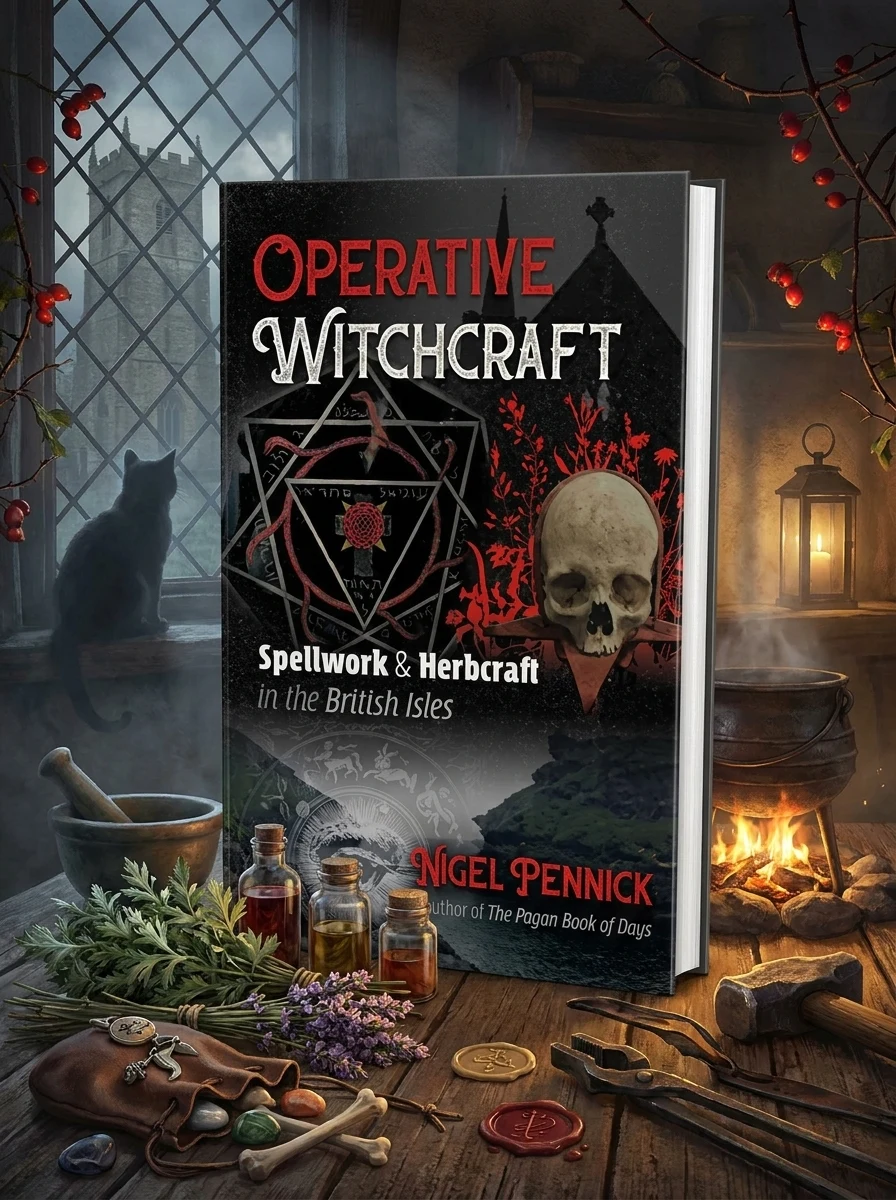
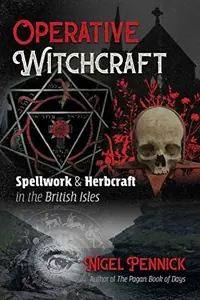
Operative Witchcraft: Spellwork and Herbcraft in the British Isles
Pennick, Nigel

This edition can be ordered. No arrival date is confirmed.
Unearth the ancient, earthy magic woven into the very fabric of the British Isles.
Delve into the rich, practical traditions of British operative witchcraft, guided by Nigel Pennick's extensive knowledge. This volume illuminates the historical lineage of English folk magic, from medieval times through its decriminalization in the 1950s. Discover the unique applications of magic by rural artisans—blacksmiths, herbalists, and others—alongside profound insights into animal familiars, fetches, and elemental spellcraft. Explore traditional charms, herbal remedies, protective amulets, and sigils, understanding how these practices navigated societal perceptions and religious strictures throughout centuries of change.
This text anchors itself within the rich tapestry of British operative witchcraft and folk magic traditions, tracing their evolution from medieval origins through to the mid-20th century. It serves as a vital bridge between historical esoteric practices and contemporary English-language occult study.


📝 Description: Operative Witchcraft: Spellwork and Herbcraft in the British Isles
💎 Expert review
📖 Why choose it
Why this book is worth reading
Readers deeply invested in the historical roots of Western esotericism will find this volume an indispensable resource. It is particularly suited for practitioners seeking to understand the practical, earthy magic of rural artisans and folk healers rather than just theoretical frameworks. Those interested in the specific cultural nuances of the British Isles, including the roles of blacksmiths and herbalists, will appreciate the detailed exploration of how these traditions navigated societal changes. This book offers a grounded perspective on protective amulets, charms, and elemental spellcraft, providing context for modern practitioners who wish to connect their work with its authentic, decriminalized historical lineage.
⭐ Reader reviews
Reader rating
Pennick delivers a comprehensive guide that bridges history and practice, offering valuable insights into the daily magical lives of British folk. The strength lies in its specific focus on rural artisans and the societal context of witchcraft's decriminalization. However, readers seeking purely modern Wiccan ritual structures or highly speculative fantasy elements may find it too academic or historically dense. It is not suited for those who prefer abstract theory over practical herbcraft and sigil application. The text demands a willingness to engage with historical strictures and religious contexts that shaped these ancient practices.
❓ Frequently asked questions
📖 Who should read this
If you seek a deeper understanding of the practical, earthy magic rooted in the British Isles, or wish to explore the historical evolution of witchcraft beyond sensationalized narratives, this book is for you. It offers valuable insights for both seasoned practitioners and curious newcomers.
🎯 Key themes and symbolism
Artisanal Folk Magic
This work unveils how magic was deeply integrated into the daily lives and trades of rural English craftspeople. From blacksmiths to herbalists, discover how these practitioners employed specific spells, charms, and sigils not only to hone their skills but also to influence outcomes and exert power within their communities, connecting practical labor with mystical intent.
Familiars and Fetches
Pennick expertly explores the fascinating realm of witch's familiars and fetches—spiritual companions often manifesting as animals. The book delves into their roles in magical practice, from aiding in spellwork and divination to acting as conduits for power. Understand the profound connection between these entities and the practitioner in British folk traditions.
Witchcraft's Social Landscape
Trace the complex journey of witchcraft through English history, examining its shifting public perception from the Middle Ages to the mid-20th century. The book meticulously details the impact of anti-witchcraft laws, the contentious interplay with the Christian church, and how practitioners adapted their craft within an often-hostile social and legal environment.
💬 Quotes from the book
“The true craft often lay not in grand ritual, but in the subtle shaping of elements, the whispered charm over a working tool, or the knowing touch upon a healing herb.”
“Despite centuries of suppression and shifting societal fears, the threads of operative witchcraft persisted, adapting and enduring in the quiet corners of the British countryside.”
📜 Historical context
📚 Glossary
- Familiar
- Fetch
- Operative Witchcraft
📔 Questions to reflect on
- How might the integration of magic into a mundane trade, as practiced by historical artisans, inform your own approach to craft or daily work?
- Reflect on the shifting public perception of witchcraft throughout history. How do these historical attitudes compare to contemporary views, and what does this reveal about societal fears?
- If you were to cultivate a relationship with a familiar or fetch, what form might it take, and what role would it play in your personal practice?
✍️ More books by this author Pennick, Nigel
All books by this author →

🏛 Books from this publisher Destiny Books
All books from this publisher →

You might also like
See more →