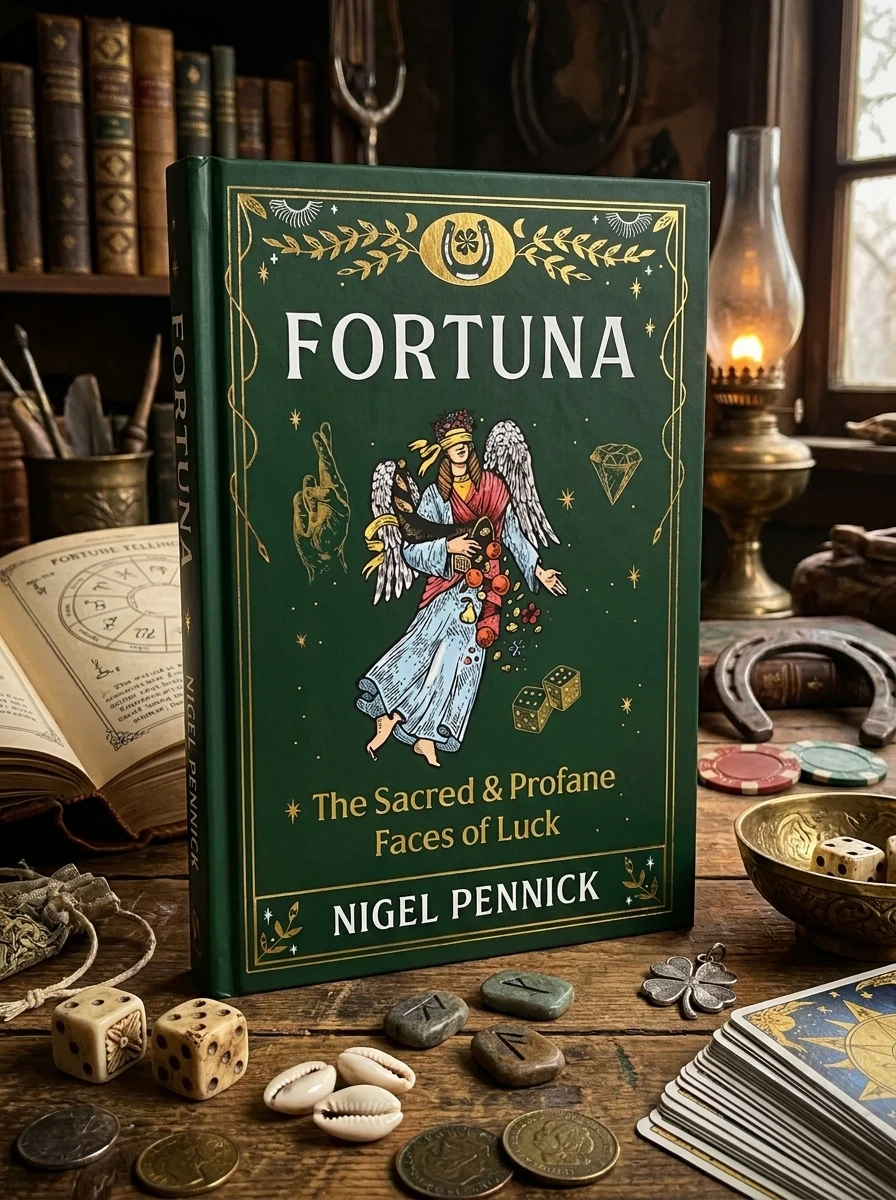
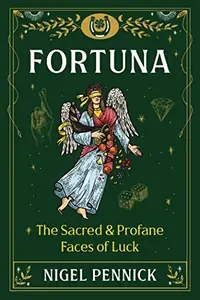
Fortuna: The Sacred and Profane Faces of Luck
Pennick, Nigel

This edition can be ordered. No arrival date is confirmed.
Unravel the enigmatic dance between destiny and chance, from sacred portents to the roll of the dice.
Nigel Pennick embarks on a fascinating journey, charting the evolution of human interaction with fortune and fate. From ancient civilizations' sacred divination practices, where objects like dice, bones, and shells were conduits for divine will, to the emergence of modern gambling and its associated superstitions, this book offers a comprehensive exploration. It meticulously details the techniques and interpretations of various oracular methods, including those found in medieval grimoires, before examining how these profound spiritual tools transformed into instruments of entertainment and games of chance, giving rise to the modern concept of "luck."
This work situates itself within the rich tapestry of Western esotericism and the history of divination, bridging ancient sacred practices with modern secular concepts of chance.


📝 Description: Fortuna: The Sacred and Profane Faces of Luck
💎 Expert review
📖 Why choose it
Why this book is worth reading
Readers fascinated by the intersection of spirituality and probability will find this book indispensable. It offers a deep dive into how humanity has historically negotiated with fate, transforming sacred tools like bones and shells into mere instruments of entertainment. Those interested in the cultural evolution of luck, from divine portents to modern superstitions, will appreciate Pennick’s comprehensive approach. It is ideal for anyone seeking to understand the profound shifts in human interaction with fortune, providing context for both ancient divination techniques and contemporary games of chance without losing sight of their spiritual roots.
⭐ Reader reviews
Reader rating
Pennick delivers a meticulous charting of fortune's evolution, from sacred divination to modern gambling. While valuable for historians of esotericism, this book may not suit readers seeking practical divinatory instruction or those uninterested in historical anthropology. It is less about casting spells and more about analyzing the cultural mechanics of chance. The text excels in detailing oracular methods but assumes a reader comfortable with dense historical analysis. Those looking for quick tips on luck or purely mystical experiences might find the academic tone dry, yet it remains an essential resource for understanding the profound spiritual-to-secular transition of fortune.
❓ Frequently asked questions
📖 Who should read this
If you're drawn to the esoteric history of chance, the forgotten sacred uses of everyday objects, or the cultural anthropology of human belief in fate, this book is an essential journey for your library. It offers profound insights for anyone curious about the roots of our superstitions.
🎯 Key themes and symbolism
Evolution of Fortune
This work meticulously traces how human understanding of fortune has shifted from divine decree, often mediated by deities like the Roman Fortuna, to a more secular concept of chance and personal luck. It highlights the cultural and religious factors that shaped these evolving perspectives across different eras, revealing a profound transformation in humanity's relationship with the unknown.
Sacred Divinatory Tools
Pennick delves into the rich history of various objects used for prophecy and divine communication. Readers will discover the original sacred significance of items such as dice, cowrie shells, bones, coins, and cards, learning about the specific methods and symbolic meanings associated with their use in ancient and medieval oracular traditions, long before they became commonplace in games.
From Oracle to Gambling
The book brilliantly illustrates the transition where revered tools of divination gradually shed their sacred aura, becoming instruments for gaming and wagering. It examines this fascinating cultural metamorphosis, exploring how the human desire to influence fate persisted, manifesting in the creation of specialized 'lucky charms' and the shift from seeking divine guidance to purely recreational or speculative pursuits.
💬 Quotes from the book
“Before dice clattered across gaming tables, they were sacred bones, cast by priests to discern the will of the gods, their patterns speaking a divine language to those initiated in its mysteries.”
“The transition from sacred oracle to mere game of chance didn't diminish humanity's craving for favor; it merely transformed sacred talismans into 'lucky charms' for a new, often profane, pursuit.”
📜 Historical context
📚 Glossary
- Fortuna
- Divination
- Grimoire
📔 Questions to reflect on
- Reflect on a personal experience where you felt 'lucky' or 'unlucky.' How might ancient beliefs, as described in the book, interpret this event differently than modern perspectives?
- Consider an everyday object you use (e.g., coins, cards). How might its sacred origins have been forgotten or transformed over time, according to the book's themes?
- In what ways does modern society still engage with concepts of fate, chance, and destiny, even if not through formal divination? Think about superstitions, astrology, or risk assessment.
✍️ More books by this author Pennick, Nigel
All books by this author →

🏛 Books from this publisher Destiny Books
All books from this publisher →


You might also like
See more →