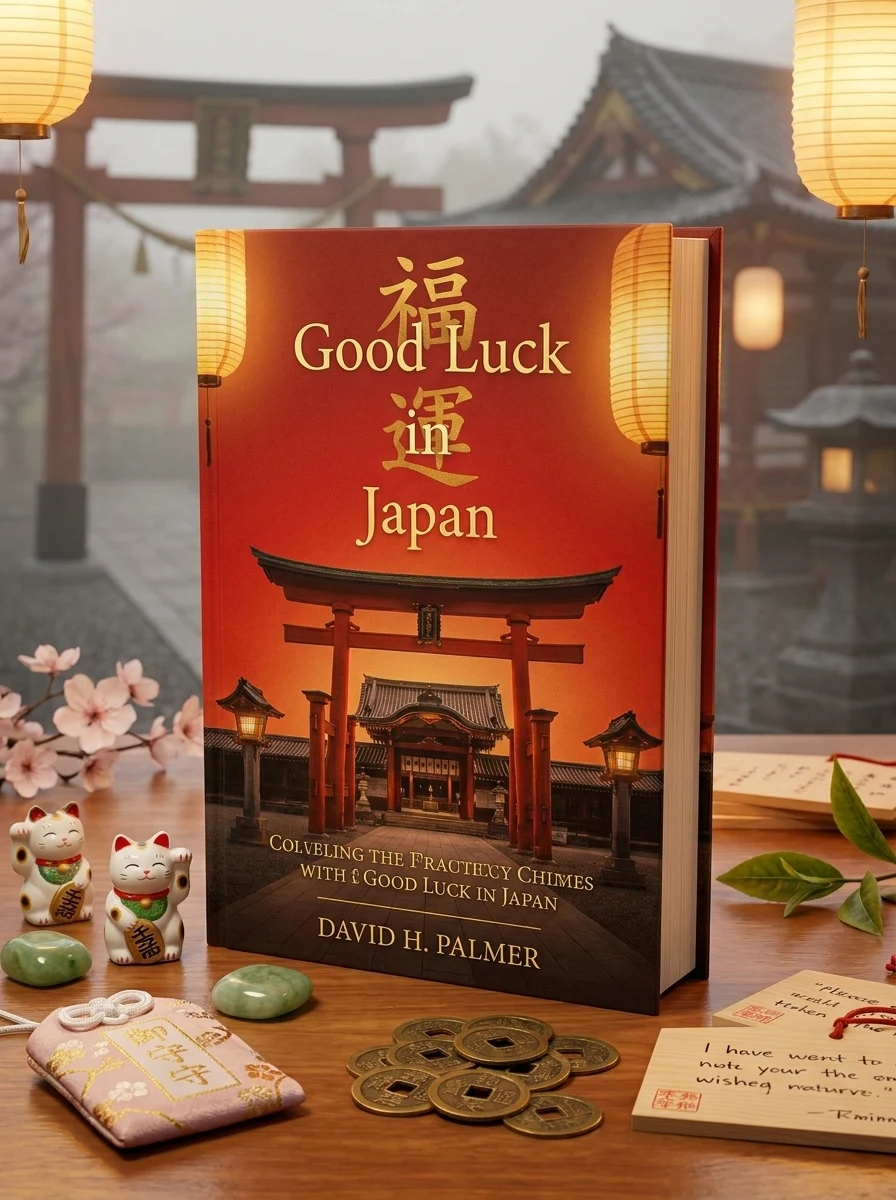


Maneki Neko: The Japanese Secret to Good Luck and Happiness
Stock reported in the catalog; fulfillment is confirmed with your request.
Uncover Japan's ancient secrets for cultivating genuine good fortune and lasting happiness.
Step beyond superficial notions of chance with this insightful exploration into the Japanese philosophy of luck. Nobuo Suzuki illuminates how a nation renowned for diligence also deeply embraces symbolic rituals and positive intention. Discover how iconic figures like the Maneki Neko and Daruma, far from being mere superstitions, serve as potent catalysts for shaping destiny, fostering community, and encouraging a resilient mindset. This book provides both cultural context and practical exercises to integrate these powerful principles into your own life, guiding you toward a more intentional and prosperous existence.
This work sits firmly within the realm of Japanese folk magic and esoteric philosophy, exploring how traditional rituals serve as catalysts for shaping destiny rather than mere superstition. It bridges ancient cultural practices with modern psychological frameworks for resilience and community bonding.


📝 Description: Maneki Neko: The Japanese Secret to Good Luck and Happiness
💎 Expert review
📖 Why choose it
Why this book is worth reading
Readers seeking to transcend superficial notions of chance will find profound value in this insightful exploration of Japanese luck philosophy. It is ideal for those who wish to integrate positive intention and symbolic rituals into their daily routines, moving beyond mere superstition toward a resilient mindset. Individuals interested in how iconic figures like the Maneki Neko and Daruma function as potent tools for fostering community and shaping destiny will appreciate the practical exercises provided. This book offers a unique pathway to a more intentional and prosperous existence by illuminating how diligence and positive energy intertwine in Japanese culture, making it perfect for anyone desiring genuine fortune and lasting happiness through actionable, culturally rich methods.
⭐ Reader reviews
Reader rating
This title offers a refreshing departure from generic self-help tropes by grounding its advice in specific Japanese cultural context. Suzuki effectively demystifies the Maneki Neko and Daruma, presenting them as serious philosophical tools rather than tourist curiosities. However, readers expecting dense academic anthropological analysis or historical rigor may find the approach too accessible and practical for their tastes. It is strictly a guide for application, not scholarly critique. Those who prefer rigorous textual criticism over lifestyle integration might feel the content lacks necessary critical distance. Nevertheless, for those open to blending cultural appreciation with personal development, it provides a coherent, warm, and highly usable framework for understanding how symbolic acts can genuinely influence one's psychological landscape and daily fortune.
❓ Frequently asked questions
📖 Who should read this
If you're seeking more than superficial luck, but a deeper understanding of how intention, cultural wisdom, and practical steps can shape your reality, this book offers a unique path. Ideal for those interested in cultural studies, self-improvement, or esoteric practices grounded in Eastern philosophy.
🎯 Key themes and symbolism
Cultivating Inner Fortune
The book meticulously unpacks the Japanese understanding of 'luck,' revealing it not as a random event, but a synergy of disciplined effort, positive attitude, and symbolic reinforcement. It shows how these elements combine to create a proactive approach to navigating life's challenges and attracting desired outcomes, emphasizing personal agency in shaping one's destiny.
Emblematic Powers Unveiled
Suzuki delves deep into the rich tapestry of Japanese lucky symbols, from the iconic Maneki Neko to the resolute Daruma and the benevolent Seven Lucky Gods. Each figure is presented as more than just an ornament; they are explained as conduits for focus, intention, and collective belief, acting as powerful reminders and anchors for personal aspirations.
Community & Cohesion
Beyond individual benefit, this work highlights how shared symbols of good fortune play a crucial role in fostering community spirit and collective well-being in Japan. It explores how these traditions create a sense of belonging and mutual encouragement, demonstrating the social dimension of luck and its contribution to a harmonious society.
💬 Quotes from the book
“True luck isn't found; it's cultivated, a fertile garden tended with both diligent effort and unwavering belief in the unseen currents of prosperity.”
“A simple beckoning paw, a determined gaze, or even a whimsical golden form—these are not mere trinkets, but potent vessels for intention, silently shaping our expectations and outcomes.”
📜 Historical context
📚 Glossary
- Maneki Neko
- Daruma
- Shichi-fuku-jin
📔 Questions to reflect on
- How do you personally define "good luck," and how might this book challenge or expand that definition?
- Identify a personal goal. Which Japanese symbol discussed in the book might best represent your journey, and why?
- Reflect on a community you belong to. What shared symbols or rituals foster a sense of collective well-being and positive expectation within that group?
🏛 Books from this publisher Tuttle Publishing
All books from this publisher →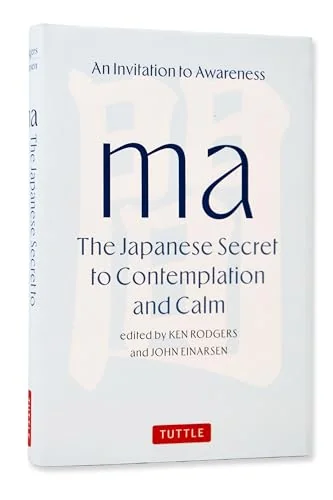




![The Steampunk Tarot: Wisdom from the Gods of the Machine [With Cards]](/img/the-steampunk-tarot-wisdom-from-the-gods-of-the-machine-with-cards.webp)
You might also like
See more →



 91
91