US shipping Secure card payment Occult and esoteric books

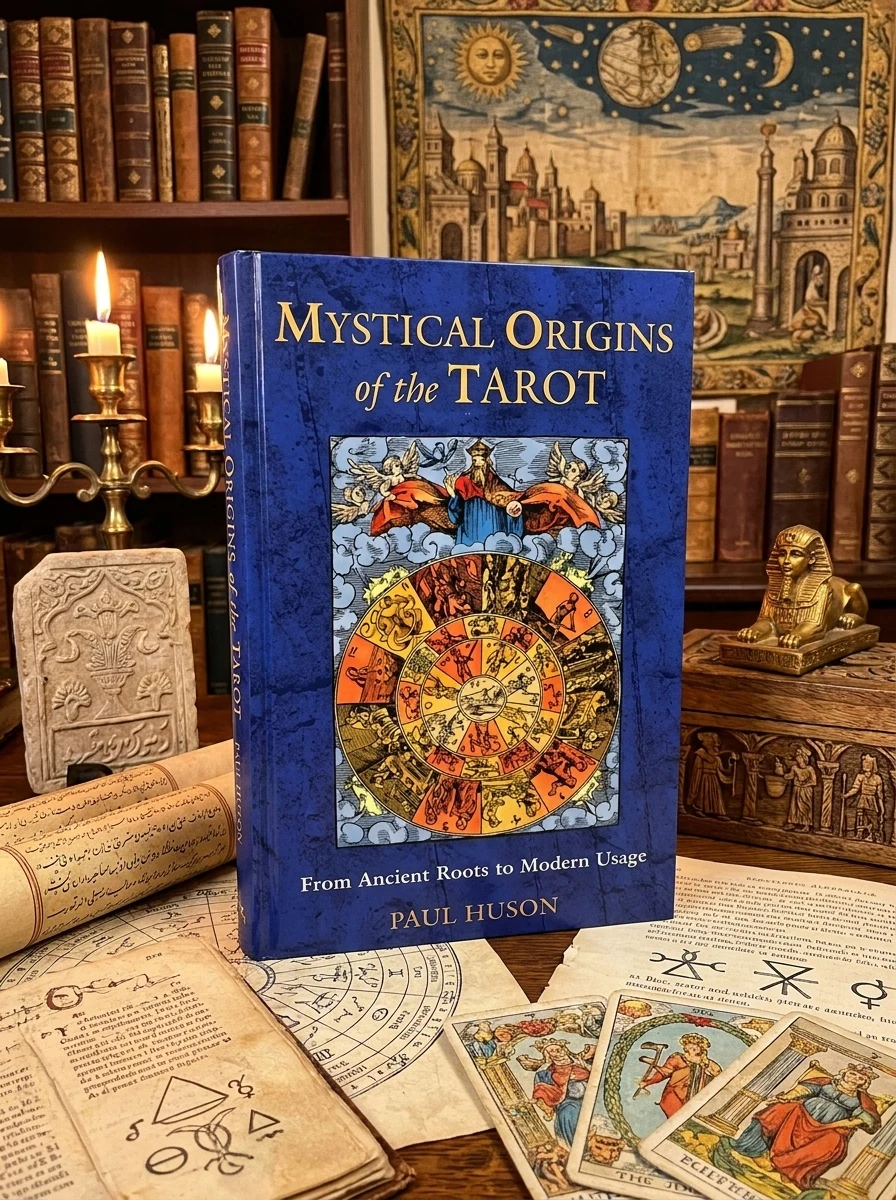
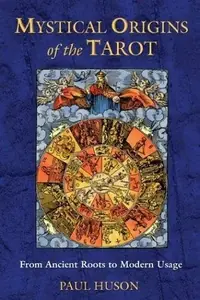
Mystical Origins of the Tarot: From Ancient Roots to Modern Usage (Original)

Huson, Paul
Reader rating
4.5
(2 reviews) 28 sold
In stock

Stock reported in the catalog; fulfillment is confirmed with your request.

📚 ABOUT THE BOOK

Trace the Persian and medieval roots of Tarot symbols beyond mainstream scholarly skepticism.

Paul Huson challenges the conventional wisdom that Tarot divination is a modern invention by meticulously tracing each card’s lineage. He connects the Minor Arcana to ancient Persian traditions and the Major Arcana to medieval mystery and morality plays. The text argues that symbolic meanings were active during the fifteenth century, supported by authentic eighteenth and nineteenth-century spreads. This richly illustrated volume offers a compelling alternative narrative for those seeking deeper historical continuity in their practice.

Key themes
Persian origins medieval symbolism historical divination
Historical context

This work situates itself within the esoteric revival tradition, challenging mainstream academic consensus by asserting historical continuity for Tarot divination. It bridges ancient Persian and medieval mystery play traditions with modern occult practice.


Difficulty
●● Moderate
Fans will love it
Arthur Edward Waite · Aleister Crowley · Eliphas Levi · The Golden Dawn
🃏 Tarot & Divination
🏛 Destiny Books 📖 352 pages 📔 Paperback 📐 Paperback ISBN: 9780892811908
Fun fact
Huson delivers a visually rich, argumentative history that successfully bridges Persian symbolism and medieval theater with Tarot imagery. It excels at challenging the rigid academic timeline, offering a compelling alternative for practitioners. However, it may disappoint strict historians or those devoted to the French occult tradition. It remains a vital, provocative text in the canon of alternative esoteric history.
📚 This book appears in Esoterica Books

📝 Description: Mystical Origins of the Tarot: From Ancient Roots to Modern Usage (Original)

A profusely illustrated history of the occult nature of the tarot from its origins in ancient Persia - Thoroughly examines the original historical source for each tarot card and how the cards' divinatory meanings evolved from these symbols - Provides authentic 18th- and 19th-century spreads and divination techniques - Reveals the divinatory meanings of the cards as understood by diviners in the Middle Ages and Renaissance The origins of the tarot have been lost in the mists of time. Most scholars have guessed that its origins were in China, Egypt, or India. In Mystical Origins of the Tarot, Paul Huson has expertly tracked each symbol of the Minor Arcana to roots in ancient Persia and the Major Arcana Trump card images to the medieval world of mystery, miracle, and morality plays. A number of tarot historians have questioned the use of the tarot as a divination tool prior to the 18th century. But the author demonstrates that the symbolic meanings of the Major Arcana were evident from the time they were first employed in the mid-15th century in the popular divination practice of sortilege. He also reveals how the identities of the court cards in the Minor Arcana were derived from a blend of pagan and medieval sources that strongly influenced their interpretation in tarot divination. Mystical Origins of the Tarot provides a thorough examination of the original historical source for each card and how the cards' divinatory meanings evolved from these symbols. Huson also provides concise and practical card-reading methods designed by the cartomancers of the 18th and 19th centuries and reveals the origins of the card interpretations promoted by the Hermetic Order of the Golden Dawn and A. E. Waite.

💎 Expert review

💎
Esoterica Books editorial team
Occult literature desk
Huson presents a meticulous argument for the ancient roots of Tarot, linking symbols to Persian and medieval contexts. While richly illustrated and logically structured for believers in esoteric continuity, this text may frustrate readers who prefer strict academic historiography or those who view Tarot solely as a modern psychological tool. It does not suit skeptics of occult history or those seeking only contemporary divinatory techniques without historical baggage. However, for the dedicated esotericist, it offers a vital corrective to conventional wisdom.
✓ EDITOR'S REVIEW

📖 Why choose it

📖

Why this book is worth reading

Readers seeking a robust historical foundation for their Tarot practice will find this volume indispensable. Huson offers a compelling alternative narrative that connects the Minor Arcana to ancient Persian traditions and the Major Arcana to medieval morality plays. This richly illustrated guide supports those who feel mainstream scholarship lacks depth, providing authentic spreads from the eighteenth and nineteenth centuries. It is ideal for practitioners who desire deeper symbolic continuity and wish to trace their cards' lineage beyond skeptical modern theories.

⭐ Reader reviews

The starting rating comes from the team Esoterica Books —
⭐ Esoterica editorial review Editorial rating 4.6/5
★★★★
Readers seeking to ground their divination practice in pre-modern history rather than French occultism. Ideal for skeptics of the Golden Age theory who desire visual evidence of earlier symbolic evolutions.

Reader rating

4.5
Based on 2 reviews
5
0
4
2
3
0
2
0
1
0
F
Francis L. ✓ Verified purchase
October 24, 2024
Almost perfect

Perfect companion for my morning study sessions. Some chapters demand a slow, careful read, and that's exactly the point. The ideas are old but land with surprising force today. A few pages arrived with light corner wear, though nothing serious. Happy enough with the purchase.

E
Esoterica Books editorial team

Huson presents a meticulous argument for the ancient roots of Tarot, linking symbols to Persian and medieval contexts. While richly illustrated and logically structured for believers in esoteric continuity, this text may frustrate readers who prefer strict academic historiography or those who view Tarot solely as a modern psychological tool. It does not suit skeptics of occult history or those seeking only contemporary divinatory techniques without historical baggage. However, for the dedicated esotericist, it offers a vital corrective to conventional wisdom.

❓ Frequently asked questions

No, it explicitly argues against Egyptian or Chinese origins, focusing instead on Persian and medieval European roots.
Yes, it includes verified spreads and techniques from the eighteenth and nineteenth centuries to demonstrate historical usage.

📖 Who should read this

Readers seeking to ground their divination practice in pre-modern history rather than French occultism. Ideal for skeptics of the Golden Age theory who desire visual evidence of earlier symbolic evolutions.

🎯 Key themes and symbolism

Persian origins

medieval symbolism

historical divination

💬 Quotes from the book

“The origins of the tarot have been lost in the mists of time.”

“Symbolic meanings were evident from the time they were first employed in the mid-15th century.”

📜 Historical context

Emerging during a period of intense debate over Tarot antiquity, Huson’s work stands as a counter-narrative to those who deny pre-eighteenth-century divinatory use. By linking cards to Persian and medieval theatrical traditions, it bridges the gap between Renaissance playing cards and later esoteric systems, influencing modern alternative history perspectives.

📚 Glossary

Sortilege
Minor Arcana
Major Arcana

📔 Questions to reflect on

  1. How does knowing the Persian roots of the Minor Arcana change your interpretation of the suits?
  2. Which Major Arcana card feels most connected to medieval morality plays in your intuition?
  3. Why do you think the historical link between Tarot and divination was questioned by later scholars?

🏛 Books from this publisher Destiny Books

All books from this publisher →
You might also like

See more →