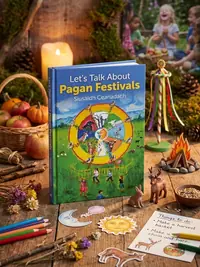
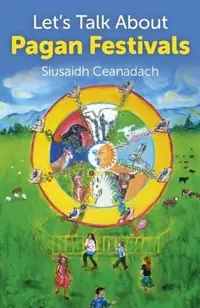
Let's Talk About Pagan Festivals
Ceanadach, SiusaidhStock reported in the catalog; fulfillment is confirmed with your request.
Unlock ancient wisdom for young hearts, guiding them through nature's sacred dance.
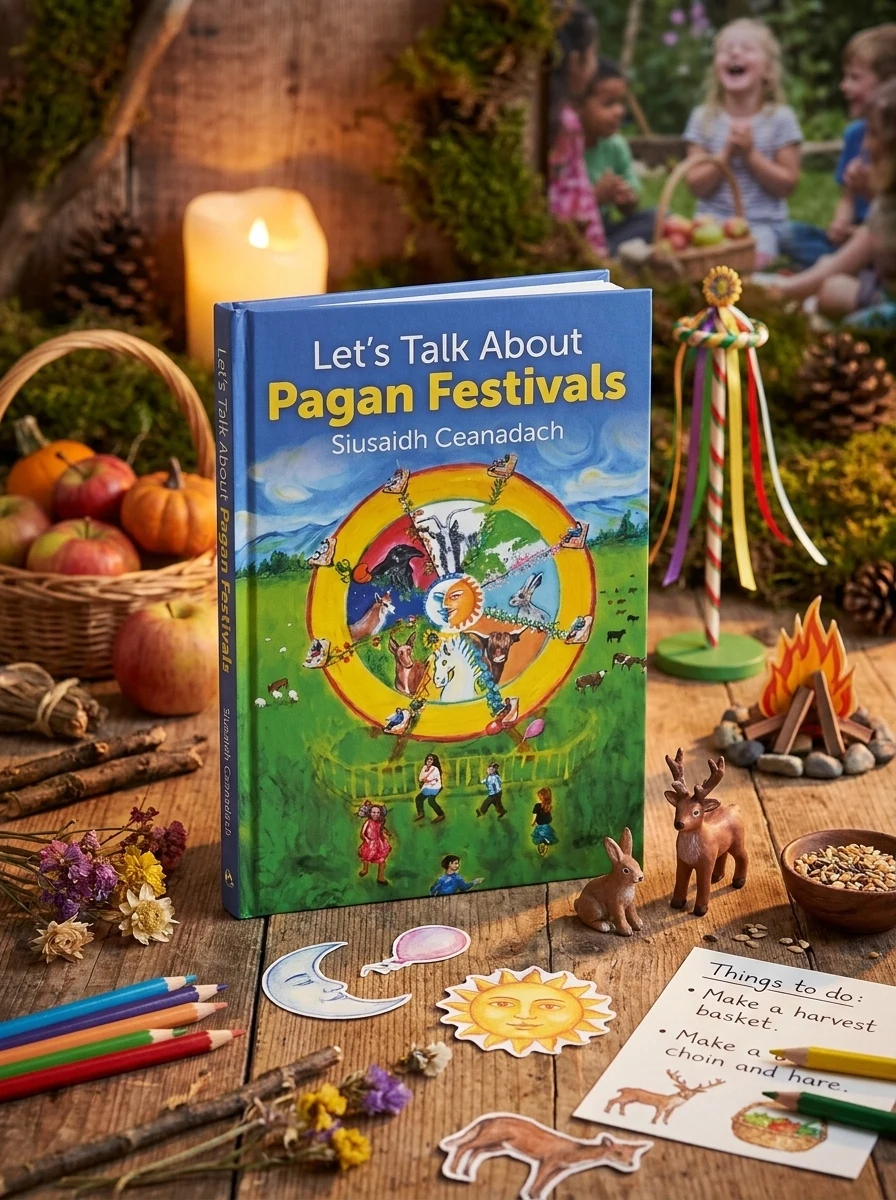
Siusaidh Ceanadach's 'Let's Talk About Pagan Festivals' offers a gentle, engaging introduction to the Wheel of the Year for young pagans and curious minds aged four to eight. Through nine thoughtfully crafted chapters, each dedicated to a major festival or the Moon, children discover captivating stories, hands-on activities, and simple, age-appropriate prayers. This resource also includes helpful notes for parents, guardians, and educators, fostering a shared journey into nature-based spirituality and seasonal celebrations, making esoteric concepts accessible to the youngest seekers.
This work situates itself within the contemporary Wiccan and Pagan tradition, specifically targeting the modern revival of nature-based spirituality for families. It aligns with the broader esoteric movement that seeks to make ancient seasonal cycles accessible to new generations through gentle, educational frameworks.


📝 Description: Let's Talk About Pagan Festivals
💎 Expert review
📖 Why choose it
Why this book is worth reading
Families seeking to instill a deep connection to nature and seasonal cycles in their youngest members will find this book invaluable. It serves as a perfect gateway for children aged four to eight, transforming complex esoteric concepts into engaging stories and simple prayers. Parents and educators benefit from the included guidance notes, which facilitate shared spiritual journeys. By focusing on hands-on activities and captivating narratives, it nurtures curiosity and reverence in young hearts without overwhelming them, making it an essential tool for introducing the Wheel of Year in a warm, accessible manner.
⭐ Reader reviews
Reader rating
While charming for its target demographic, this volume is strictly limited to early childhood education and will not suit adult practitioners seeking deep theological analysis or complex ritual instruction. Readers looking for dense historical texts or advanced magical theory will find the content too simplistic. However, for those specifically aiming to introduce Pagan festivals to young children through gentle storytelling and basic activities, it succeeds well. The inclusion of notes for caregivers adds practical value, though its narrow age range means it has little utility beyond initial spiritual启蒙 for toddlers and preschoolers.
❓ Frequently asked questions
📖 Who should read this
If you're a parent, guardian, or educator seeking a sensitive, age-appropriate resource to introduce children aged four to eight to Pagan festivals and nature-based spirituality, this book is for you. It's perfect for fostering curiosity and connection to the Earth's cycles.
🎯 Key themes and symbolism
Seasonal Sacredness Explored
This book tenderly introduces the eight major Pagan festivals, or Sabbats, that mark the Wheel of the Year, alongside a dedicated chapter on the Moon's cycles. It explains the significance of each celebration, connecting young readers to nature's rhythms and the ancient traditions of honoring the Earth's seasonal shifts through story and activity.
Engaging Hands-On Learning
Beyond mere descriptions, Ceanadach provides practical ways for children to participate actively in these traditions. Each chapter features a delightful story to spark imagination, coupled with simple, fun activities designed to reinforce the lessons and encourage direct engagement with the natural world, making spirituality tangible for young learners.
Nurturing Early Spirituality
Recognizing the importance of fostering a spiritual foundation from a young age, the book includes simple, child-friendly prayers. These brief invocations encourage a sense of reverence and connection to the divine in nature, offering a gentle pathway for children to express gratitude and wonder within a Pagan framework, guided by adult support.
💬 Quotes from the book
“When the leaves turn red and gold, we celebrate Mabon, the harvest of thanks. It’s a time to gather our blessings, just like the squirrel gathers nuts for winter.”
“Let's make a tiny moon charm to hang by your bed, reminding us of the Moon's gentle light watching over us every night.”
📜 Historical context
📚 Glossary
- Wheel of the Year
- Sabbat
- Esoteric
📔 Questions to reflect on
- How might you adapt one of the book's suggested activities to better suit your family's unique traditions or local natural environment?
- Reflect on a childhood memory of nature or a seasonal celebration. How could this book have enriched that experience for you, or how might you share that feeling with a child now?
- Consider the simple prayers offered. How can you encourage a child to develop their own heartfelt expressions of gratitude or wonder for the natural world?
✍️ More books by this author Ceanadach, Siusaidh
All books by this author →
🏛 Books from this publisher Moon Books
All books from this publisher →
 81
81
 89
89
You might also like
See more →
 91
91
 91
91