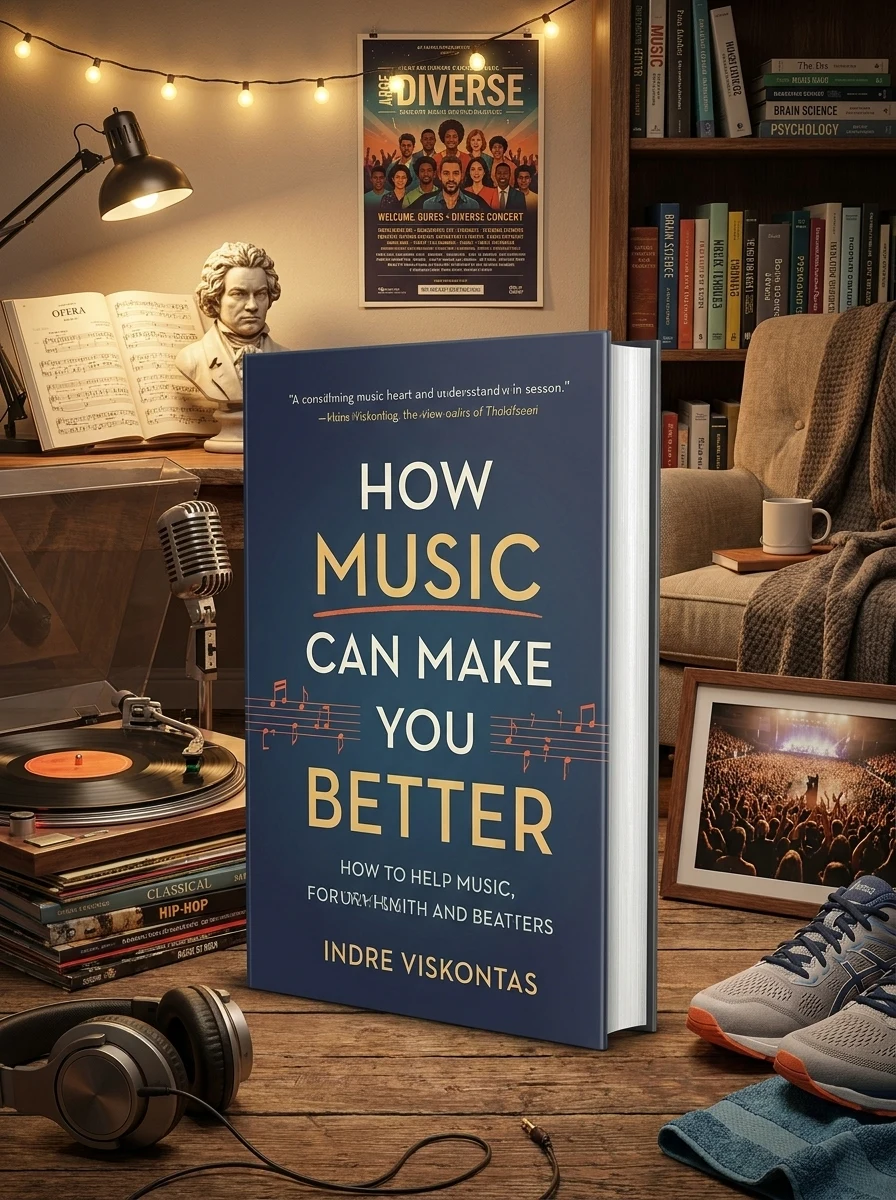
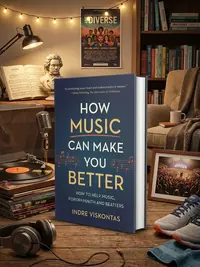

How Music Can Make You Better Viskontas, Indre
This edition can be ordered. No arrival date is confirmed.
Discover how sound transforms us, from neuron to spirit.
Indre Viskontas, a distinguished neuroscientist and opera singer, presents a compelling exploration into the profound impact of music on the human condition. This work meticulously uncovers the neurological mechanisms through which auditory stimuli are processed, revealing how melodies and rhythms resonate deeply within our brains. From fostering personal well-being and aiding in emotional recovery to forging powerful communal bonds, Viskontas illuminates music's multifaceted role in shaping our individual lives and collective societies. It's an insightful journey into the vibrant intersection of sound, mind, and human experience, encouraging a fresh appreciation for the art form.
This work sits at the intersection of contemporary neuroscience and holistic wellness, reflecting the modern trend of bridging empirical science with spiritual or metaphysical understanding of human experience. It aligns with the tradition of exploring esoteric concepts through a rigorous, evidence-based lens rather than purely mystical ones.


📝 Description: How Music Can Make You Better Viskontas, Indre
💎 Expert review
📖 Why choose it
Why this book is worth reading
Readers seeking a rational yet deeply appreciative framework for the power of sound will find this book invaluable. It is ideal for those who feel the emotional weight of music but crave a scientific explanation for why it resonates so profoundly. Viskontas’s unique dual expertise allows her to translate complex neurological data into accessible insights about personal well-being and communal bonding. If you are an opera singer, a neuroscientist, or simply someone curious about how melodies shape our spirits and neurons, this text offers a fresh, grounded perspective that honors both the art form and the biological machinery behind it.
⭐ Reader reviews
Reader rating
Viskontas delivers a meticulous exploration of auditory processing, effectively linking neuronal activity to emotional recovery and social cohesion. Her background in both opera and neuroscience provides a rare credibility to the argument that music is not merely entertainment but a fundamental shaper of human experience. However, readers seeking purely mystical or esoteric solutions without scientific backing may find the approach too clinical or grounded in empirical data. It does not suit those who prefer abstract metaphysical theories over biological mechanisms. The book succeeds as an insightful journey into the vibrant intersection of sound and mind, though it demands a willingness to engage with neurological concepts rather than offering purely spiritual solace.
❓ Frequently asked questions
📖 Who should read this
If you've ever felt a song move you to tears, lift your spirits, or unite you with strangers, this book is for you. It's an essential read for anyone curious about the scientific and emotional power behind the music we love.
🎯 Key themes and symbolism
Neuroscience of Sound
The book meticulously details how our brains interpret complex sound waves, transforming them into meaningful musical experiences. Viskontas explains the neural pathways involved in processing rhythm, melody, and harmony, showcasing how these elements evoke specific emotions and memories, grounding our subjective musical encounters in biological reality.
Music's Healing & Growth
Viskontas explores music's therapeutic potential, illustrating how it can serve as a powerful tool for emotional regulation, stress reduction, and even cognitive enhancement. She provides examples of how certain compositions aid recovery, offer solace during difficult times, and inspire personal development, highlighting music as a catalyst for betterment.
Social & Cultural Connection
This work delves into music's unparalleled ability to unite diverse individuals and foster collective identity. By examining shared musical experiences, from concerts to communal rituals, Viskontas demonstrates how music transcends linguistic and cultural barriers, creating powerful bonds and a sense of belonging across societies.
💬 Quotes from the book
“The raw vibration of a cello string, seemingly simple, triggers a cascade of neural firings, translating mere physics into the profound ache of nostalgia or the soaring joy of discovery.”
“Across cultures and millennia, the rhythmic pulse of music has served as a primal drumbeat, knitting individuals into a shared tapestry of emotion and purpose, proving its inescapable power to unify.”
📜 Historical context
📚 Glossary
- Neuroscience
- Audiophile
- Cognitive Impact
📔 Questions to reflect on
- Consider a specific piece of music that has profoundly impacted you. How did it make you feel, and based on what you've learned, what neurological processes might have been at play?
- Reflect on a time music helped you overcome a challenge or connect with others. What elements of that musical experience contributed to its positive effect?
- If you were to curate a soundtrack for your ideal day, what emotions would you want each song to evoke, and how would those choices align with the book's insights into music's power?
🏛 Books from this publisher Chronicle Books
All books from this publisher →

 91
91

 80
80
 87
87



You might also like
See more →

 91
91