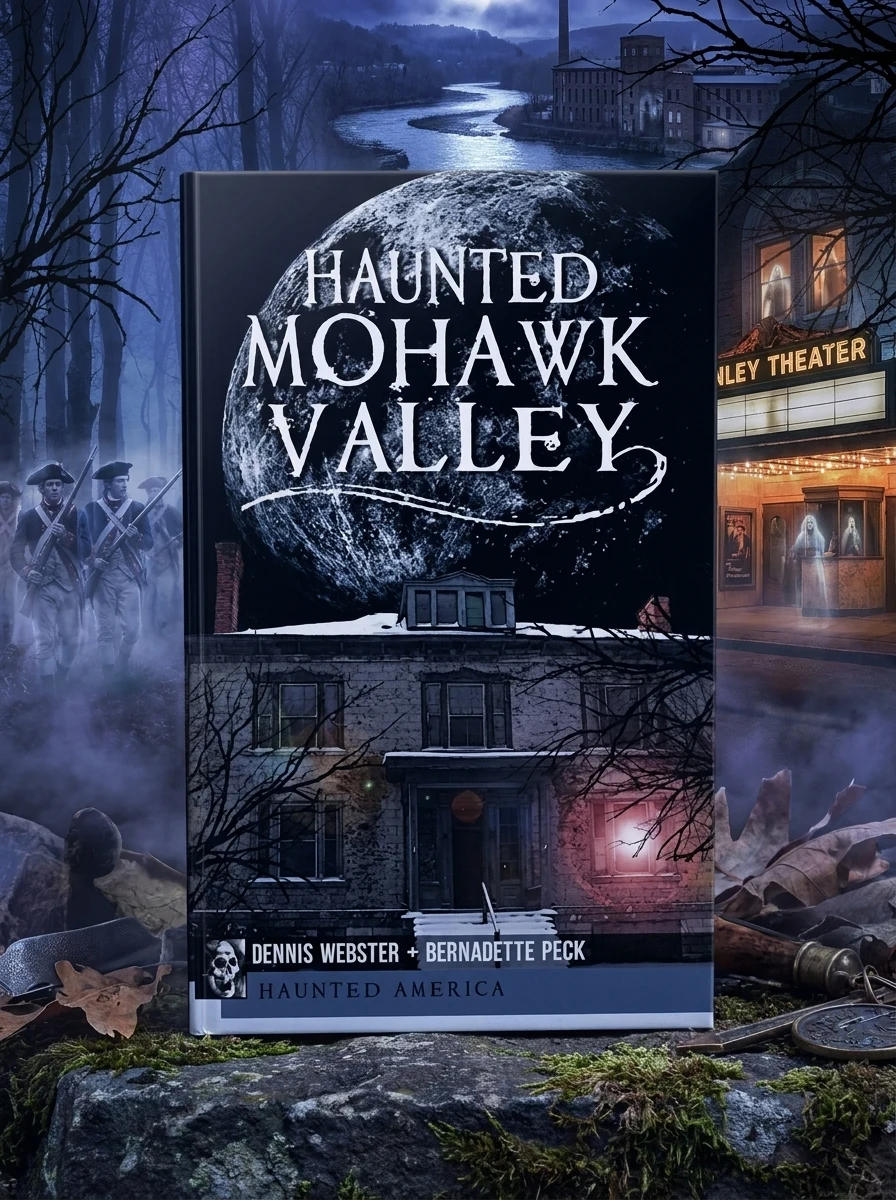
Haunted Mohawk Valley
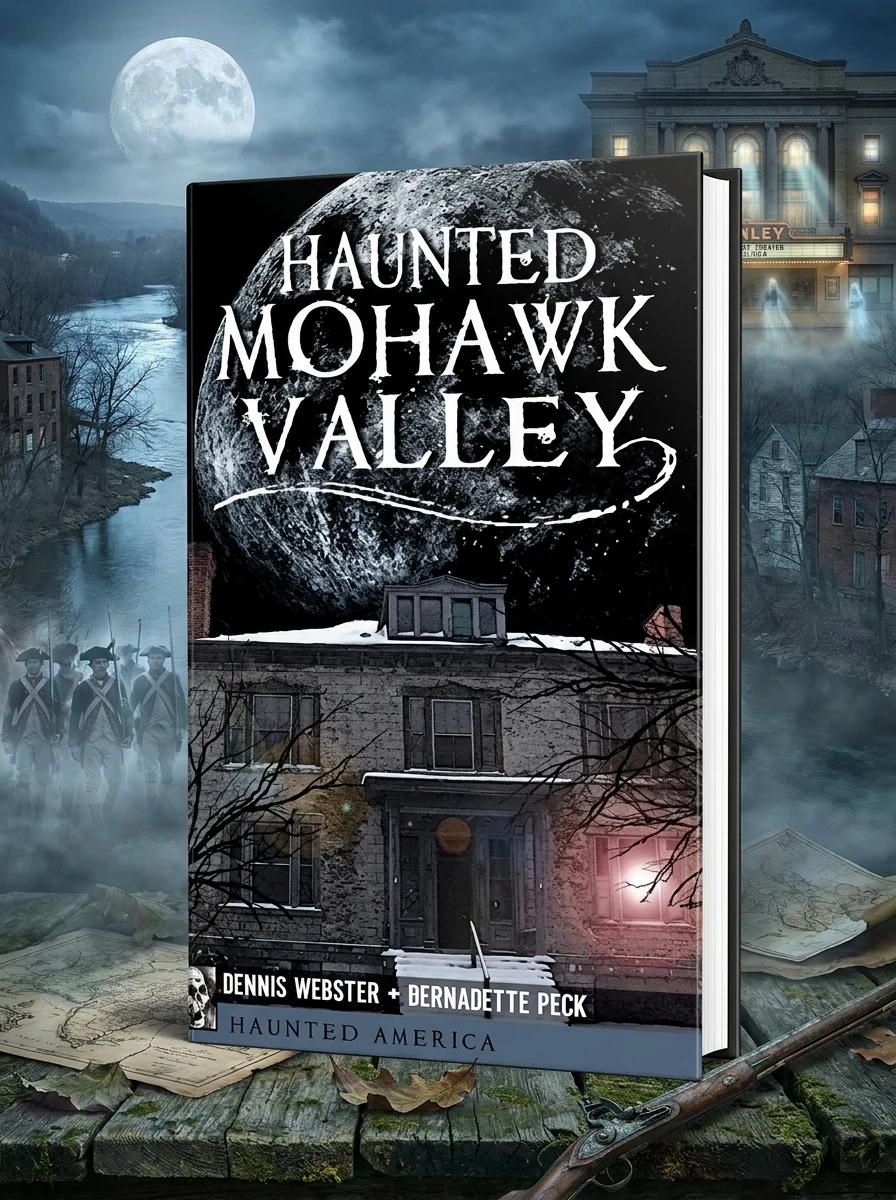
✍️ Webster, Dennis; , Peck, BernadetteJourney through the spectral landscape of upstate and central New York, where the historic Mohawk River serves as a conduit for the extraordinary. This compelling volume delves into the numerous supernatural encounters reported by residents and visitors alike, from the phantom performers gracing the stage of Utica's Stanley Theater to the persistent apparitions of Revolutionary War soldiers. It masterfully weaves together local history with unsettling tales of the unexplained, offering a captivating exploration of the region's enduring paranormal legacy. Prepare to see familiar landscapes through a chilling new lens.


📝 Description: Haunted Mohawk Valley
💎 Expert review
📖 Why choose it
Why this book is worth reading
Readers with a deep affection for the American Northeast will find this book an irresistible invitation to explore the unseen layers of New York’s Mohawk Valley. It is perfect for those who enjoy blending factual local history with eerie, unexplained phenomena. Residents and tourists alike will gain a chilling new perspective on familiar landscapes, from Utica’s Stanley Theater to Revolutionary War battlefields. The narrative offers a captivating exploration of enduring paranormal legacies, making it an ideal companion for ghost hunters, folklore students, or anyone seeking to understand the spectral history that lingers along the Mohawk River. It transforms ordinary geography into a stage for extraordinary encounters.
⭐ Reader reviews
Reader rating
This volume serves as a compelling guide for those intrigued by regional hauntings and historical specters along New York’s Mohawk River. By weaving together resident reports with local history, it offers a fascinating look at phantom performers and Revolutionary War apparitions. However, readers seeking rigorous academic analysis or scientific debunking of paranormal claims will likely find the tone too anecdotal and speculative. It is not suited for skeptics who demand empirical evidence over narrative charm. Instead, it appeals to those who appreciate atmospheric storytelling and the preservation of local ghost lore. The book succeeds in its goal to reveal the chilling history behind familiar sites, though it lacks depth for serious researchers.
❓ Frequently asked questions
📖 Who should read this
If you're captivated by regional ghost stories, a connoisseur of local history, or simply intrigued by the veil between worlds, this book is an essential addition to your collection. Prepare for a journey into the spectral heart of New York.
🎯 Key themes and symbolism
History's Spectral Echoes
This volume meticulously links the region's rich past, from colonial skirmishes to industrial eras, with the persistent spectral activity reported in its towns and battlefields. Discover how pivotal historical events and the lives of those who shaped them leave indelible spiritual marks upon the land, manifesting as enduring supernatural phenomena.
Local Haunts Explored
Delve into a curated collection of specific ghost sightings and unexplained phenomena, detailing the eerie presences said to linger in iconic locations like the opulent Stanley Theater and various lesser-known local haunts across the Mohawk Valley. Each story offers a chilling glimpse into the unseen residents of New York.
Folklore and the Unseen
Explore how local legends and oral traditions have shaped the perception of the supernatural in the Mohawk Valley. The book examines the cultural fabric that gives rise to these enduring tales, making the unseen tangible through narrative, and revealing the deep-seated belief systems surrounding regional paranormal activity.
📜 Historical context
📚 Glossary
- Mohawk Valley
- Supernatural
- Folklore
📔 Questions to reflect on
- Which historical event mentioned in the book do you believe would be most likely to leave a lasting spiritual imprint, and why?
- If you were to investigate a haunted location in the Mohawk Valley, what type of spectral encounter would you most hope to experience, or avoid?
- How do regional ghost stories, like those in this book, contribute to the unique cultural identity and historical memory of an area?