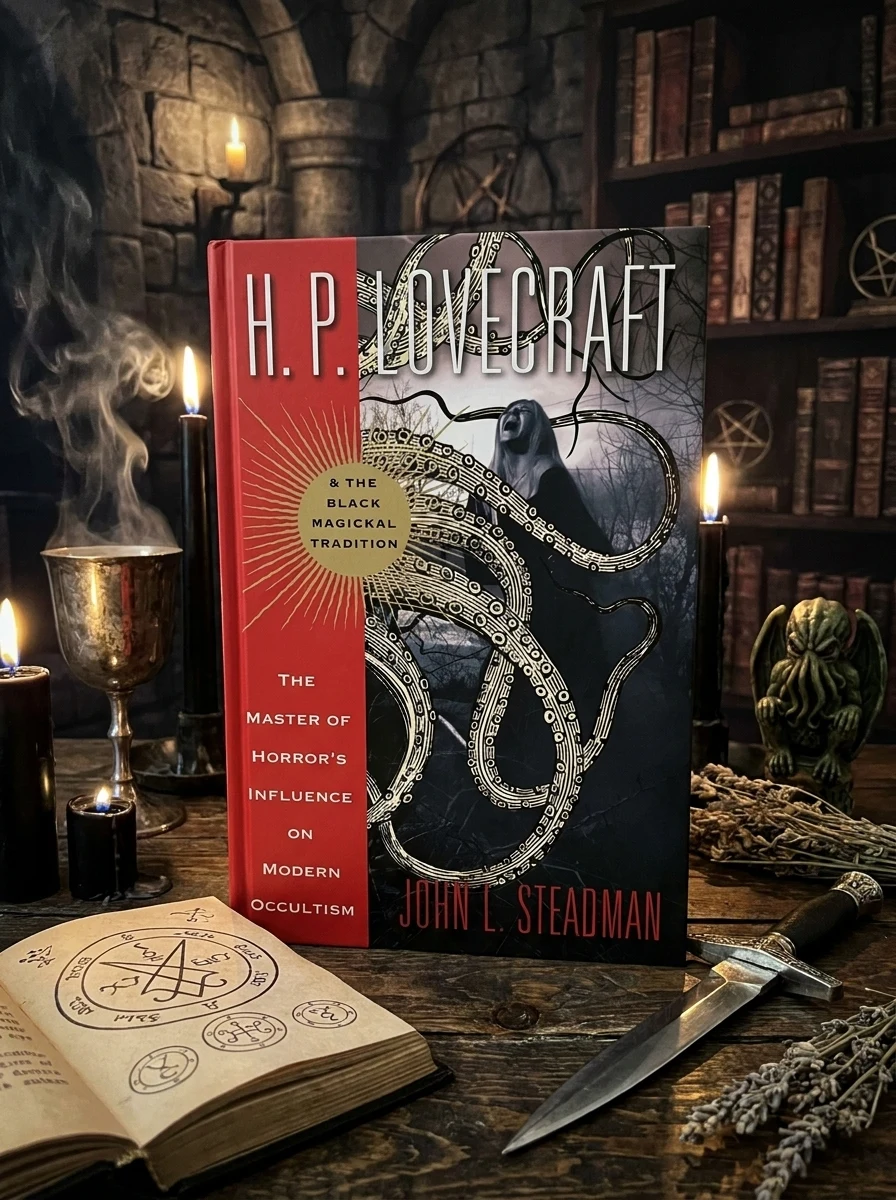
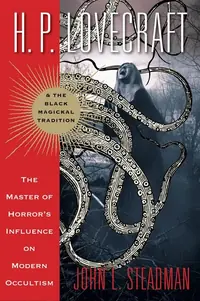
H. P. Lovecraft and the Black Magickal Tradition: The Master of Horror's Influence on Modern Occultism
This edition can be ordered. No arrival date is confirmed.
Did Lovecraft merely imagine cosmic horrors, or did he tap into something darker?
John L. Steadman’s compelling study delves into the enduring mystery surrounding H.P. Lovecraft: was his profound horror merely fiction, or did it spring from genuine occult insight? This book meticulously traces connections between Lovecraft’s life and an array of modern magical systems, presenting compelling evidence that his creations, particularly the Cthulhu Mythos and the notorious Necronomicon, offer a legitimate framework for practical black magick. It examines whether the master of cosmic dread possessed an esoteric understanding beyond mere literary invention, ultimately affirming his deep, albeit controversial, impact on contemporary dark occult currents.
This work situates itself at the intersection of Gothic horror literature and modern ceremonial magic, exploring how fictional mythos can influence real-world esoteric practices. It bridges the gap between literary analysis and occult study within the contemporary dark magick tradition.


📝 Description: H. P. Lovecraft and the Black Magickal Tradition: The Master of Horror's Influence on Modern Occultism
💎 Expert review
📖 Why choose it
Why this book is worth reading
Readers fascinated by the mysterious overlap between H.P. Lovecraft’s cosmic dread and actual occult practice will find this book essential. It is ideal for those who suspect that Lovecraft’s horror stems from genuine esoteric insight rather than mere invention. By tracing connections to modern magical systems, it offers a unique lens for understanding the Cthulhu Mythos as a framework for black magick. If you are intrigued by whether the master of horror tapped into something darker than fiction, this study provides compelling evidence of his impact on contemporary dark currents. It appeals to scholars and practitioners alike who seek to validate the spiritual potency behind literary nightmares.
⭐ Reader reviews
Reader rating
John L. Steadman offers a meticulous, if controversial, examination of Lovecraft’s potential occult credentials. While it may appeal to those seeking validation for dark magical practices through Lovecraftian lore, it does not suit readers who prefer strictly academic literary criticism or those uninterested in the practical application of black magick. The book assumes a willingness to entertain the idea that horror fiction can serve as legitimate magical architecture. It is best for open-minded occultists rather than skeptics or traditionalists who view such connections with disdain. Those seeking dry, factual biography will find this too speculative.
❓ Frequently asked questions
📖 Who should read this
If you've ever pondered the true origins of Lovecraft's cosmic dread, or if you practice modern magick and sense deeper currents within his tales, this book is for you. It offers a scholarly yet provocative exploration for anyone fascinated by the blurred lines between literary horror and genuine esoteric knowledge.
🎯 Key themes and symbolism
Lovecraft's Occult Knowledge
Explores the contentious debate over whether Lovecraft's horrifying visions were purely imaginative or rooted in esoteric wisdom. Steadman meticulously scrutinizes Lovecraft's narratives, seeking direct correlations between his fictional elements and established principles of black magick, suggesting a more profound source for his cosmic terrors than literary craft alone.
Cthulhu Mythos as Magick
This book argues that the intricate cosmology and entities within Lovecraft's Cthulhu Mythos, alongside the infamous Necronomicon, are not just literary devices but can serve as a functional blueprint for practical occult workings. It demonstrates how his fictional constructs provide a tangible basis for those exploring darker magical traditions.
Influence on Modern Occultism
Examines the undeniable, pervasive impact Lovecraft's writings have had on contemporary Western occultism, particularly within the black arts. Regardless of one's belief in his personal magical practice, the text highlights how his unique blend of cosmic horror and forbidden knowledge has shaped the philosophical and practical currents of modern esotericism.
💬 Quotes from the book
“The question ceases to be 'Did Lovecraft believe?' and becomes 'Did Lovecraft *know*?' The evidence, meticulously gathered, suggests an unsettling affirmative.”
“Far from mere literary invention, the Cthulhu Mythos, in its intricate structure and terrifying pantheon, offers a direct pathway for those seeking to engage with forces beyond the mundane.”
📜 Historical context
📚 Glossary
- Cthulhu Mythos
- Necronomicon
- Black Magick
📔 Questions to reflect on
- How does the blurring of fiction and occult practice in Lovecraft's work challenge your understanding of both literature and magick?
- If the Cthulhu Mythos is indeed a functional magical system, what ethical considerations arise for those who might choose to engage with it?
- In what ways might Lovecraft's profound influence on modern occultism reflect a deeper, collective human yearning for connection with the 'unknown' or 'forbidden'?
🏛 Books from this publisher Weiser Books
All books from this publisher →


 87
87

You might also like
See more →
 91
91