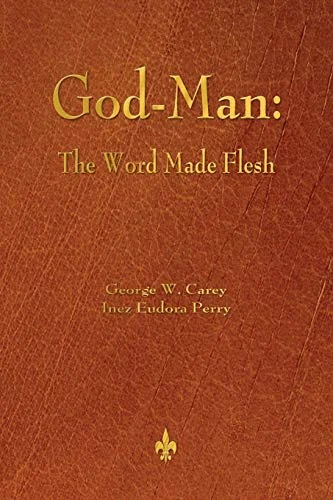
God-Man: The Word Made Flesh
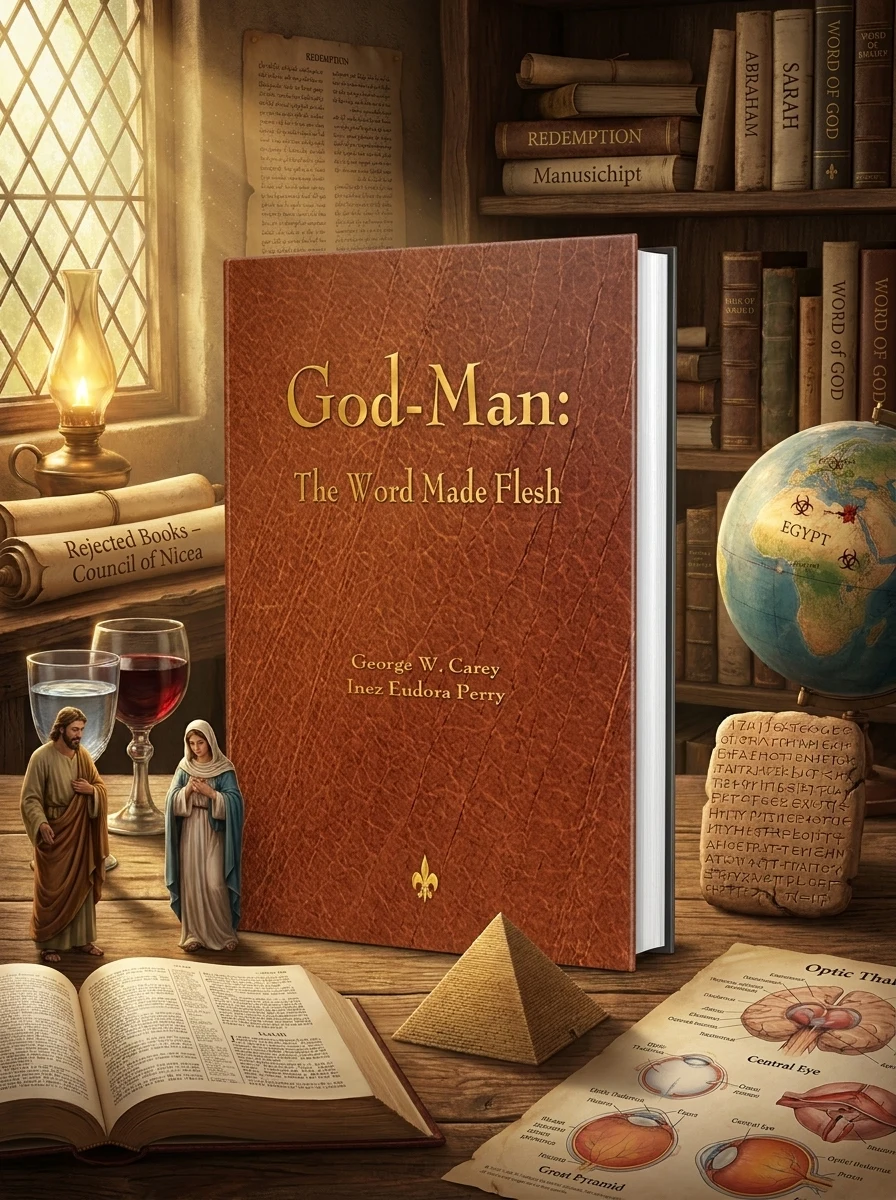
✍️ Carey, George W; , Perry, Inez EudoraGeorge W. Carey and Inez Eudora Perry present a revolutionary interpretation of biblical narratives, positing that scripture is an elaborate allegory for human physiology and spiritual development. Rather than literal history, stories like the plagues of Egypt, Joseph and Mary, or John the Baptist are decoded as symbolic representations of bodily systems and internal alchemical processes. This audacious work invites readers to rediscover the "God-Man" within, bridging ancient wisdom with a unique spiritual science that redefines humanity's divine potential through understanding the self.


📝 Description: God-Man: The Word Made Flesh
💎 Expert review
📖 Why choose it
Why this book is worth reading
Readers seeking a profound shift in perspective will find this work transformative. It appeals to those who feel constrained by literalist religious frameworks and desire a more intimate, physiological connection to the divine. By decoding biblical narratives as internal alchemical processes, it offers a tangible path for spiritual development. Individuals interested in the intersection of body and spirit will appreciate the audacious invitation to rediscover the 'God-Man' within. This book is ideal for seekers who wish to bridge ancient wisdom with a unique spiritual science, redefining humanity's divine potential through self-understanding rather than external dogma.
⭐ Reader reviews
Reader rating
Carey and Perry present an audacious decoding of scripture as human physiology, offering a revolutionary view of biblical narratives as allegories for bodily systems. While intellectually stimulating for those invested in esoteric traditions, this work is not suited for readers expecting historical accuracy or traditional theological exegesis. Those uncomfortable with the dissolution of literal scripture into internal alchemical symbolism may find the premise jarring or overly speculative. It demands a willingness to accept scriptural stories as symbolic representations of spiritual science rather than factual events. Ultimately, it serves a niche audience dedicated to mystical physiology but alienates conventional believers seeking straightforward religious guidance.
❓ Frequently asked questions
📖 Who should read this
If you are a seeker dissatisfied with conventional religious narratives and yearn for a deeper, scientific-spiritual understanding of scripture and self, this book offers a revolutionary perspective that bridges ancient wisdom with physiological insights, revealing the divine blueprint within.
🎯 Key themes and symbolism
Physiological Allegory
This work radically posits that biblical narratives are not external history but allegories for the human body's intricate systems. From the plagues of Egypt manifesting in bodily ailments to John the Baptist representing a specific gland, Carey and Perry unlock a profound, internal spiritual science, revealing the sacred architecture within and its connection to spiritual awakening.
Esoteric Scripture Decoded
Delve into a daring re-evaluation of foundational religious stories, stripping away literal interpretations to reveal a hidden, gnostic wisdom. The authors meticulously dissect narratives like Joseph and Mary, or turning water into wine, presenting them as symbolic keys to understanding spiritual transformation and the esoteric journey of the soul, free from conventional dogma.
Universal Esoteric Connections
Beyond Christian scripture, this volume bravely draws parallels to broader mystical traditions. It explores links to ancient wisdom like "The Secret Doctrine" and "Sacred Books of the East," suggesting a universal, underlying truth. The text positions biblical insights within a grander, interconnected tapestry of global esoteric knowledge, emphasizing shared spiritual principles across cultures.
📜 Historical context
📚 Glossary
- Optic Thalamus
- Physiological Allegory
- Kaph
📔 Questions to reflect on
- How might understanding biblical stories as internal, physiological processes shift your personal spiritual practice or self-perception of your own body?
- Reflect on a sacred narrative from your own tradition. What deeper, non-literal meanings might it hold about human consciousness or development, similar to Carey and Perry's approach?
- The book presents "God-Man" as an achievable state. What personal disciplines or insights do you believe are necessary to cultivate this divine potential within yourself and your daily life?