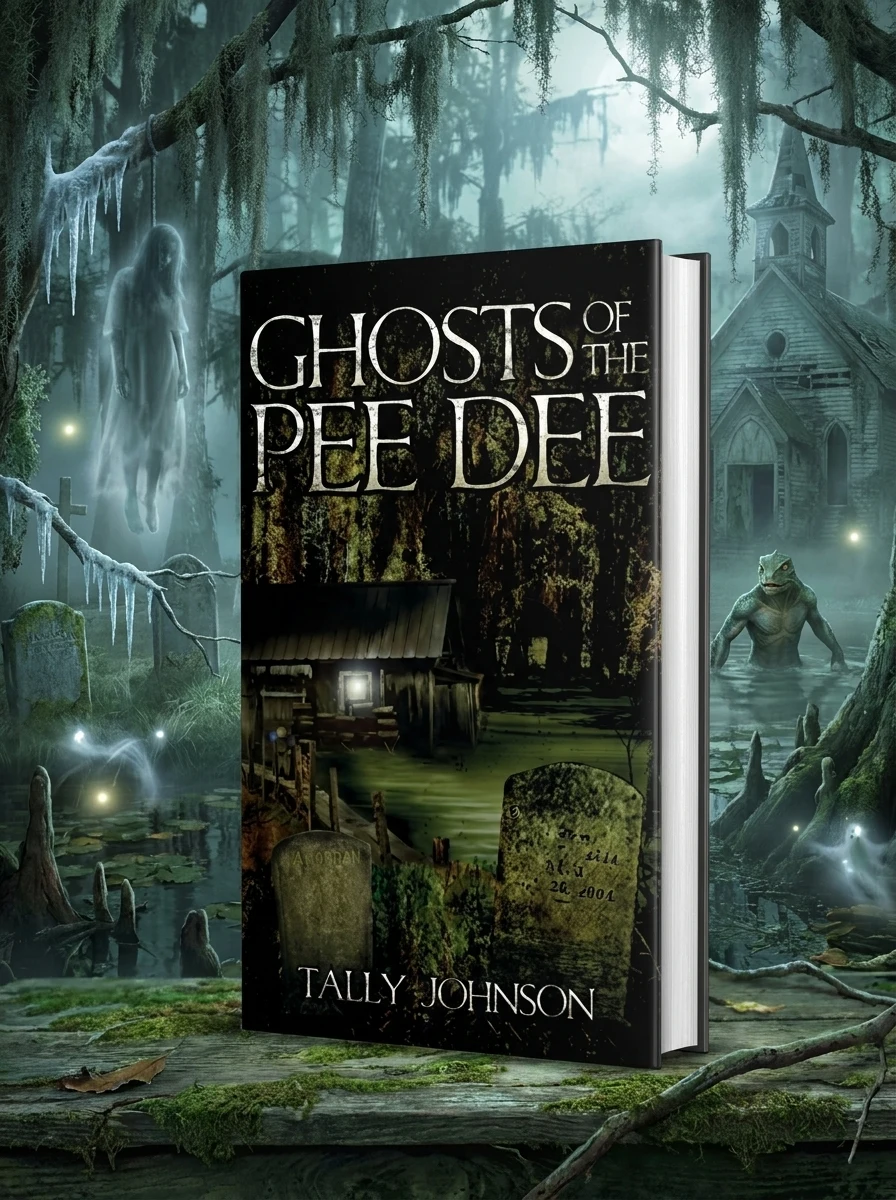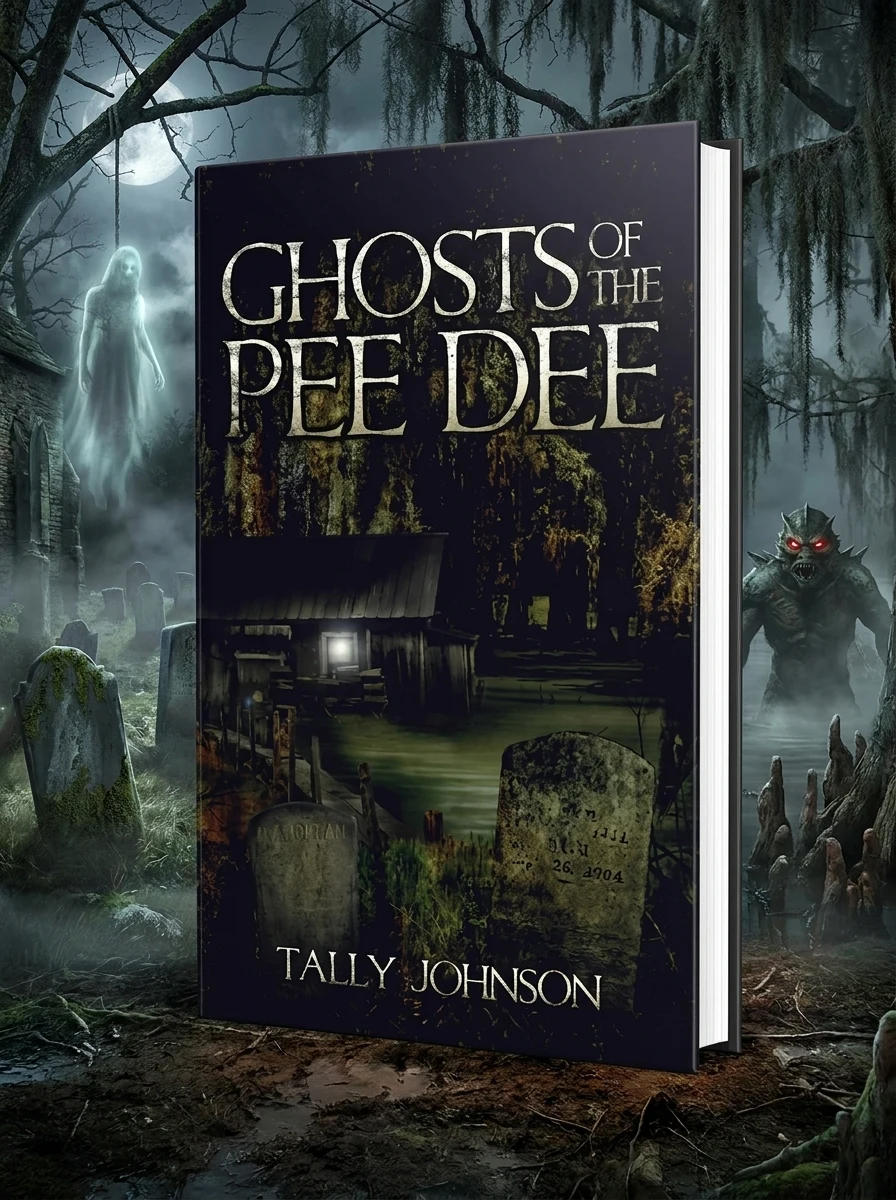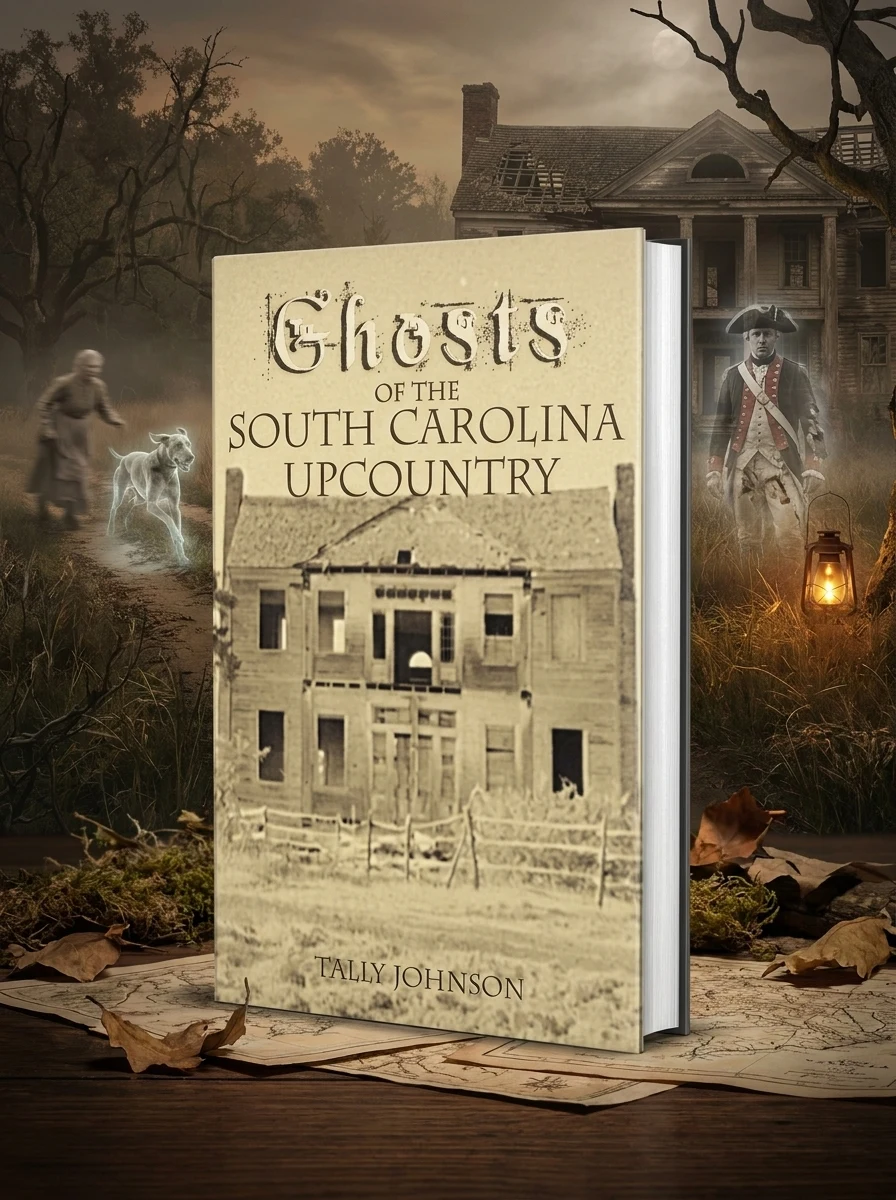
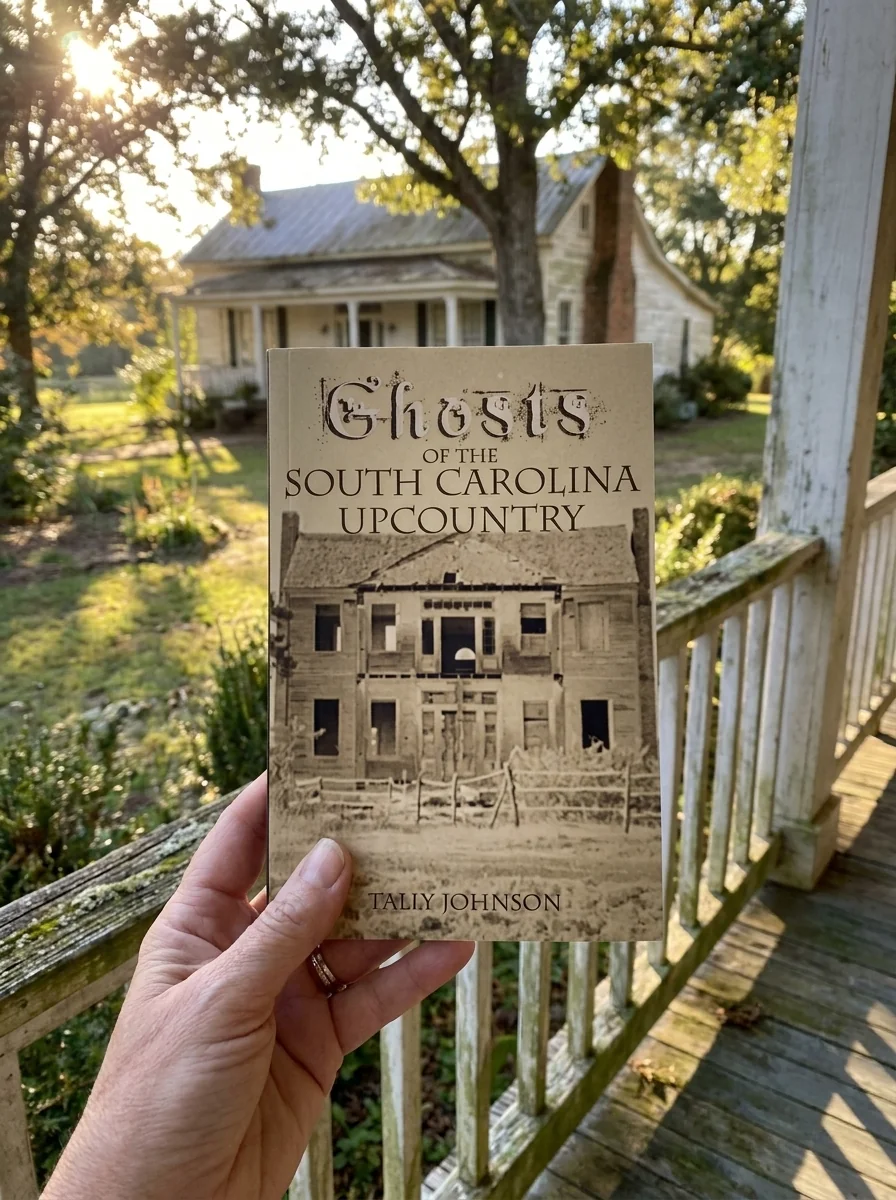
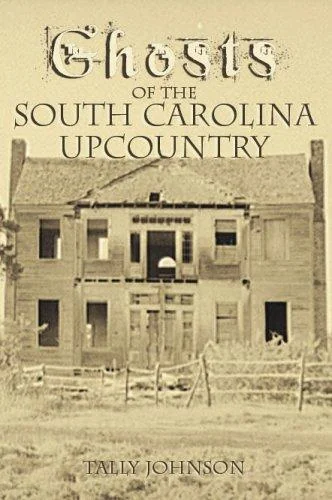
Ghosts of the South Carolina Upcountry Johnson, Tally
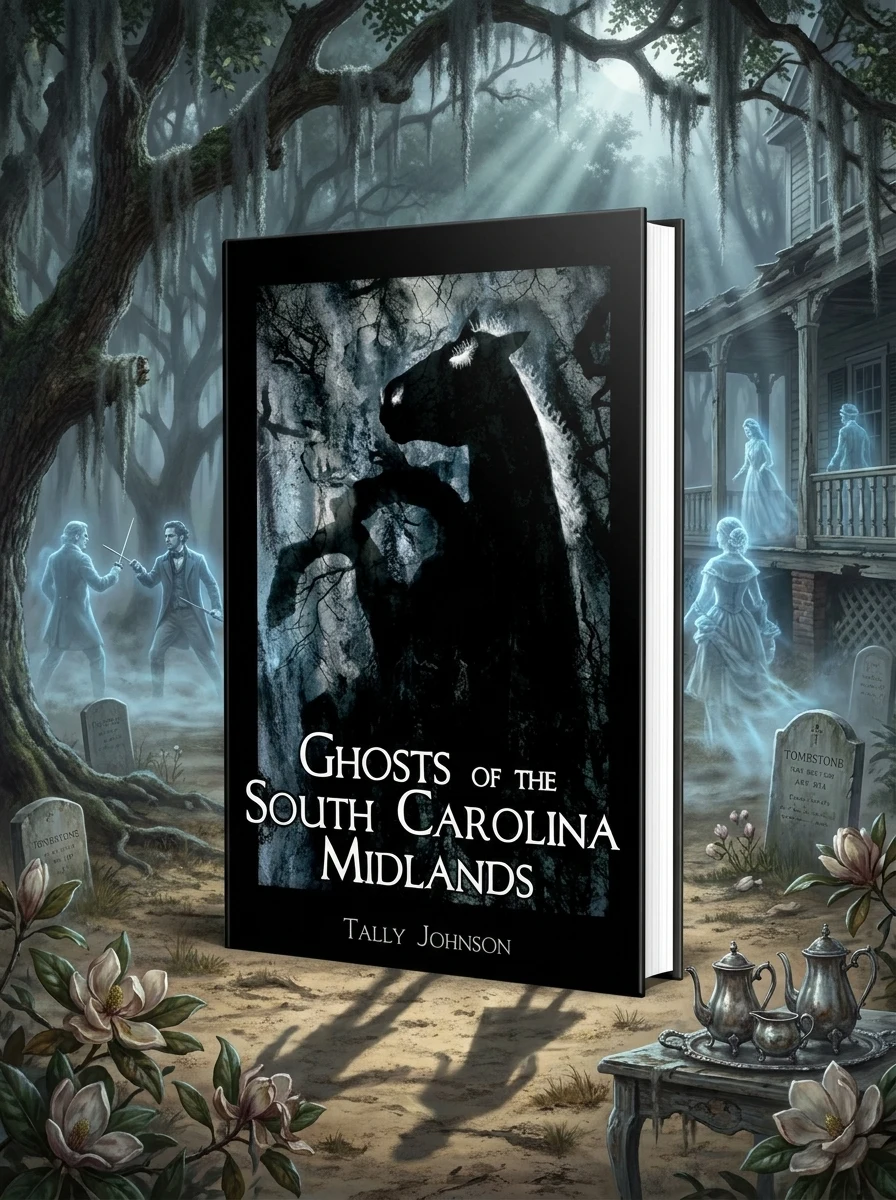
✍️ Johnson, TallyStep into the shadowy corners of South Carolina's Upcountry with Tally Johnson, a masterful guide to its most enduring hauntings. This compelling volume delves beyond mere ghost stories, meticulously weaving together local folklore with deep historical context. From Revolutionary War specters like Major Ferguson at Kings Mountain to the elusive Hound of Goshen, Johnson's research, drawn from historical documents, archived newspapers, and personal testimonies, paints a vivid picture of a region steeped in supernatural mystery. Discover how the past shapes the present in this unique corner of the South.


📝 Description: Ghosts of the South Carolina Upcountry Johnson, Tally
💎 Expert review
📖 Why choose it
Why this book is worth reading
Readers who cherish the intersection of history and the paranormal will find immense value in this volume. It appeals to those who view hauntings not merely as spooky tales, but as emotional echoes of significant historical events. Tally Johnson’s meticulous approach offers a respectful yet thrilling exploration for locals and travelers alike. Those fascinated by the Revolutionary War era or specific South Carolina landmarks will appreciate the depth of research. It is an ideal companion for anyone seeking to understand how the past physically and spiritually lingers in the landscape, providing a rich, atmospheric experience that honors both the dead and the living tradition of storytelling.
⭐ Reader reviews
Reader rating
Johnson delivers a compelling, well-researched collection that elevates local ghost stories above typical ephemera. The integration of archival documents with personal testimonies creates a credible and immersive narrative for enthusiasts of regional history. However, readers seeking fast-paced horror fiction or scientific debunking will likely find this slow and overly anecdotal. Those who prefer rigorous academic historiography without supernatural elements may also feel the content is too speculative. It is best suited for casual historians and paranormal hobbyists who appreciate a warm, inviting tone over cold analysis.
❓ Frequently asked questions
📖 Who should read this
If you're captivated by regional American history, intrigued by the supernatural, or simply love a well-told ghost story rooted in verifiable lore, this book is for you. It's an essential read for anyone exploring the intersection of the historical and the inexplicable.
🎯 Key themes and symbolism
Regional Ghostlore
The book meticulously catalogs an array of distinct apparitions and paranormal phenomena specific to the Upcountry's thirteen counties. It offers a fascinating glimpse into localized legends, showcasing how specific landscapes and communities foster their own unique spectral inhabitants and cautionary tales, often passed down through generations.
History's Haunting Influence
Johnson expertly connects these supernatural narratives to their historical anchors, revealing how significant events and figures—from Revolutionary War battles to antebellum life—have imprinted themselves onto the spiritual fabric of the region. The book demonstrates that many 'ghosts' are, in essence, historical memories made manifest.
Preserving Oral Traditions
Beyond written records, the author emphasizes the crucial role of personal interviews and local anecdotes in collecting these tales. This approach highlights the living nature of folklore, illustrating how stories evolve and endure through the spoken word, ensuring the preservation of regional identity and its mysterious undercurrents.
📜 Historical context
📚 Glossary
- Upcountry
- Specter
- Folklore
📔 Questions to reflect on
- What local legends or unexplained phenomena exist in your own region, and how might they be connected to its history?
- Consider a historical event you've learned about. How might its emotional or physical residue linger in the present, creating a 'ghost' of its own?
- Reflect on the power of oral tradition. Are there stories from your family or community that have changed over time, and what does that reveal about memory and myth-making?