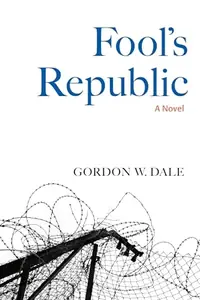
Fool's Republic


This edition can be ordered. No arrival date is confirmed.
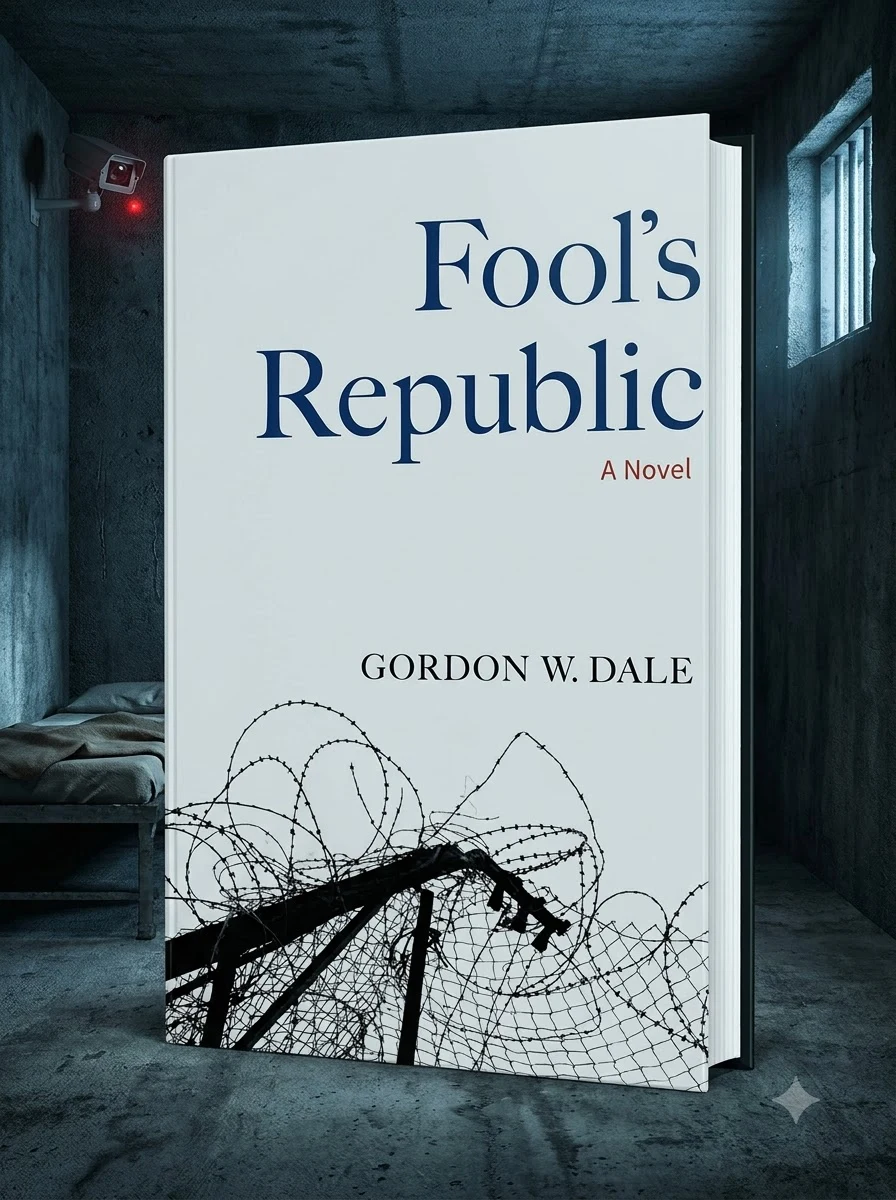
Trapped in an unseen system, one man's mind becomes his only sanctuary.
Simon Wyley, an unassuming cook of brilliant intellect, finds himself inexplicably ensnared within the labyrinthine clutches of a faceless state. Accused of unspecified transgressions, he endures detention without legal recourse. Stripped of conventional defenses, Wyley's sole weapons are his sharp wit and profound insight, which he wields against his interrogators' assumptions. This narrative delves deeply into the human spirit's resilience when confronted with overwhelming power, exploring the true meaning of freedom—of thought, action, and being—within a system designed to crush individuality and dissent.
This work belongs to the tradition of philosophical allegory and existential literature, exploring themes of individual liberty against authoritarian structures.


📝 Description: Fool's Republic
💎 Expert review
📖 Why choose it
Why this book is worth reading
Readers who cherish the exploration of the human spirit’s resilience under duress will find profound value in this narrative. It is ideal for those interested in the philosophical definition of freedom, particularly when stripped of legal recourse and conventional defenses. The story offers a unique lens through which to examine how wit and insight serve as weapons against overwhelming power. Those who appreciate deep dives into the nature of dissent and the preservation of individuality within crushing systems will gain significant intellectual satisfaction. It appeals to anyone seeking to understand the true meaning of being free in thought and action when external constraints are absolute.
⭐ Reader reviews
Reader rating
Gordon W. Dale’s narrative offers a stark, intellectual examination of detention without trial, focusing heavily on the internal landscape of the protagonist rather than external adventure. While it successfully delves into the resilience of the human spirit against a faceless state, readers seeking fast-paced action or traditional plot progression may find it slow. It is not suited for those who prefer clear-cut moral binaries or straightforward resolutions to complex political allegories. The book demands patience and a willingness to engage with abstract concepts of liberty and dissent. However, for those willing to sit with the discomfort of an unspecified transgression and the labyrinthine nature of power, it provides a compelling, if dense, meditation on the sanctity of the mind.
❓ Frequently asked questions
📖 Who should read this
If you're drawn to narratives probing human resilience, challenging perceptions of justice, and exploring the fight for personal truth against overwhelming systems, this book will resonate. It's for seekers of wisdom in unlikely places, unafraid to confront the shadows of authority and the power of the individual mind.
🎯 Key themes and symbolism
Individual Sovereignty
This narrative masterfully portrays the desperate struggle to maintain one's inner self against external coercion. Wyley's imprisonment becomes a crucible for testing the boundaries of personal autonomy, highlighting how freedom of thought and spirit can persist even when physical liberties are brutally suppressed, turning the mind into the ultimate battleground for self-preservation.
The Nature of Illusion
The book blurs the lines between perceived reality and systemic illusion, as Wyley's captors operate without clear charges or due process. This creates a disorienting atmosphere where truth is malleable, forcing the reader to question official narratives and the very foundations of justice, echoing the esoteric pursuit of discerning underlying truths from surface appearances.
Shadow of the State
Through its chilling depiction of an omnipresent, arbitrary authority, the novel explores the darker aspects of collective power. The state functions as a shadowy, almost archetypal force, its motives obscure, its methods insidious. This speaks to the universal human confrontation with oppressive systems, both societal and internal, that seek to diminish the individual spirit.
💬 Quotes from the book
“They spoke of crimes against the state, as if the state itself wasn't the greatest crime against humanity.”
“The walls of his cell were absolute, but the boundaries of his mind proved far more expansive than any prison.”
📜 Historical context
📚 Glossary
- Individual Sovereignty
- Liminal Space
- Archetype of the Rebel
📔 Questions to reflect on
- How do you define personal freedom, and in what ways might it be challenged or upheld in a world of increasing external controls?
- Consider a time when you felt your truth was questioned or disregarded by an authority. How did you respond, and what inner resources did you draw upon?
- If your only weapon against injustice was your mind, how would you use it to challenge or dismantle oppressive systems, real or perceived?
🏛 Books from this publisher North Atlantic Books
All books from this publisher →

You might also like
See more →