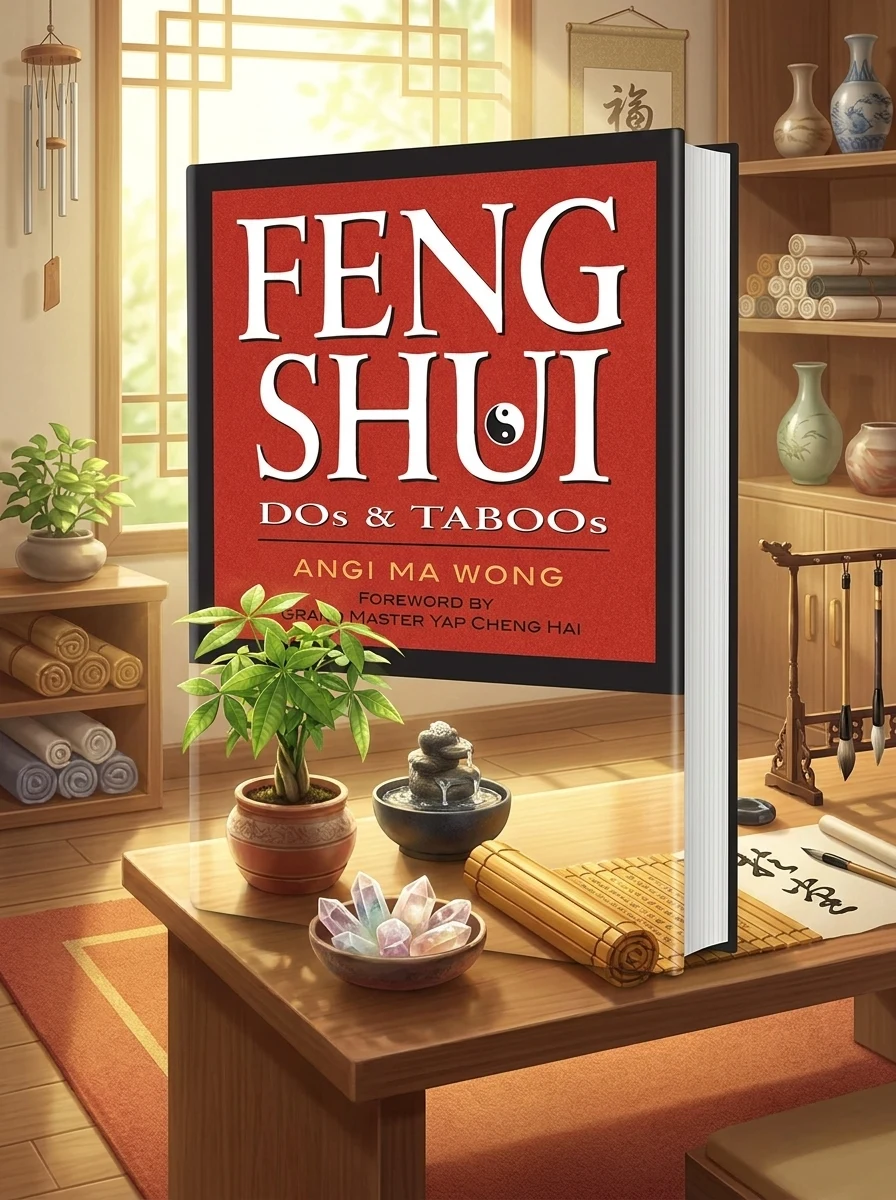
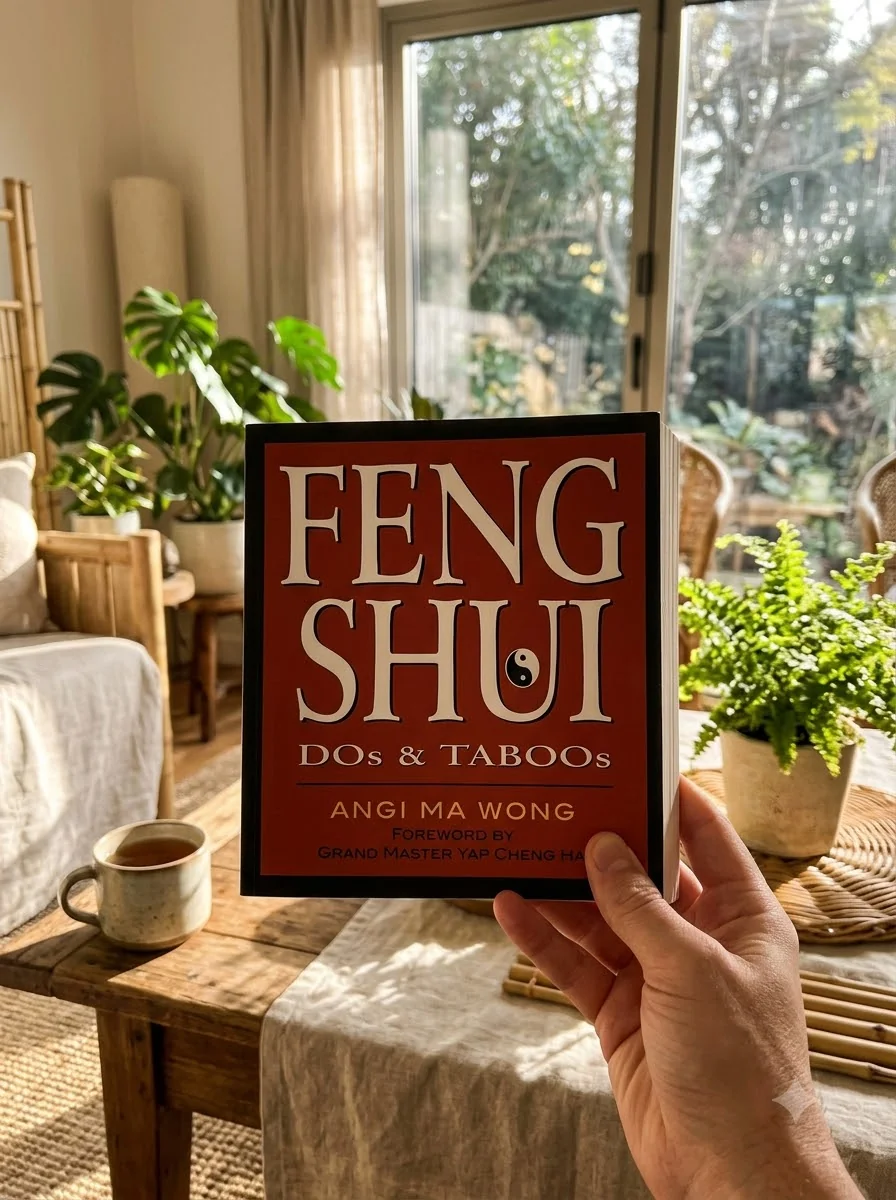
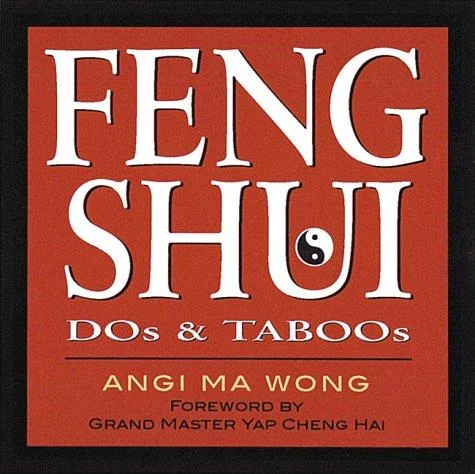
Feng Shui Dos & Taboos
Angi Ma Wong's accessible guide unveils over 400 practical feng shui principles, designed to harmonize your personal spaces with your deepest aspirations. Discover straightforward adjustments in decor and arrangement that can profoundly influence your career trajectory, foster stronger familial bonds, invigorate your physical well-being, and cultivate mental clarity. Presented in an intuitive, alphabetical format, this book encourages a mindful exploration of how your environment is intrinsically linked to a flourishing and fulfilling existence.


📝 Description: Feng Shui Dos & Taboos
💎 Expert review
📖 Why choose it
Why this book is worth reading
Readers seeking a straightforward, low-barrier entry into the world of environmental harmony will find immense value in this accessible guide. It is ideal for those who feel overwhelmed by complex metaphysical theories and prefer actionable, alphabetical references they can consult quickly. Individuals looking to subtly shift their career trajectory, strengthen family bonds, or improve physical well-being through simple decor adjustments will appreciate the practical nature of the advice. The book serves as a friendly companion for anyone wishing to align their personal space with their deepest aspirations without needing prior knowledge of esoteric traditions.
⭐ Reader reviews
Reader rating
While this guide offers a charming and intuitive approach to feng shui, it may disappoint purists seeking rigorous adherence to classical forms or complex compass readings. The alphabetical format prioritizes convenience over systemic understanding, which might feel fragmented to readers accustomed to structured pedagogical methods. Those expecting deep philosophical discourse or historical context will likely find the content superficial. However, for casual enthusiasts and beginners who prioritize immediate, tangible results in home organization and mindset, it provides a pleasant, low-stress introduction to the practice without demanding scholarly commitment.
❓ Frequently asked questions
📖 Who should read this
If you seek to consciously shape your environment for greater well-being, productivity, and inner peace, this guide is for you. Whether you're a beginner curious about energetic principles or looking for practical ways to enhance your daily life, you'll find actionable wisdom here.
🎯 Key themes and symbolism
Harmonious Space Creation
This work meticulously details how specific arrangements and decorative choices within your living and working environments can cultivate an energy flow conducive to peace and prosperity. It moves beyond superficial aesthetics, emphasizing the deep connection between physical surroundings and inner equilibrium, guiding readers to consciously craft spaces that actively support their well-being.
Personal Growth Empowerment
Wong illustrates how applying ancient feng shui wisdom directly impacts individual progress across all life domains. From enhancing professional success to nurturing family relationships and improving health, the book provides actionable steps to align your surroundings with your personal goals, fostering an environment where self-improvement and aspiration can genuinely thrive.
Practical Energy Management
Far from abstract theory, the book offers concrete, easy-to-implement techniques for managing the subtle energies within your home. It demystifies the concept of "chi" by providing hundreds of specific "dos and taboos" for placement, color, and form, empowering readers to actively shape their environment for optimal energetic support in daily life.
📜 Historical context
📚 Glossary
- Chi
- Bagua
- Five Elements
📔 Questions to reflect on
- Reflect on one area of your home you feel has "stagnant" energy. What simple change could you make there this week to shift its chi?
- Consider a specific life goal you have. How might the arrangement or decor of your most frequented room either support or hinder the manifestation of that goal?
- Choose one "taboo" from the book that resonates with you. What are the potential energetic implications of this taboo, and how could addressing it bring balance?