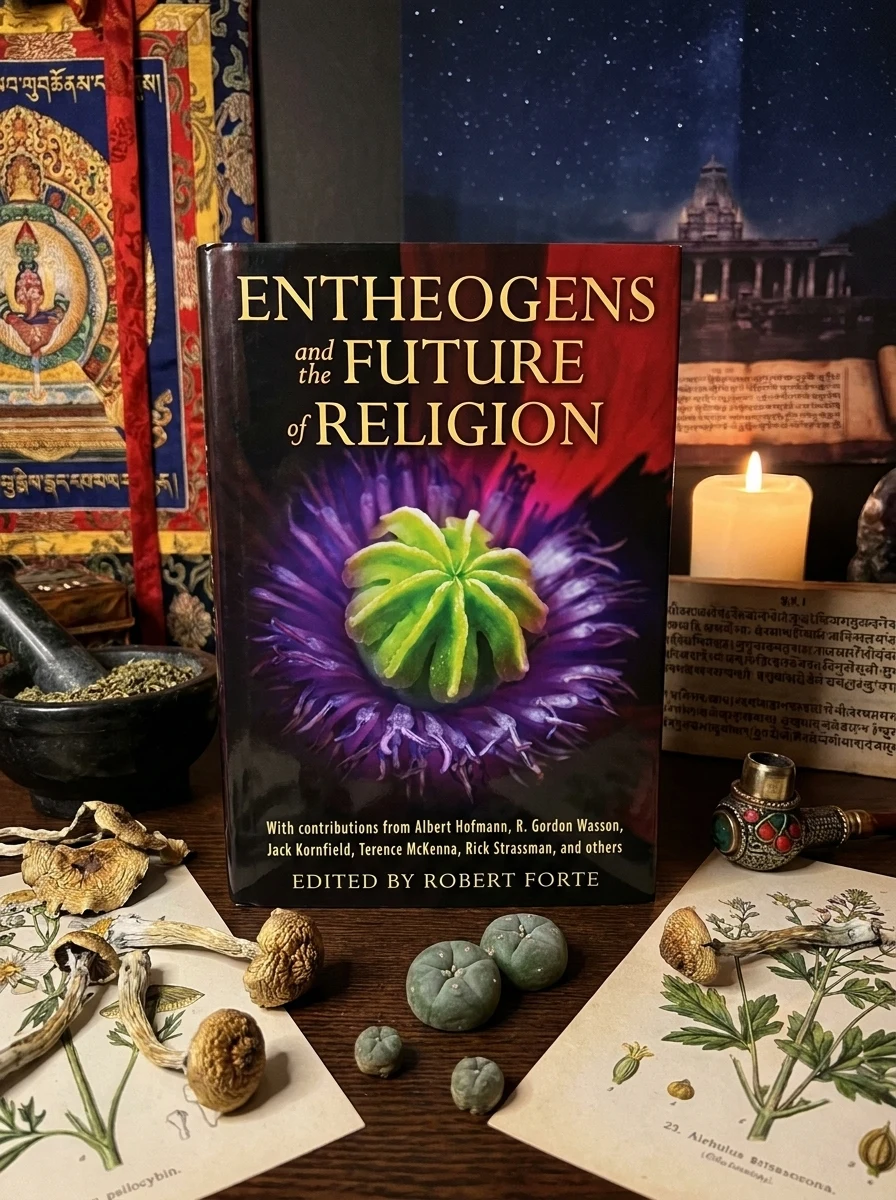
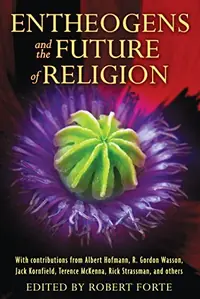
Entheogens and the Future of Religion


Stock reported in the catalog; fulfillment is confirmed with your request.
Unlock the ancient secrets of sacred plants and their profound impact on human spirituality.
This seminal collection explores the pivotal role of entheogens in religious history and their potential for humanity's spiritual renewal. Featuring insights from luminaries like Albert Hofmann and Terence McKenna, the book meticulously examines how psychedelic substances have shaped mystical experiences across cultures. It challenges prevailing misunderstandings, advocating for intellectual freedom in their study and emphasizing the critical need for an organized spiritual context to fully realize their transformative and sacred value, ultimately arguing for their place in a meaningful future for religion.
This work emerges from the intersection of occult studies and the modern psychedelic renaissance, positioning sacred plants within the broader lineage of esoteric spirituality. It bridges ancient mystical traditions with contemporary debates on religious evolution and intellectual freedom.


📝 Description: Entheogens and the Future of Religion
💎 Expert review
📖 Why choose it
Why this book is worth reading
Readers deeply interested in the intersection of botany, spirituality, and human consciousness will find this collection profoundly illuminating. It serves those seeking to understand how entheogens have historically shaped religious experiences across diverse cultures. Those advocating for intellectual freedom in spiritual studies will appreciate the rigorous examination of these substances' transformative potential. The book is ideal for individuals who feel that traditional religious frameworks are insufficient for modern spiritual renewal and seek a scholarly yet accessible exploration of sacred plants as vital tools for future religious meaning and organized spiritual practice.
⭐ Reader reviews
Reader rating
Forte’s compilation offers a compelling, albeit niche, perspective on the role of entheogens in religious history. While it successfully challenges prevailing misunderstandings and highlights insights from figures like Hofmann and McKenna, it may not suit readers seeking purely recreational or casual introductions to psychedelics. The text demands a serious engagement with complex theological and historical arguments, potentially alienating those looking for simple self-help advice. It is best suited for the dedicated occultist or academic interested in the structural role of sacred substances in spiritual renewal rather than general curiosity seekers.
❓ Frequently asked questions
📖 Who should read this
If you are fascinated by the origins of religious experience, the intersection of consciousness and spirituality, or the potential for plant medicines to foster personal and collective renewal, this book is essential. It's for those seeking a deeper, academically rigorous, yet spiritually open-minded perspective on entheogens.
🎯 Key themes and symbolism
Entheogens & Spirituality
The book delves into how ancient traditions utilized mind-altering plants for profound spiritual insights, presenting them not as mere recreational drugs but as powerful catalysts for divine communion and mystical revelation. It underscores their historical significance in foundational religious practices and individual spiritual journeys, asserting their capacity to induce ultimate human experiences like union with the divine.
Academic & Religious Freedom
This volume champions the essential importance of academic and religious liberty in the study and exploration of psychedelic compounds. It argues for unbiased research and open discourse to dismantle existing stigmas and fully comprehend the therapeutic and spiritual applications of these powerful agents, challenging the societal suppression that limits scientific and spiritual inquiry into their effects.
Structured Spiritual Context
The contributors collectively stress the critical necessity for a well-defined spiritual framework to guide entheogenic experiences. They advocate for integrating these substances into organized, intentional practices, ensuring safe and meaningful encounters that honor their transformative potential. This approach aims to prevent trivialization and unlock the full sacred value of these profound tools for consciousness alteration.
💬 Quotes from the book
“The profound mystery is not *if* these substances facilitate spiritual experience, but *how* we integrate such revelations into our collective spiritual wisdom.”
“To deny the historical and ongoing role of entheogens in spiritual seeking is to ignore a fundamental aspect of human religious striving.”
📜 Historical context
📚 Glossary
- Entheogen
- Mysticism
- Shamanic Societies
📔 Questions to reflect on
- Reflect on a personal experience where your consciousness was profoundly altered. How did it shift your perspective, and what spiritual insights, if any, did you gain?
- Consider the societal and legal barriers surrounding entheogen use. How might a more open, spiritually contextualized approach to these substances impact collective well-being and religious freedom?
- If entheogens were integrated into mainstream spiritual practices, what ethical guidelines and communal structures would be essential to ensure their safe and meaningful use?
🏛 Books from this publisher Park Street Press
All books from this publisher →





You might also like
See more →