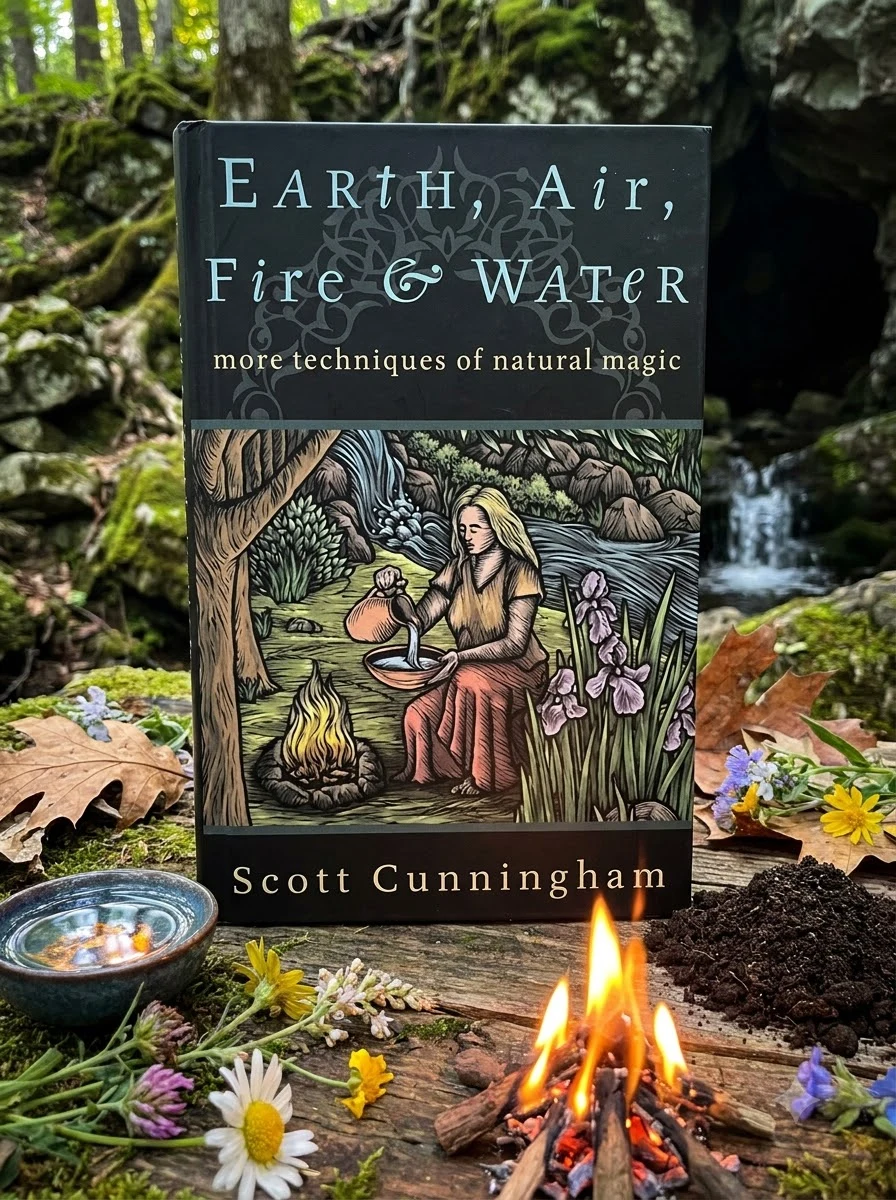
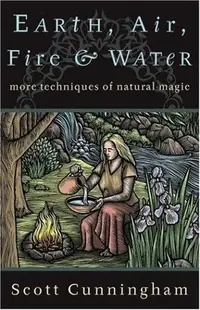
Earth, Air, Fire & Water: More Techniques of Natural Magic (Revised) Cunningham, Scott
Cunningham, ScottStock reported in the catalog; fulfillment is confirmed with your request.
Master the alchemy of possibility through Scott Cunningham’s definitive guide to elemental magic.
Scott Cunningham, a revered architect of modern solitary witchcraft, returns with this expanded manual on harnessing the four classical elements. Moving beyond basic theory, this revised edition delivers over seventy-five practical rituals, spells, and rites designed for immediate application. Whether you seek to purify a space with water, ground your energy with earth, ignite passion with fire, or clear your mind with air, this text provides the structural framework to transform ordinary natural objects into potent magical instruments. It bridges the gap between folklore and functional practice, offering clear instructions for novices while providing depth for seasoned practitioners seeking to refine their elemental correspondences.
This work sits firmly within the tradition of modern solitary witchcraft and Wiccan practice, reflecting Scott Cunningham’s significant influence on contemporary English-language occult literature. It serves as a practical manual for those seeking to integrate classical elemental theory into daily magical routines without strict adherence to traditional covens.


📝 Description: Earth, Air, Fire & Water: More Techniques of Natural Magic (Revised) Cunningham, Scott
💎 Expert review
📖 Why choose it
Why this book is worth reading
Readers who feel disconnected from complex dogmatic structures will find profound comfort in Cunningham’s accessible approach to natural magic. This book is ideal for solitary practitioners eager to move beyond theoretical knowledge and into immediate, tangible application. By providing clear instructions for using ordinary natural objects as potent magical instruments, it empowers individuals to purify spaces, ground energy, ignite passion, or clear their minds with confidence. It bridges the gap between folklore and functional practice, making it an essential resource for novices seeking a structural framework while offering enough depth for seasoned witches looking to refine their elemental correspondences. If you desire a hands-on guide that respects the alchemy of possibility through simple, effective techniques, this revised edition is your perfect companion.
⭐ Reader reviews
Reader rating
Cunningham’s revised manual remains a cornerstone for those valuing practical utility over esoteric obscurity. The text excels in delivering over seventy-five rituals with clarity, making elemental magic approachable for the modern solitary witch. However, it does not suit readers seeking dense academic analysis or historical lineage of ancient rites; this is a functional guide, not a scholarly treatise. Those looking for intricate theological debates or rigid coven-based hierarchies may find its individualistic focus too simplistic. Yet, for anyone wanting to transform ordinary objects into magical tools with immediate results, this book offers unparalleled clarity and warmth. It is a pragmatic choice for those who prioritize action and personal connection to nature over complex doctrinal adherence.
❓ Frequently asked questions
📖 Who should read this
Ideal for solitary witches, herbalists, and nature-based practitioners seeking practical, no-nonsense guidance on elemental magic. It suits readers who prefer actionable rituals over dense theory and wish to deepen their connection with the natural world through structured spellwork.
🎯 Key themes and symbolism
Elemental Correspondences
Cunningham meticulously maps the attributes of earth, air, fire, and water, detailing how each element governs specific aspects of life and magic. He explains the symbolic and energetic roles of each, teaching readers to recognize and manipulate these fundamental forces in their daily rituals and meditative practices.
Practical Spellcraft
The core of the book lies in its actionable content, offering step-by-step instructions for seventy-five distinct rituals. These spells range from protection and healing to attraction and banishing, all grounded in the use of natural materials like stones, herbs, and seasonal changes, ensuring magic remains accessible and tangible.
Nature as Conduit
The text emphasizes that nature is not merely a backdrop but an active participant in magic. Cunningham teaches readers to view leaves, streams, and stones as living tools, fostering a respectful relationship with the environment while utilizing its inherent power to effect change in the physical and spiritual realms.
💬 Quotes from the book
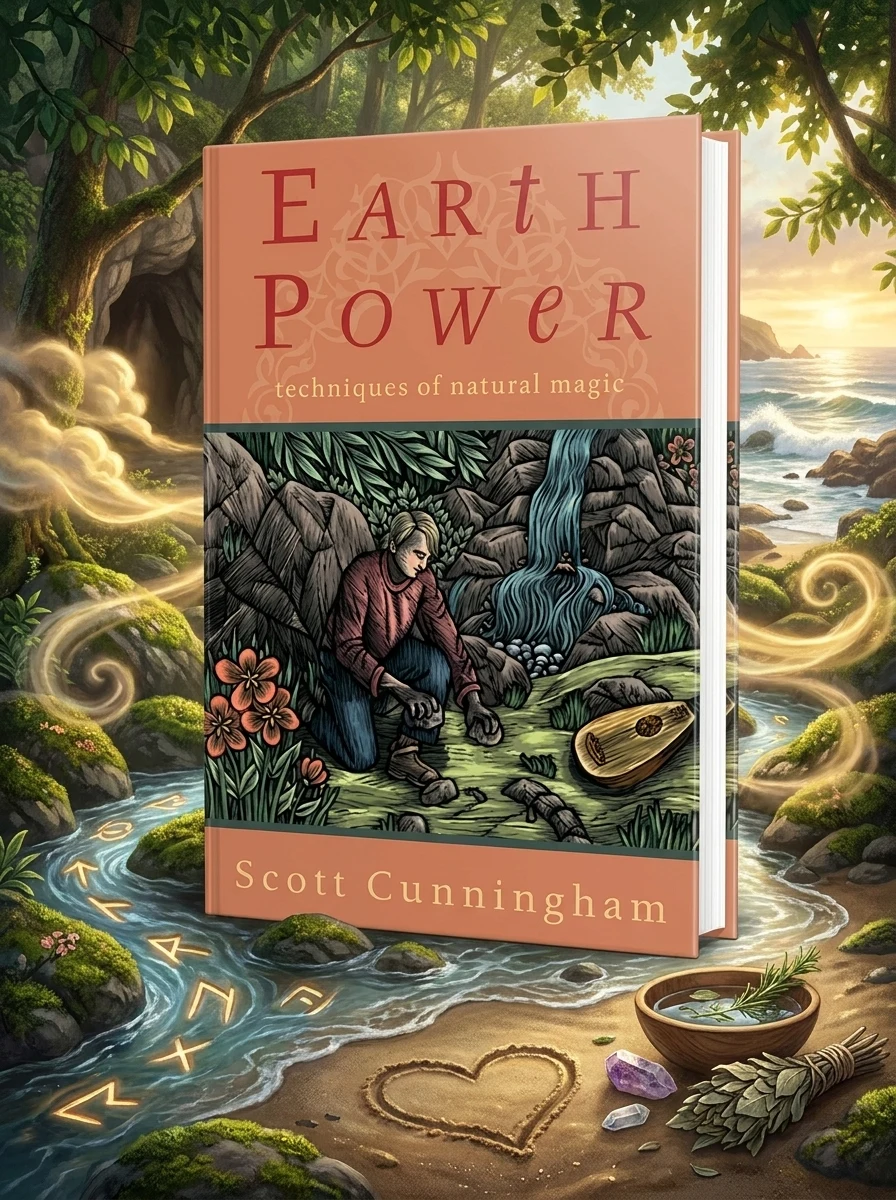
“A leaf from an oak tree...a wildflower...water from a sparkling stream...dirt from a cool dark cave--these are the age-old tools of natural magic.”
“Born of the earth, possessing inherent power, they await only our touch and intention to bring their magical qualities to life.”
📜 Historical context
📚 Glossary
- Elemental Magic
- Solitary Practitioner
- Natural Conduits
📔 Questions to reflect on
- Which element resonates most strongly with your current emotional state, and how might you honor it through a simple ritual?
- Describe a specific natural object you encounter daily. What hidden properties or symbolic meanings could you assign to it for magical use?
- Reflect on a recent challenge in your life. How might the energy of one of the four elements have provided a different perspective or solution?
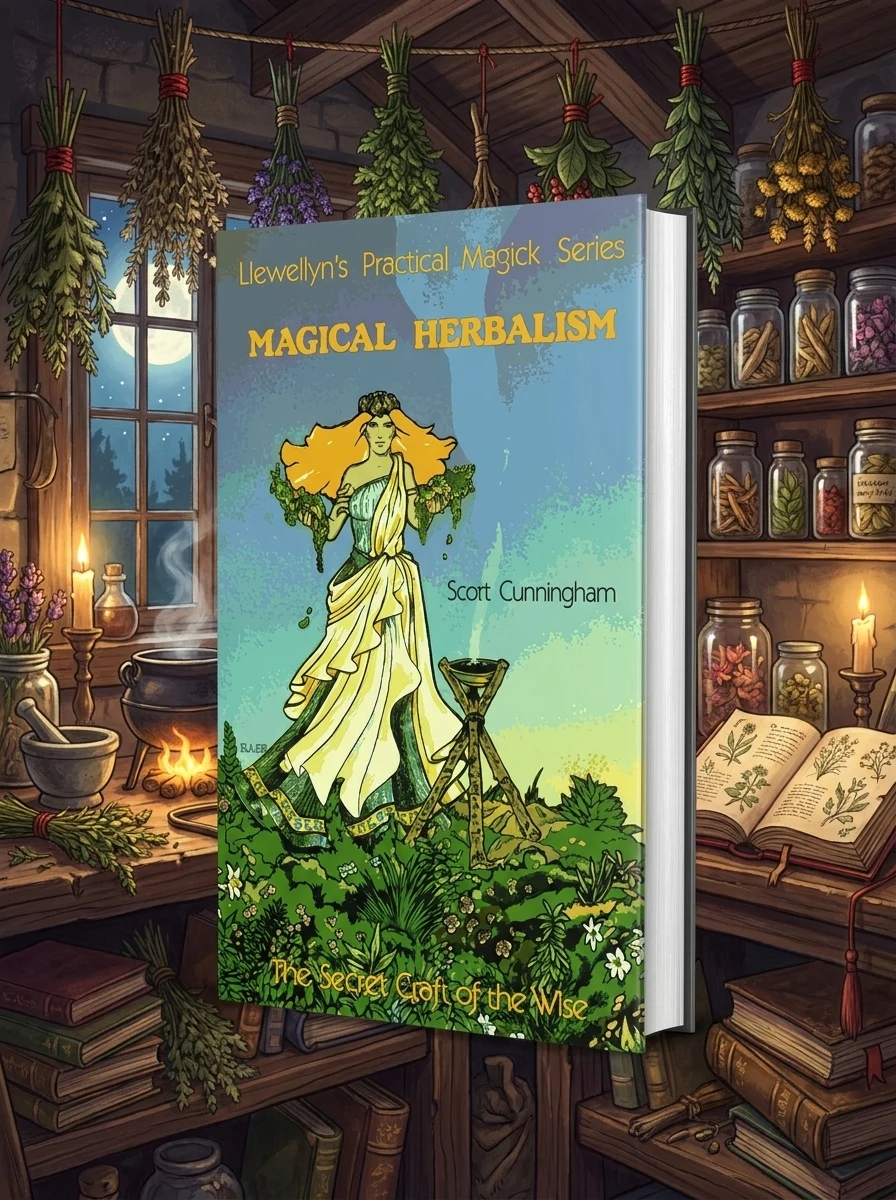
📖 From the series “Llewellyn's Practical Magick”
All books in the series →
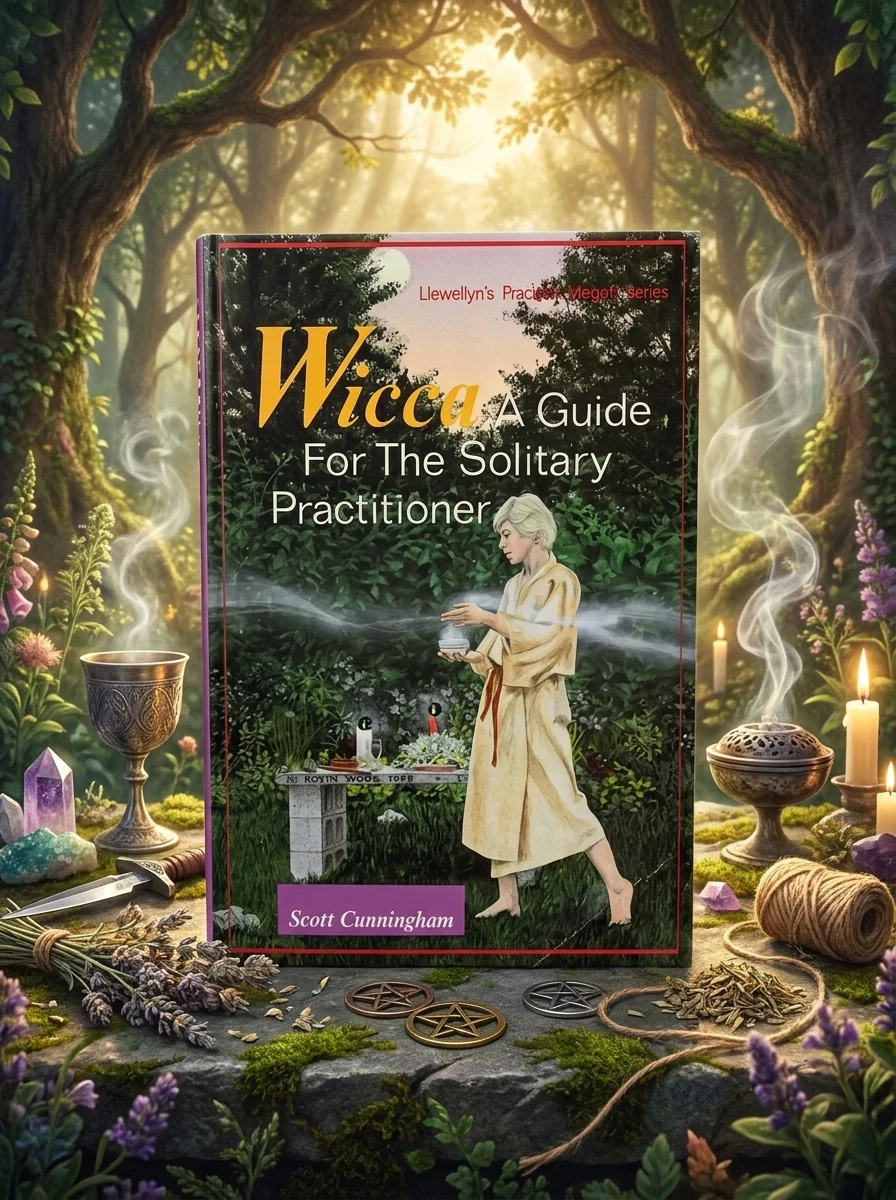
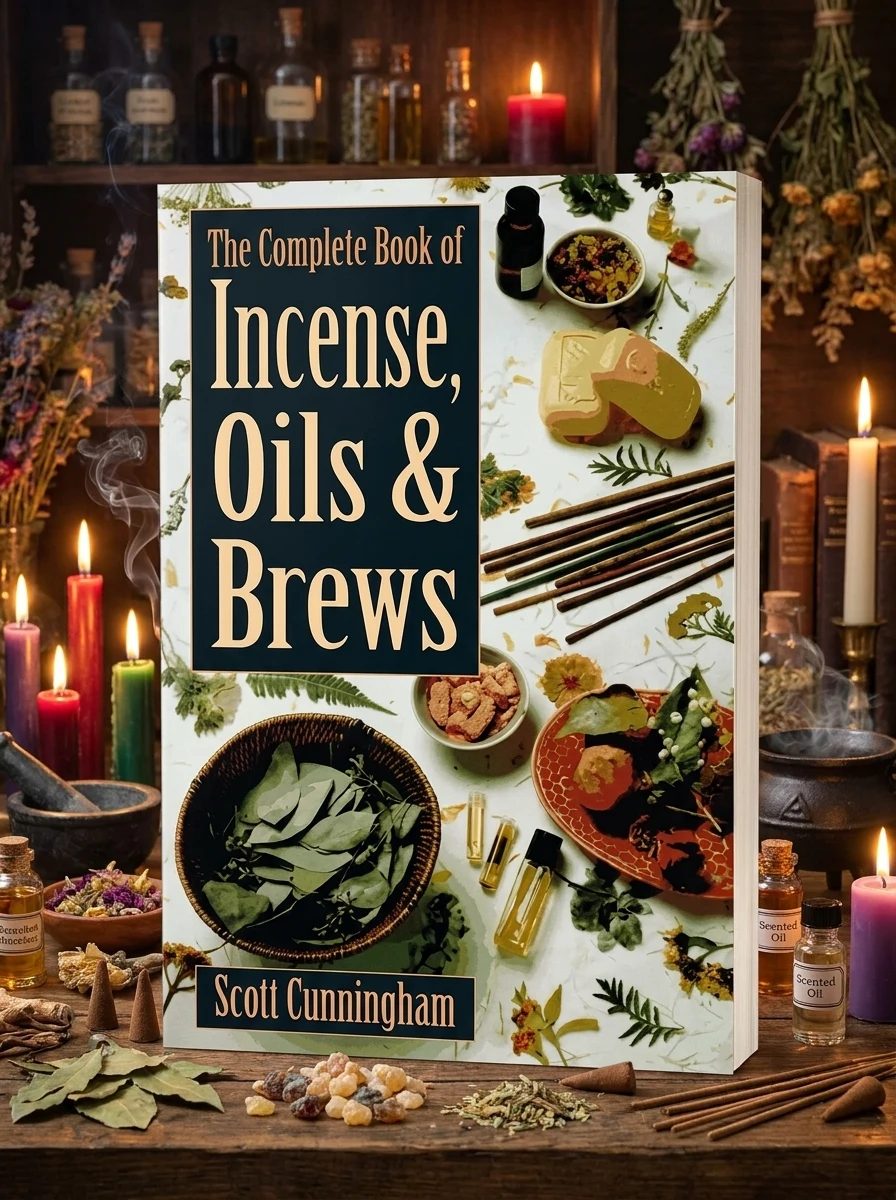
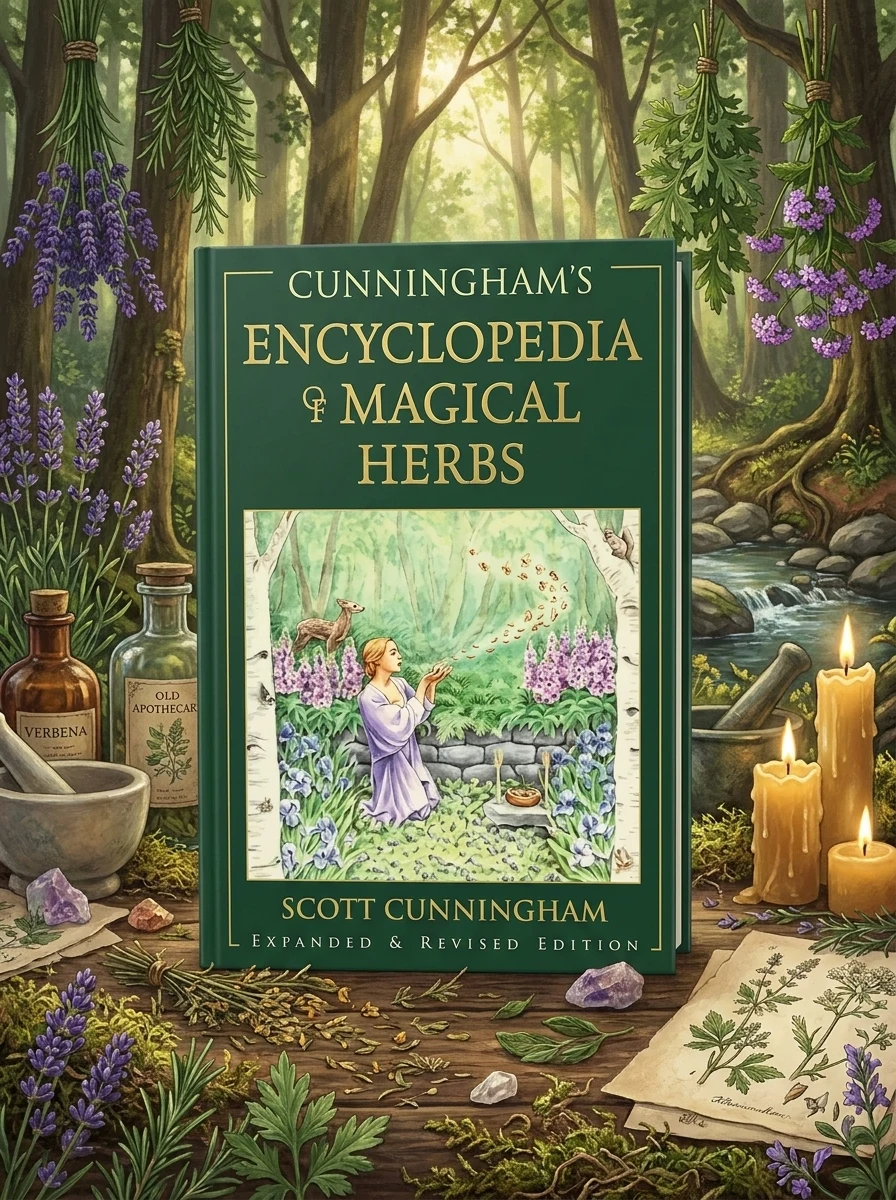
✍️ More books by this author Cunningham, Scott
All books by this author →

🏛 Books from this publisher Llewellyn Publications
All books from this publisher →

 89
89



You might also like
See more →