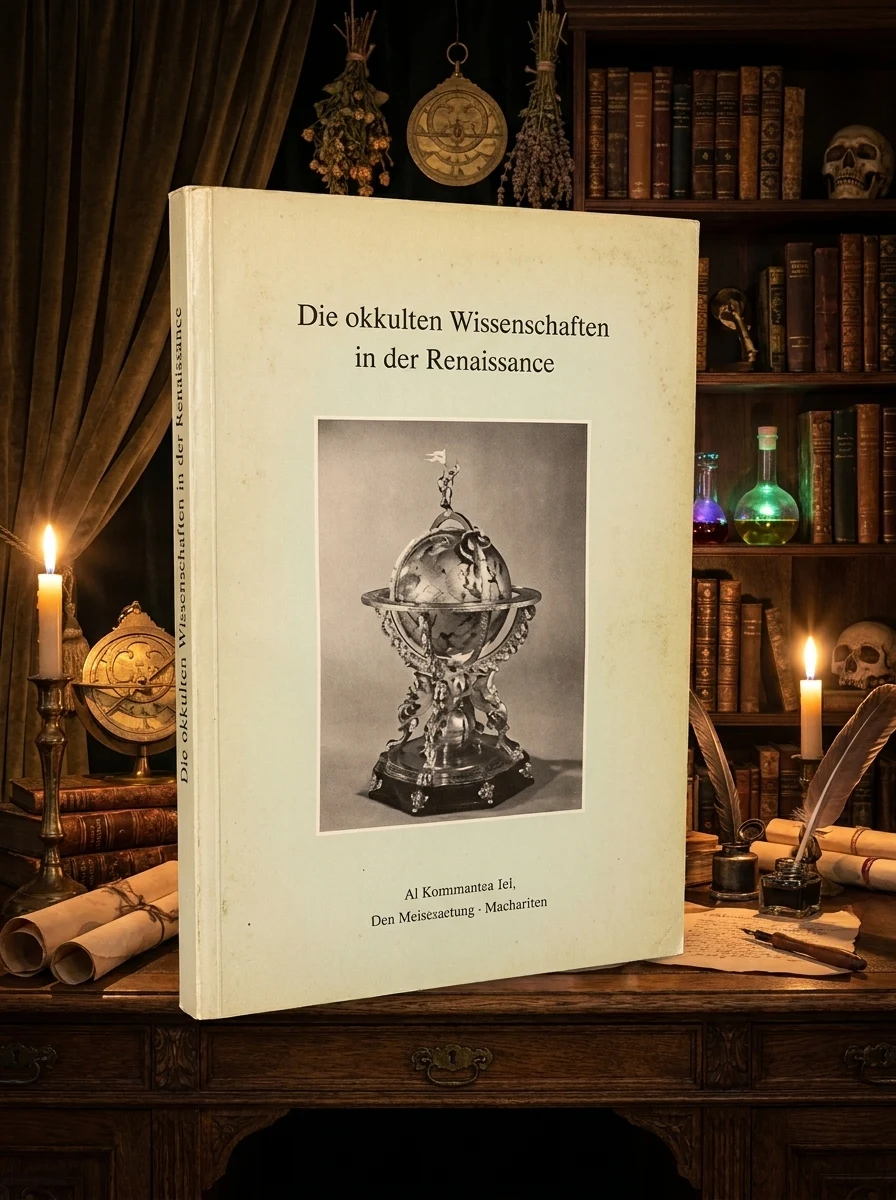
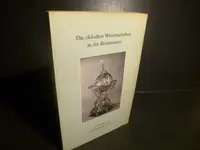
Die Okkulten Wissenschaften in Der Renaissance Buck, August
This edition can be ordered. No arrival date is confirmed.
Uncover the hidden currents of magic and knowledge that shaped the Renaissance mind.
August Buck's profound work delves into the intricate relationship between esoteric traditions and the burgeoning scientific inquiry of the European Renaissance. This volume explores how disciplines like astrology, alchemy, and various forms of divination were not merely fringe beliefs but integral components of the era's intellectual landscape. It meticulously examines how philosophers, scholars, and early scientists grappled with a holistic worldview where the mystical and the empirical often converged, revealing a period far more complex and interconnected than modern classifications suggest. A vital read for understanding the true spirit of Renaissance thought.
This work situates itself within the rich tapestry of Renaissance intellectual history, specifically exploring the intersection of esoteric traditions and early scientific inquiry. It highlights how magic, astrology, and alchemy were not fringe beliefs but integral components of the era's holistic worldview.


📝 Description: Die Okkulten Wissenschaften in Der Renaissance Buck, August
💎 Expert review
📖 Why choose it
Why this book is worth reading
This book is essential for scholars and enthusiasts who seek to dismantle the modern dichotomy between science and mysticism. August Buck offers a profound lens through which to view the Renaissance mind, revealing how philosophers and early scientists grappled with a unified intellectual landscape where the mystical and empirical converged. Readers interested in the true spirit of Renaissance thought will find immense value in understanding how divination and alchemy served as vital tools for knowledge rather than mere superstition. It provides a nuanced perspective on the complex interconnectedness of historical disciplines, making it a crucial resource for anyone wishing to comprehend the hidden currents that shaped European intellectual history during this pivotal period.
⭐ Reader reviews
Reader rating
August Buck delivers a meticulously examined exploration of how esoteric traditions fueled the burgeoning scientific inquiry of the European Renaissance. The text successfully argues that astrology and alchemy were integral to the era's intellectual landscape, challenging modern classifications that separate the mystical from the empirical. However, readers seeking straightforward historical narratives or accessible pop-science explanations may find this work dense and overly academic. It is not suitable for those who prefer clear-cut distinctions between magic and science or those uninterested in deep philosophical analysis. This volume demands patience and a willingness to engage with complex historical contexts, rewarding only those prepared to dive into the intricate relationship between early scientific thought and hidden knowledge systems.
❓ Frequently asked questions
📖 Who should read this
If you're fascinated by the intellectual tapestry of the Renaissance, curious about the origins of scientific thought, or keen to understand how magic and mysticism shaped early modern Europe, this scholarly exploration will illuminate a crucial, often misunderstood, chapter in history. Prepare for a deep dive.
🎯 Key themes and symbolism
Renaissance Esoteric Thought
Explores the vibrant intellectual climate of the Renaissance, where ancient wisdom traditions and magical philosophies found fertile ground. This theme delves into how scholars, artists, and thinkers engaged with disciplines like astrology, alchemy, and hermeticism, integrating them into their broader philosophical and scientific inquiries, often blurring the lines between reason and revelation.
Occultism's Scientific Roots
Examines the often-overlooked connections between Renaissance occult practices and the nascent scientific methods. It illuminates how figures pursuing alchemy or astrology were simultaneously engaged in observation, experimentation, and systematic knowledge-gathering, laying foundational groundwork for later scientific revolutions. This theme challenges modern distinctions, revealing a period where empirical study and mystical understanding were intertwined.
Religion and Mysticism
Investigates the complex relationship between Renaissance religious beliefs and various occult practices, including what might be termed 'cultic' or heterodox spiritual expressions. This book sheds light on how magical systems were sometimes viewed as paths to divine understanding or as ways to interact with spiritual forces, often existing in a tense but undeniable dialogue with established Christian doctrines of the era.
💬 Quotes from the book
“The Renaissance intellectual did not perceive a stark dichotomy between empirical observation and the symbolic interpretations of the cosmos; rather, these modes of inquiry often informed and enriched one another.”
“Far from being mere superstition, the occult sciences offered a structured framework for understanding the hidden sympathies and antipathies governing the natural world, a framework often embraced by the era's most brilliant minds.”
📜 Historical context
📚 Glossary
- Hermeticism
- Renaissance Esotericism
- Proto-Science
📔 Questions to reflect on
- How might our modern understanding of 'science' be different if the occult traditions had remained central to academic inquiry?
- Considering the integration of magic and philosophy in the Renaissance, what contemporary fields or beliefs might we now dismiss as 'occult' but could hold future scientific insights?
- Reflect on how the search for hidden knowledge, whether through early scientific methods or esoteric practices, reflects a fundamental human desire for meaning and control.
You might also like
See more →
 91
91

 91
91
 91
91
 91
91