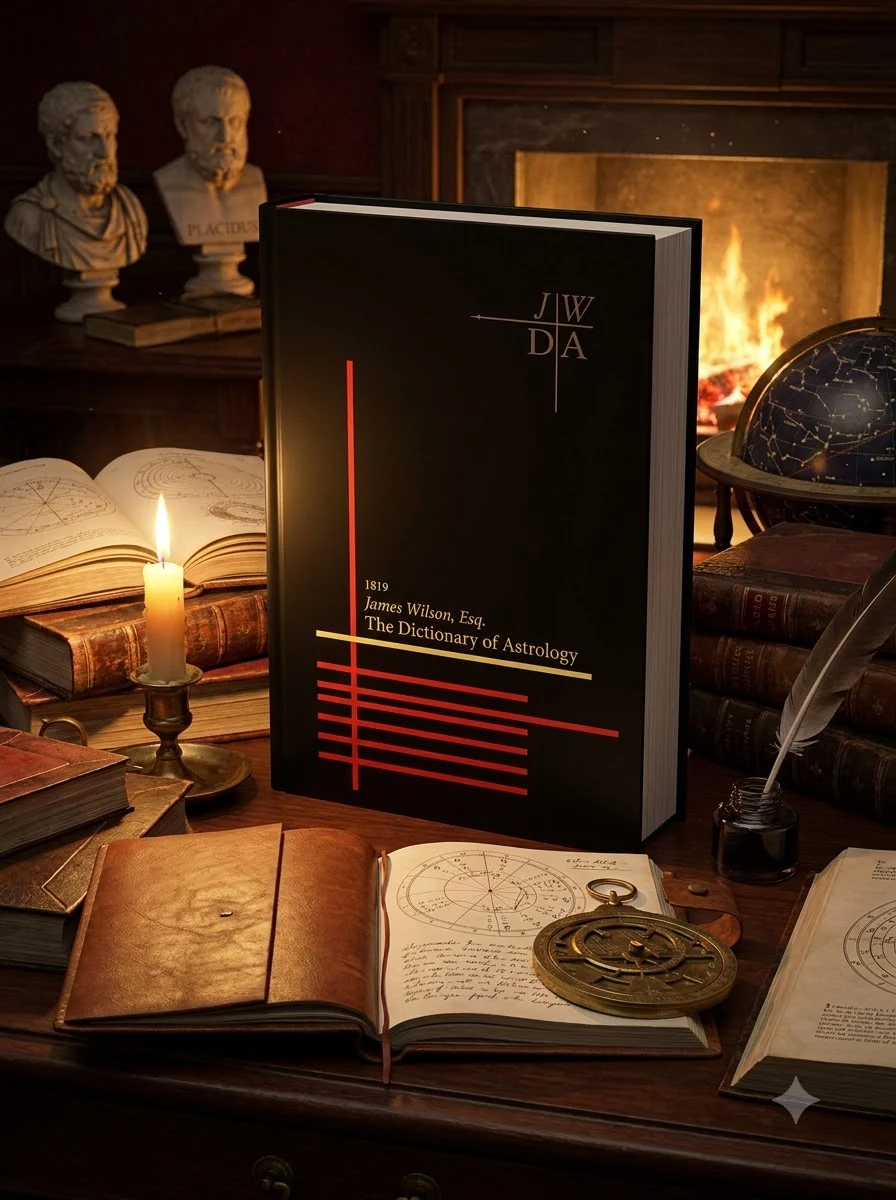
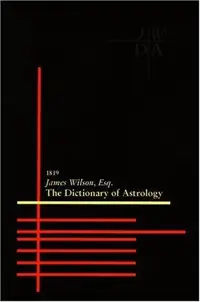
Dictionary of Astrology
Stock reported in the catalog; fulfillment is confirmed with your request.
Unearth the foundational wisdom of astrology through an eccentric 19th-century master's singular vision.
James Wilson’s 1819 “Dictionary of Astrology” stands as a pivotal work, meticulously synthesizing ancient astrological thought, primarily from Ptolemy and Placidus. Far from a mere compilation, Wilson imbued this volume with his distinctive, critical perspective, challenging students to rigorously examine established principles. His profound disdain for those who hoarded rare texts fueled his mission to democratize esoteric knowledge, making obscure insights accessible to all. The book presents a comprehensive overview of astrological concepts, carefully distinguishing verifiable truths from speculative theories, thereby encouraging independent interpretation and intellectual fortitude in cosmic study.
This work emerges from the early 19th-century esoteric revival, bridging classical astrological traditions with emerging democratic ideals. It reflects a period where occult knowledge was shifting from exclusive aristocratic circles toward broader intellectual accessibility.


📝 Description: Dictionary of Astrology
💎 Expert review
📖 Why choose it
Why this book is worth reading
Readers seeking a rigorous, no-nonsense approach to astrological theory will find immense value in this text. It is ideal for those who wish to strip away the clutter of speculative mysticism and focus on verifiable principles derived from foundational masters like Ptolemy. If you are tired of hoarded secrets and prefer an eccentric yet clear-eyed mentor who democratizes esoteric wisdom, this book offers intellectual fortitude. It challenges you to examine established rules critically rather than accepting them blindly. For the independent thinker who desires a comprehensive overview that distinguishes truth from fiction, this volume provides the essential tools for cosmic study without unnecessary obscurity.
⭐ Reader reviews
Reader rating
Wilson’s dictionary is a formidable resource for the serious student of astrology, offering a critical synthesis of ancient thought that demands active engagement. However, it does not suit casual hobbyists seeking quick horoscope answers or those who prefer mystical vagueness over rigorous examination. The text’s disdain for hoarding may alienate traditionalists who value exclusive lineage over accessible knowledge. Furthermore, readers expecting modern psychological interpretations will find the focus firmly on classical verification and speculative theory distinction. It is a demanding read that rewards patience with clarity but rejects those unwilling to cultivate intellectual strength in their cosmic studies.
❓ Frequently asked questions
📖 Who should read this
For the discerning student of traditional astrology yearning for a deeper, more critical engagement with its roots. If you appreciate historical texts, value intellectual honesty, and seek to build your understanding on robust foundations rather than dogma, this indispensable guide awaits your careful study.
🎯 Key themes and symbolism
Challenging Astrological Assumptions
Wilson's primary goal was to provoke students into scrutinizing the very foundations of astrological practice. He didn't just present information; he urged readers to question established tenets and develop their own reasoned understanding, fostering intellectual rigor in the pursuit of cosmic knowledge, rather than blind acceptance of dogma.
Knowledge for All
Deeply critical of those who hoarded rare texts, Wilson aimed to distill the essence of scarce astrological works into one accessible volume. His mission was to liberate ancient wisdom from the clutches of avarice, ensuring that vital esoteric insights were available to all earnest seekers, not just a privileged few, thereby democratizing learning.
Ptolemaic & Placidean Foundations
The dictionary draws heavily upon the foundational works of astrological giants like Ptolemy and Placidus. Wilson meticulously synthesized their complex systems, offering a distilled yet comprehensive guide. He provided a crucial bridge to classical thought, allowing modern students to engage directly with the historical pillars of the astrological science, enriching their understanding.
💬 Quotes from the book
“If I had any motive more prominent than the rest (beyond promoting the cause of truth, which, I trust, will always be the principal) for publishing this work, it was a desire to injure those harpies who gather together scarce books of science, and hide them from the perusal of mankind, merely for the sake of gain...”
“...that every student may be enabled to found his own conviction on the most solid basis, and not be guided by the capricious dogmas of others, nor be hurried away by the enthusiasm of unmeaning conjecture.”
📜 Historical context
📚 Glossary
- Ptolemy
- Placidus
- Harpies
📔 Questions to reflect on
- How might Wilson's critique of 'harpies' resonate with modern challenges in accessing specialized knowledge, particularly in esoteric fields?
- Consider Wilson's emphasis on distinguishing 'true' from 'false' within astrology. How do you, as a student, approach verifying astrological principles?
- Reflect on how your own astrological understanding is built. Are you founded on 'capricious dogmas' or 'solid basis,' as Wilson would ask?
🏛 Books from this publisher Astrology Classics
All books from this publisher →


 80
80



You might also like
See more →
 90
90


 88
88