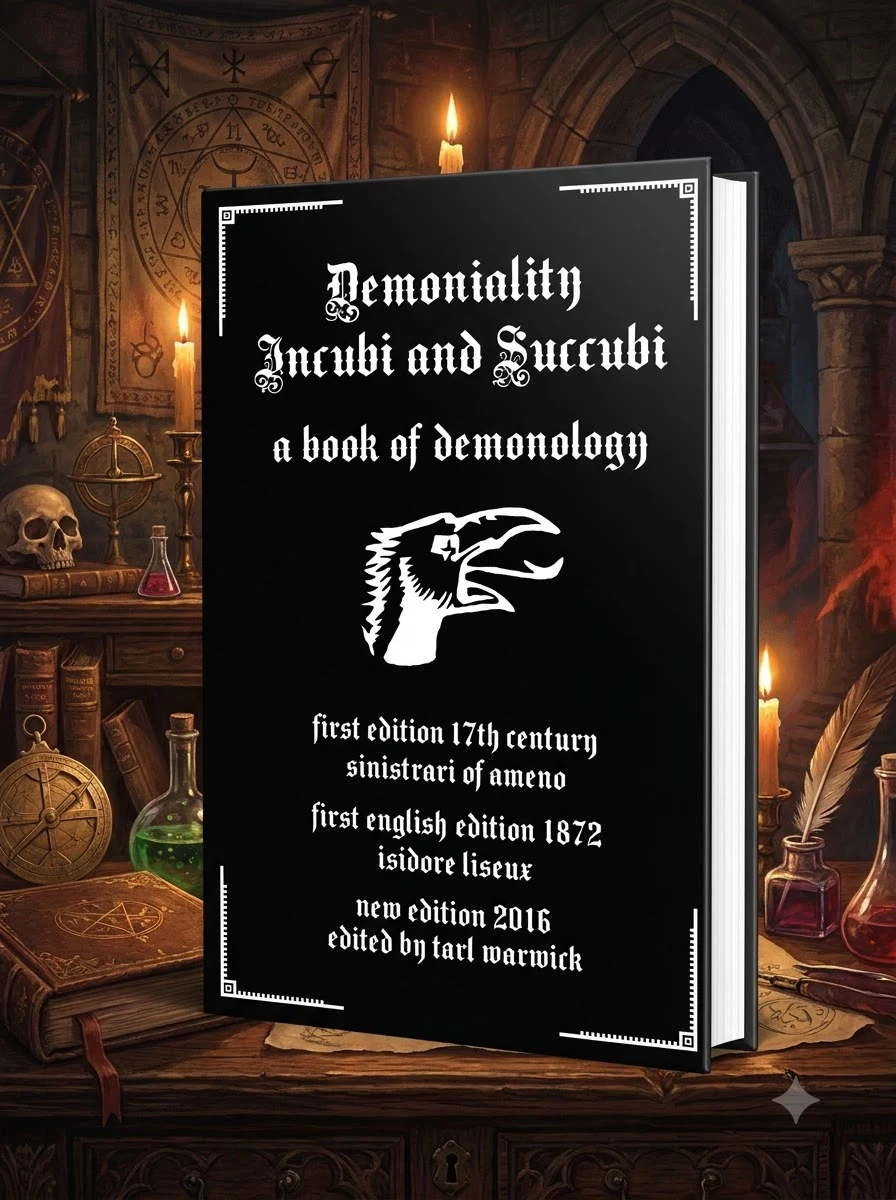
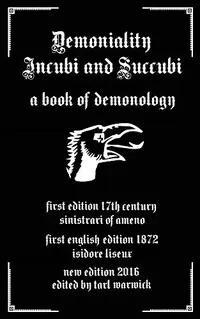
Demoniality: Incubi and Succubi: A Book of Demonology
Stock reported in the catalog; fulfillment is confirmed with your request.
Unveil the chilling Renaissance doctrines of demonic encounters and forbidden carnal spirits.
Delve into the profound Renaissance treatise by Father Sinistrari, meticulously exploring the intricate nature and behaviors of demons, specifically focusing on incubi and succubi. Originally penned in Latin during the waning years of the Renaissance, this significant work dissects their very composition, their subtle mannerisms, and their purported interactions with humanity. This English rendition, emerging in the late 1800s, offers a rare window into the theological and philosophical understandings of the demonic realm from a pivotal historical era.
This text serves as a vital artifact of Renaissance demonology, preserving the theological and philosophical frameworks regarding demonic entities from that pivotal historical era. It reflects the period's intense focus on the intersection of theology, philosophy, and the perceived reality of forbidden carnal spirits.


📝 Description: Demoniality: Incubi and Succubi: A Book of Demonology
💎 Expert review
📖 Why choose it
Why this book is worth reading
Scholars of esoteric history and enthusiasts of occult literature will find this volume indispensable for its rare insight into Renaissance doctrines. Readers seeking to understand the complex theological underpinnings of demonic encounters will appreciate Father Sinistrari’s meticulous exploration. It is ideal for those fascinated by the historical evolution of demonology, offering a direct window into how past eras conceptualized incubi and succubi. This work satisfies a deep academic and spiritual curiosity about the composition and behaviors attributed to these spirits.
⭐ Reader reviews
Reader rating
This treatise offers a profound, albeit dense, look into Renaissance demonology through Father Sinistrari’s eyes. While valuable for its historical specificity regarding theological understandings of demonic realms, it is not for casual readers seeking modern supernatural thrillers or simple narratives. Those expecting contemporary interpretations or fictionalized accounts will likely find this academic and philosophical analysis dry. It suits only those prepared to engage with waning Renaissance doctrines and intricate compositions of spirits without distraction from modern sensibilities.
❓ Frequently asked questions
📖 Who should read this
For scholars of occult history, demonology enthusiasts, and those fascinated by the intersection of theology and the supernatural, this seminal text offers unparalleled insight. It's an essential volume for anyone seeking a rigorous, historically grounded understanding of demonic entities from a Renaissance perspective.
🎯 Key themes and symbolism
Demonic Physiology & Being
Sinistrari meticulously dissects the non-corporeal yet perceptible nature of demons, exploring how these entities are composed and sustain their existence. He examines the theological debates surrounding their form and substance, offering a detailed framework for understanding their fundamental essence as spiritual beings capable of manifesting in the material world.
Incubi & Succubi Interactions
The treatise offers a deep dive into the specific dynamics of incubi and succubi, detailing their methods of engagement with mortals. It scrutinizes their alleged amorous encounters, their motivations, and the various theological and moral implications arising from such infernal liaisons, providing a rare glimpse into historical beliefs about demonic temptation.
Renaissance Demonological Thought
This work stands as a paramount example of late Renaissance demonology, reflecting the prevailing theological and philosophical anxieties of its time. It illuminates the intellectual climate where detailed classifications and understandings of the demonic were actively pursued, presenting a scholarly yet deeply superstitious perspective on the unseen forces influencing human life.
💬 Quotes from the book
“It is held that these spirits, though lacking true corporality, may yet coalesce a semblance of flesh from vapors and humors, thereby to enact their vile purposes upon the sleeping.”
“The insidious lure of the succubus is not merely carnal, but a subtle assault upon the soul, drawing mortals into sin and away from divine grace through their deceptive embraces.”
📜 Historical context
📚 Glossary
- Incubi
- Succubi
- Demonology
📔 Questions to reflect on
- How do historical theological views of demonic influence, as presented by Sinistrari, compare to contemporary understandings or dismissals of evil forces?
- In what ways might the detailed categorization of demons in this work reflect the societal anxieties and moral frameworks prevalent during the Renaissance era?
- Consider the implications of believing in physical demonic interaction: how would such a belief influence personal morality, legal systems, or even scientific inquiry in that period?
🏛 Books from this publisher Createspace Independent Publishing Platform
All books from this publisher →


You might also like
See more →


 89
89