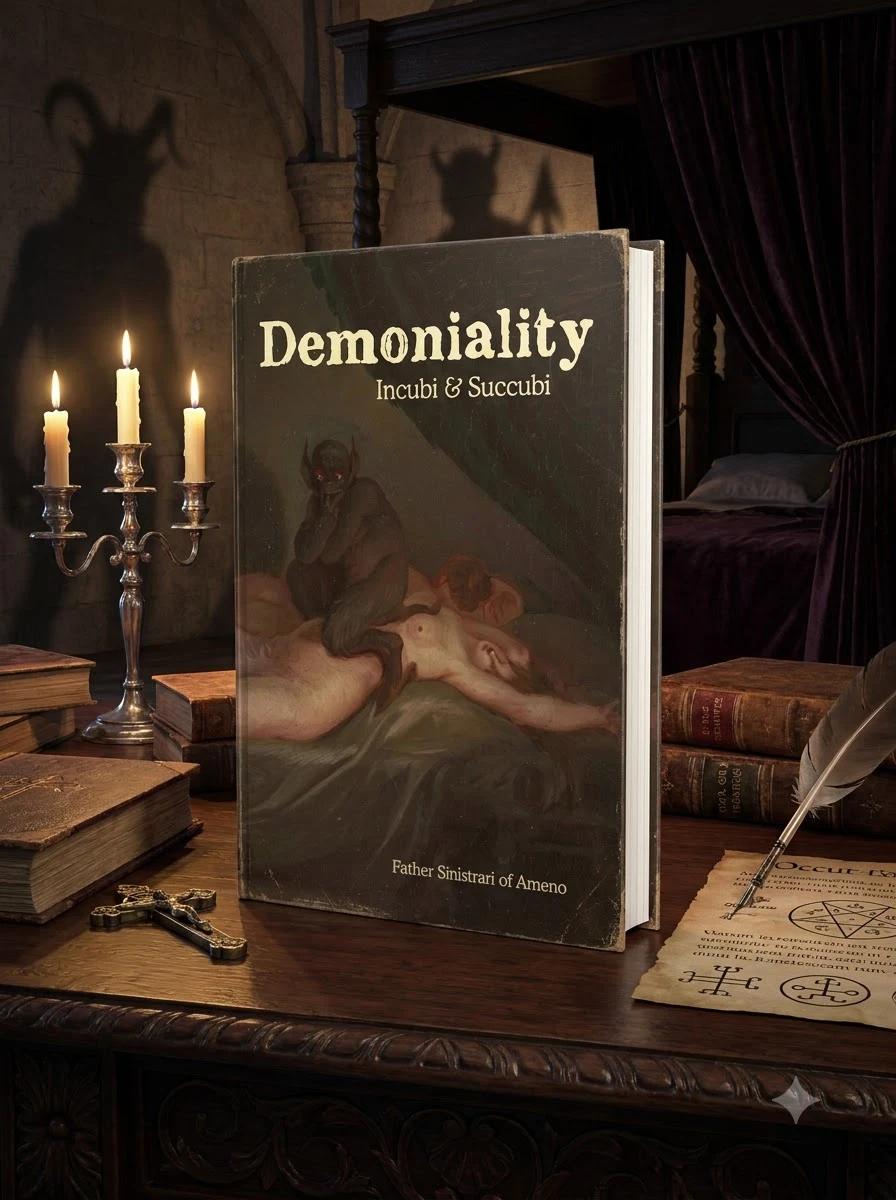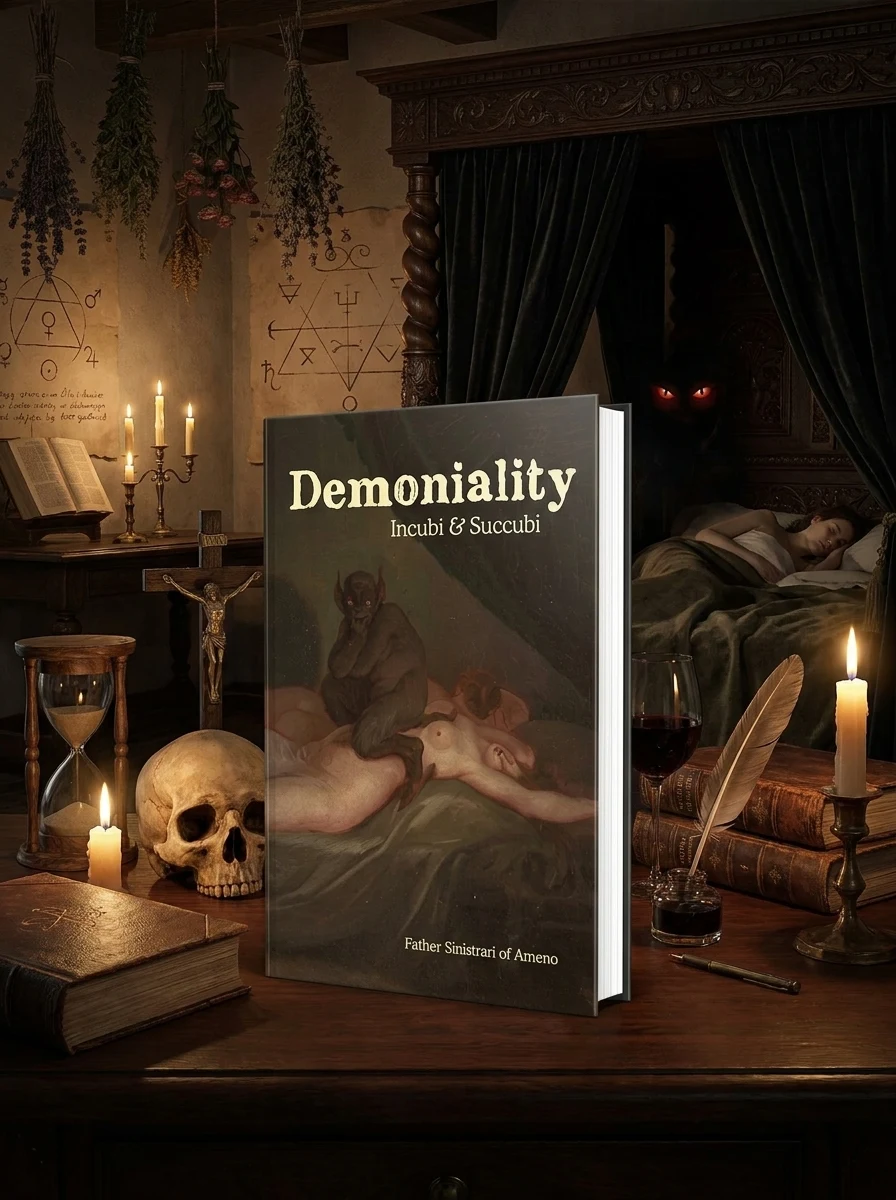
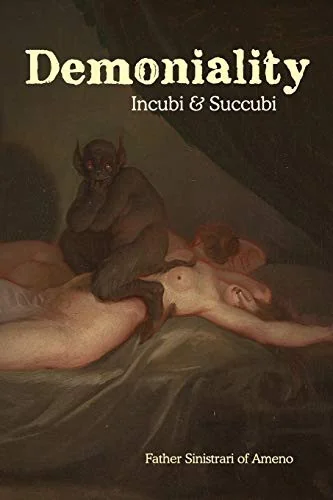
Demoniality
✍️ Sinistrari, Ludovico Maria; , Summers, MontagueStep into the mind of Father Sinistrari, a prominent 17th-century theologian and exorcist, as he meticulously dissects the phenomena of incubi and succubi. This profound treatise moves beyond conventional demonology, exploring the physical characteristics and reproductive capabilities of these lesser spirits. Sinistrari employs deductive reasoning to unravel their corporeal nature, their capacity for reanimating the dead, and the bizarre genetics of their offspring. It's a fascinating glimpse into a historical understanding of spiritual seduction and the very real fears it inspired.


📝 Description: Demoniality
💎 Expert review
📖 Why choose it
Why this book is worth reading
Readers fascinated by the intersection of theology and early scientific deduction will find this treatise indispensable. Father Sinistrari’s meticulous dissection offers a unique window into how 17th-century minds grappled with the physical realities of demonic desire. Those interested in the evolution of esoteric thought, particularly regarding incubi and succubi, will appreciate the author's use of deductive reasoning to explain spiritual phenomena. It is essential for scholars seeking to understand the historical fears surrounding spiritual seduction and the bizarre genetics attributed to these entities. This book provides a profound glimpse into a time when the boundary between the spiritual and the biological was fiercely debated by prominent exorcists and theologians.
⭐ Reader reviews
Reader rating
While Sinistrari’s work offers a fascinating, albeit disturbing, look at 17th-century occult biology, it is not for everyone. Readers seeking modern, metaphorical interpretations of mythology or those easily disturbed by detailed discussions of demonic reproduction may find the content excessively graphic or antiquated. The text assumes a familiarity with theological frameworks that might alienate casual readers. Furthermore, its dense, deductive style requires patience and an appreciation for historical rigor rather than narrative flair. It is best suited for academic researchers or dedicated historians of esotericism who value primary source analysis over entertainment. Casual enthusiasts of horror fiction should look elsewhere, as this is a serious theological treatise, not a work of imaginative fiction.
❓ Frequently asked questions
📖 Who should read this
If you're fascinated by the history of demonology, the intersection of theology and the occult, or the unique perspectives of 17th-century scholars, this book offers an unparalleled intellectual journey. Prepare for a deep dive into the arcane mechanics of the spirit world.
🎯 Key themes and symbolism
Occult Biology of Demons
Sinistrari offers groundbreaking theories on the physical nature of spirits, contemplating their mass and porosity. He posits that demons can reanimate corpses for intercourse and impregnate mortals, leading to the birth of exceptionally formidable and malevolent progeny, challenging conventional biological understanding with supernatural explanations.
Incubi and Succubi
The core of this work delves into the specific class of minor demons known for their sexual assaults during sleep. Sinistrari describes their relentless pursuit of carnal gratification and their potential for violence when resisted, providing a detailed theological and practical guide to understanding and identifying these nocturnal tormentors.
Sin, Witchcraft, and Spirits
Beyond sexual demons, the author broadens his scope to include an array of related phenomena. He examines bestiality, necrophilia, and the binding nature of demonic pacts, alongside the darker practices of witchcraft, witches' marks, devil worship, and the surprising inclusion of magical beings like fauns and centaurs within his spiritual framework.
📜 Historical context
📚 Glossary
- Incubus/Succubus
- Demonic Pacts
- Occult Biology
📔 Questions to reflect on
- How does Sinistrari's deductive reasoning about demons compare to modern scientific inquiry into unexplained phenomena?
- Reflect on the societal fears and moral anxieties of the 17th century that might have fueled the detailed study of sexual demons and witchcraft.
- Consider how Sinistrari's inclusion of magical beings like fauns and centaurs within a theological framework challenges or expands traditional notions of demonology.