US shipping Secure card payment Thousands of titles
👤 Sign in

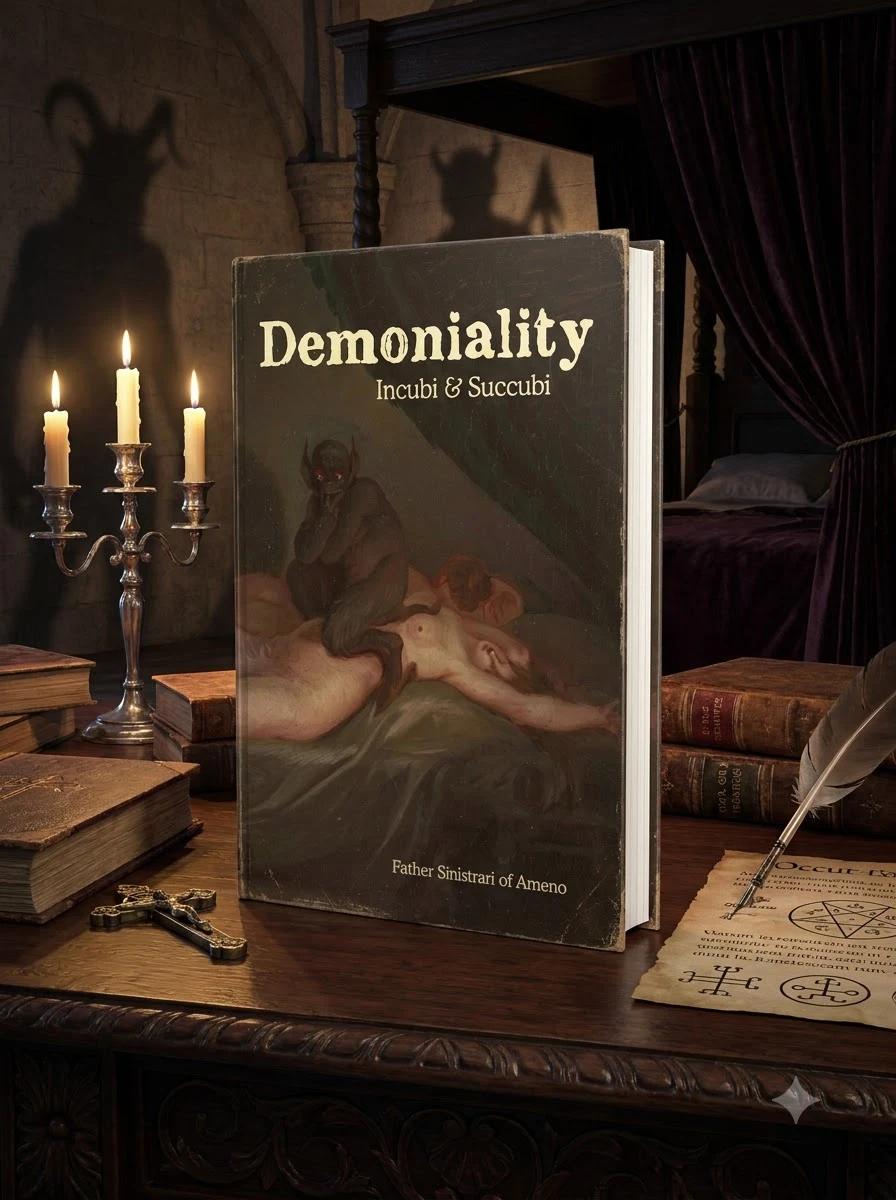
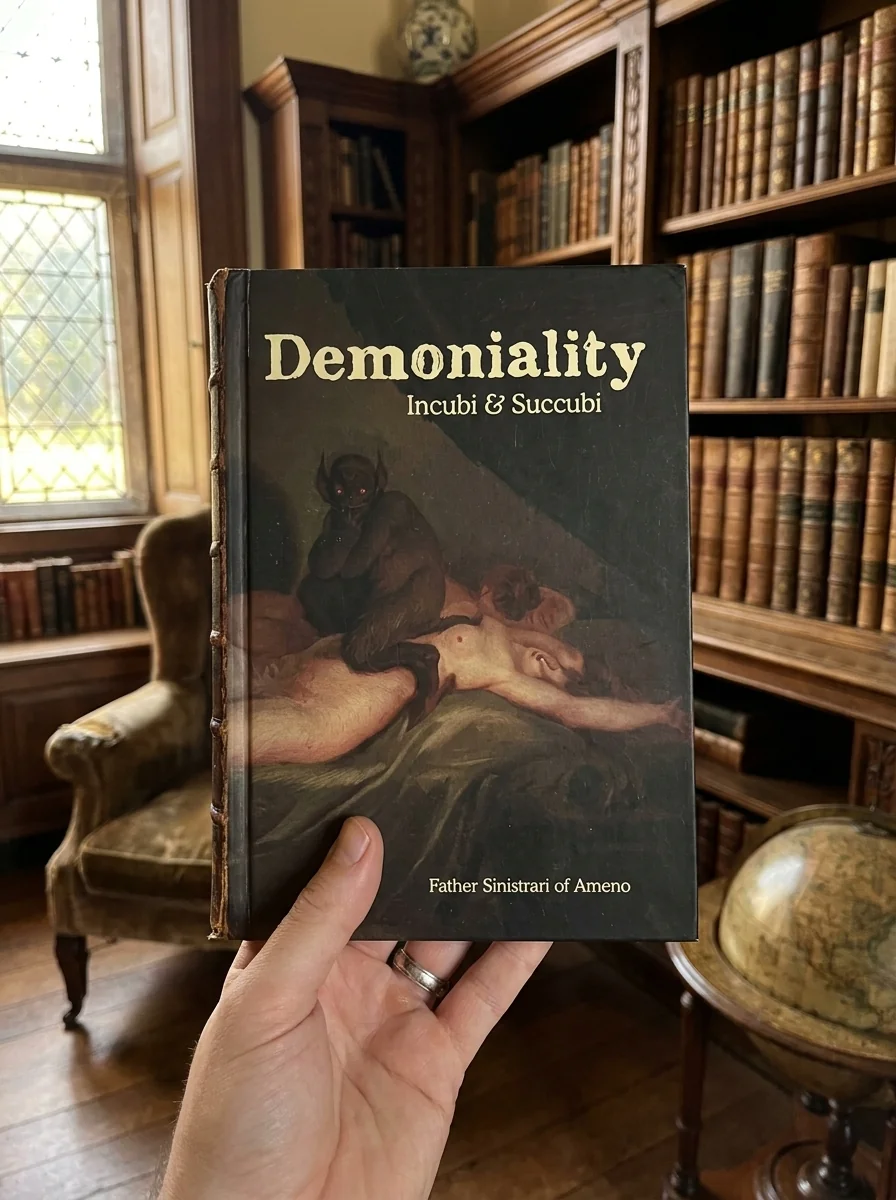
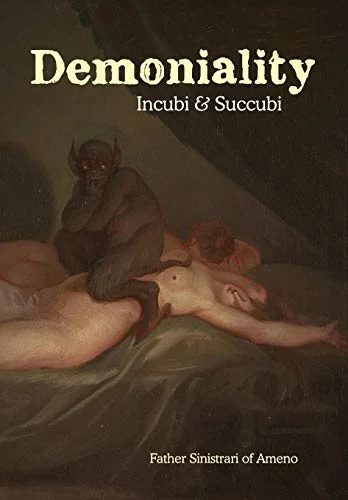
Demoniality

✍️ Sinistrari, Ludovico Maria; , Summers, Montague
18 $
📚 ABOUT THE BOOK

Unearth a 17th-century priest's shocking treatise on demonic desires and occult biology.

Step into the mind of a 17th-century Franciscan friar as he meticulously dissects the salacious world of incubi and succubi. Father Sinistrari, a respected theologian and exorcist, offers a startlingly detailed exploration of these lesser demons, infamous for their sexual predations. This treatise delves into their relentless pursuit of human intimacy, their capacity for violence, and even proposes radical theories on demonic physiology, including their ability to animate corpses and father monstrous offspring. It's a fascinating, if unsettling, look at spiritual warfare through a unique lens.

Key themes
{'title': 'Infernal Desire and Predation', 'body': 'Sinistrari dedicates significant attention to the lustful nature of incubi and succubi, detailing their nocturnal assaults on humans. He explores the distinction between these minor demons and more dangerous possessing entities, highlighting their singular focus on carnal interaction and the potential for aggression when their advances are rebuffed.'} {'title': 'Demonic Physiology Unveiled', 'body': 'The author presents groundbreaking, albeit unsettling, theories concerning the physical capabilities of demons. He postulates their porous material existence, allowing for spectral movement, and controversially suggests their ability to reanimate deceased bodies for sexual purposes, even theorizing the creation of hybrid human-demonic progeny through unholy unions.'} {'title': 'Scholastic Demonology Defined', 'body': 'As a learned Franciscan, Sinistrari approaches the study of demons with a rigorous, deductive methodology. He grapples with fundamental questions about their essence, such as their material composition and ability to interact with the physical world, applying theological and philosophical principles to understand the supernatural realm.'}
🏛 Quick Time Press 📅 2019 📖 50 pages 📔 Hardcover 📐 Hardcover ISBN: 9781946774606
In stock — ready to ship
Fun fact
Sinistrari’s *Demoniality* stands as a unique intellectual exercise within historical demonology. Its strength lies in the author's meticulous, scholastic approach to classifying and understanding spiritual entities, offering theories that are both shocking and thought-provoking. However, those expecting a practical grimoire or a sensationalized horror narrative might find its academic rigor somewhat dry. It's an indispensable volume for understanding the theological underpinnings of 17th-century occult thought, showcasing a fascinating intersection of faith and the infernal.

📝 Description: Demoniality

This 17th century treatise on demonology, written by the respected theologian, Catholic priest, and exorcist, Rev. Father Sinistrari, examines a particular class of spirits known as the incubus and succubus. These minor demons crave sex and often attack their victims while they sleep. Though incubus and succubus are considered less dangerous than possessing demons, they can be relentless in pursuit of their desire and grow violent when resisted. Demoniality advances novel theories about occult biology, claiming demons can reanimate corpses to have sex and impregnate victims with demonic seed to produce offspring who are "tall, hardy, bold and wicked." An expert on witchcraft and sexual sin, Rev. Father Sinistrari included sections on related phenomena, including: bestiality, necrophilia, demonic pacts, witchcraft, witches' marks, devil worship and magical beings such as fauns, centaurs and elves. Father Sinistrari was a learned Franciscan Friar who used deductive reasoning to examine the characteristics of the spirit world. For example, do demons have mass? He concludes they do, but determines they are porous-allowing for their supernatural feats of passing through objects and appearing from nowhere. He also classified the demonic spirits by their actions, explaining that some seek out corrupt pacts with witches or wizards, while others are parasitic and indiscriminately attack the innocent. As a primer on demonic behavior, Demonality is extremely detailed. Father Sinistrari was schooled in the sciences of the time, including herbalism, alchemy, elements, humors and the symptoms of witchcraft-even serving as an advisor to the notorious Inquisition. Because of this, he focuses on diagnoses and remedies to expel the pests, using his alchemical knowledge to devise herbal formulas for countering a demon's specific elemental nature. These elaborate herbal recipes are similar to the elixirs found in a magician's grimoire or a witch's book of shadows. The title of the book is a play on the word bestiality, which conveys Father Sinistrari's belief that copulating with demons is, similarly, a sinful act and a crime. But while incubus and succubus are spirits doing evil deeds, Father Sinistrari is not dismissive of their salvation. He advances the theological argument that these minor demons have souls, and can be saved from damnation. He distinguishes them from the more vulgar type that tend to possess humans in terrifying displays. As proof, he shows how this latter class of demon greatly fears religious relics, while incubus and succubus do not object when in their presence: clear evidence, according to Sinistrari, that they are not damned, but are likely in limbo. As a prominent exorcist of his time, Father Sinistrari encountered victims of demonic activity on a regular basis. Many of the afflicted were, ironically, nuns and priests in the service of God or people under their care. In one story, a young maiden of noble birth is romantically pursued by a spirit that, out of frustration with her chastity, finally attacks her. Another story involves a nun who disappeared to her cell where two voices are heard along with groaning and the creaking of her bed. A rival nun drilled a hole through the partition and saw an attractive young man lying with her sister who mysteriously disappeared when the two were confronted. References to demonic attack were carved into stone four thousand years ago long before Jesus Christ, the greatest exorcist of them all, walked the earth. As Christianity took hold, encounters with these entities were often laid out in moral terms. Father Sinistrari took a different approach: applying reason to understand this curious phenomenon along with theology, history and science. The result is this interesting treatise.

⭐ Reader reviews

The starting rating comes from the team Esoterica Books — add yours →
⭐ Esoterica editorial review Editorial rating 4.7/5
★★★★
For readers fascinated by the historical intersection of theology, demonology, and sexual transgression, this work offers a unique window. Scholars of occult literature and those curious about the intellectual frameworks used to categorize supernatural entities will find Sinistrari's deductions…

Reader rating

Reviews yet. Be the first!

❓ Frequently asked questions

While written by an exorcist, this text is primarily a theological and philosophical examination of demonic nature, not a practical guide for banishment. It offers deep insight into the intellectual framework of 17th-century demonology.
Indeed. Beyond its central focus, Sinistrari expands his discussion to include related themes such as bestiality, necrophilia, demonic pacts, and even philosophical inquiries into the nature of magical beings like fauns and elves.

📖 Who should read this

For readers fascinated by the historical intersection of theology, demonology, and sexual transgression, this work offers a unique window. Scholars of occult literature and those curious about the intellectual frameworks used to categorize supernatural entities will find Sinistrari's deductions particularly enlightening.

🎯 Key themes and symbolism

Infernal Desire and Predation

Sinistrari dedicates significant attention to the lustful nature of incubi and succubi, detailing their nocturnal assaults on humans. He explores the distinction between these minor demons and more dangerous possessing entities, highlighting their singular focus on carnal interaction and the potential for aggression when their advances are rebuffed.

Demonic Physiology Unveiled

The author presents groundbreaking, albeit unsettling, theories concerning the physical capabilities of demons. He postulates their porous material existence, allowing for spectral movement, and controversially suggests their ability to reanimate deceased bodies for sexual purposes, even theorizing the creation of hybrid human-demonic progeny through unholy unions.

Scholastic Demonology Defined

As a learned Franciscan, Sinistrari approaches the study of demons with a rigorous, deductive methodology. He grapples with fundamental questions about their essence, such as their material composition and ability to interact with the physical world, applying theological and philosophical principles to understand the supernatural realm.

💬 Quotes from the book

«Though subtle and often unseen, it is undeniable that these infernal spirits possess a certain corporeal substance, however refined, allowing for their interactions with the material world.»

«From the vile congress of demon and mortal may spring a progeny of exceptional stature, marked by a formidable strength and an innate inclination towards wickedness.»

📜 Historical context

Composed in the 17th century, a period rife with religious fervor and anxieties about witchcraft, Sinistrari’s treatise emerged from the heart of Catholic scholastic tradition. It reflects an era where spiritual threats were taken literally and cataloged with theological precision, offering a unique perspective on demonic lore within a structured religious framework, distinct from earlier, more fear-driven accounts.

📚 Glossary

Incubus
Succubus
Demoniality

📔 Questions to reflect on

  1. How might Sinistrari's 17th-century understanding of spiritual threats compare with modern psychological interpretations of similar experiences?
  2. Consider the implications of Sinistrari's theories on demonic biology. How does defining demons as having physical properties alter the perception of their power and influence?
  3. Reflect on the societal anxieties about sin and sexuality in the 17th century that might have fueled the detailed study of incubi and succubi.
✍️ More books by this author Sinistrari, Ludovico Maria; , Summers, Montague

All books by this author →
Demoniality
Sinistrari, Ludovico Maria; , Summers, Montague
Demoniality
10 $

🏛 Books from this publisher Quick Time Press

All books from this publisher →
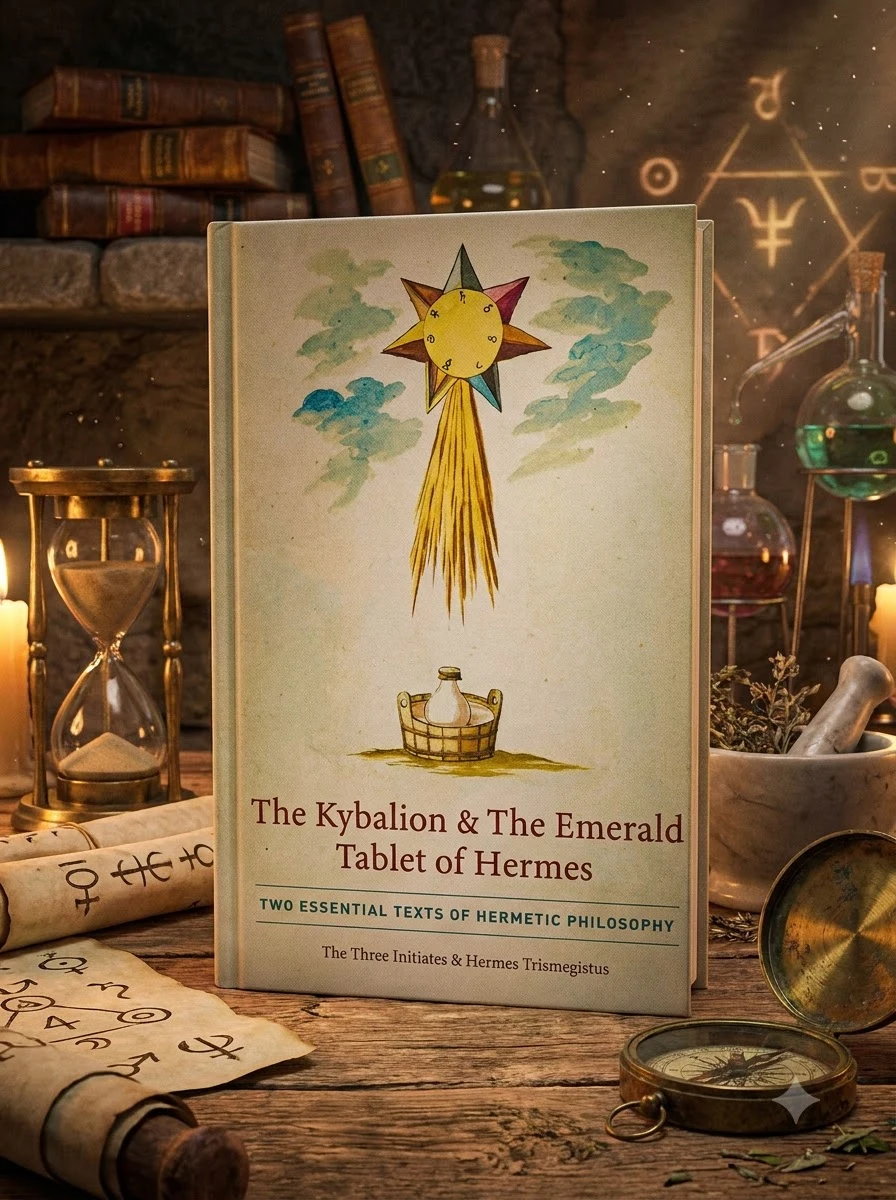
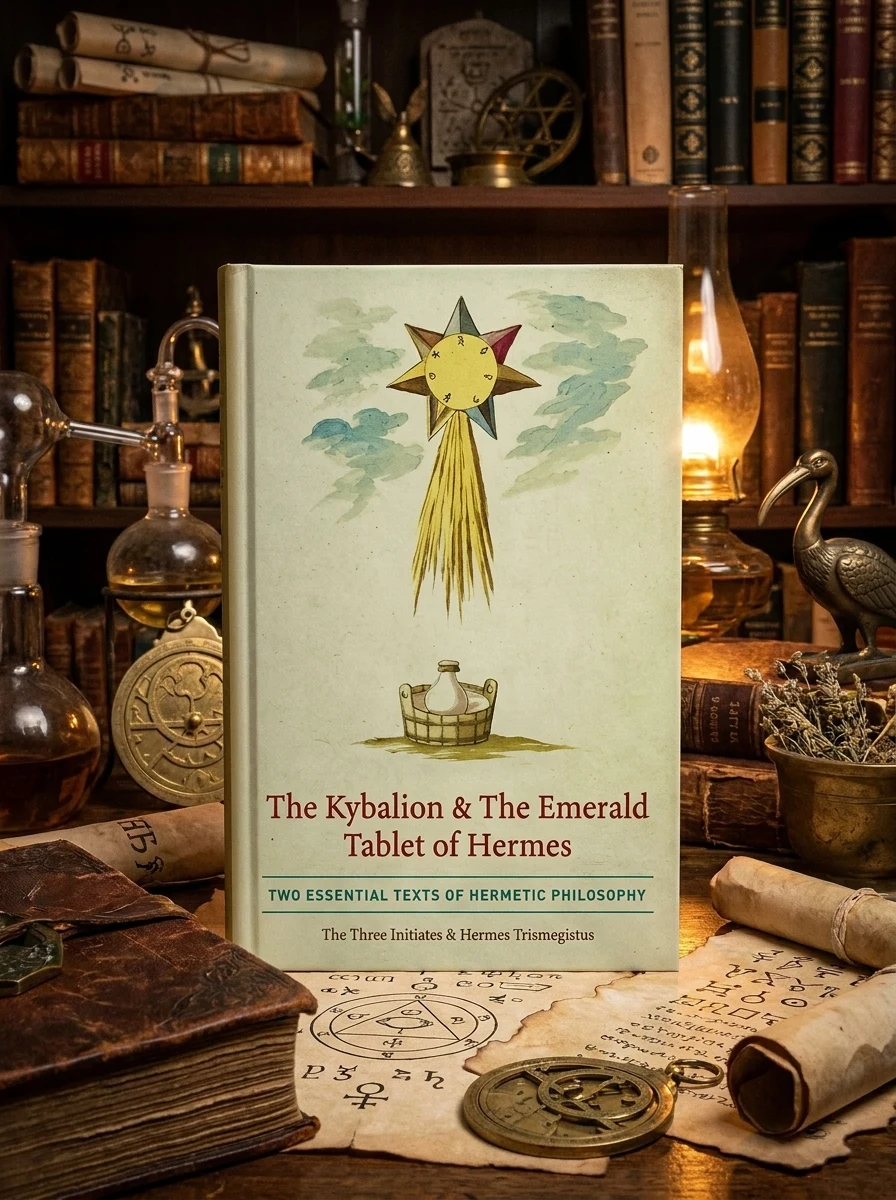
The Kybalion & The Emerald Tablet of Hermes: Two Essential Texts of Hermetic Philosophy
Three Initiates, The; , Trismegistus, Hermes
The Kybalion & The Emerald Tablet of Hermes: Two Essential Texts of Hermetic Philosophy
20 $
The Kybalion & The Emerald Tablet of Hermes: Two Essential Texts of Hermetic Philosophy
Three Initiates, The; , Trismegistus, Hermes
The Kybalion & The Emerald Tablet of Hermes: Two Essential Texts of Hermetic Philosophy
9 $
Demoniality
Sinistrari, Ludovico Maria; , Summers, Montague
Demoniality
10 $
Home Genres
Cart
Favorites
Menu
Esoterica Books Esoterica Books
Sign in or create an account Orders & favorites
Book genres Collections Bestsellers Deals and off What to read
Favorites Cart Track an order
Help
Chat with Esoterica Books Call us
Information
About us Shipping & payment Returns Terms Privacy Contact