

Demon Possession in Elizabethan England
Sands, Kathleen RStock reported in the catalog; fulfillment is confirmed with your request.
Unearth the chilling reality of demonic possession in Queen Elizabeth's England.
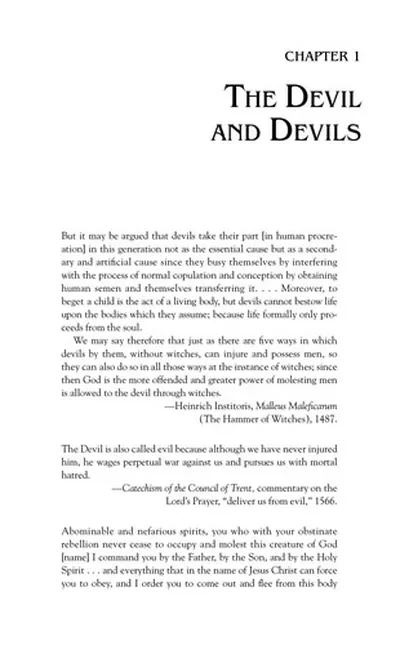
Step into the unsettling world of Elizabethan England, where spiritual affliction manifested in dramatic, physical ways. This compelling study meticulously chronicles eleven documented instances of supposed demon possession during Elizabeth I's reign. From the harrowing ordeal of Anne Mylner, enveloped by a mysterious cloud, to other diverse cases spanning all social strata, the book delves deep into the symptoms and societal interpretations. It provides crucial cultural insight, explaining why such diagnoses were not only plausible but often the only logical explanation for profound distress in a deeply devout, yet fearful, age.
This work sits at the intersection of historical theology and social history, exploring how early modern European societies interpreted mental illness through the lens of religious dogma. It reflects the intense spiritual anxiety characteristic of the Elizabethan era, where the boundary between divine grace and demonic influence was perilously thin.


📝 Description: Demon Possession in Elizabethan England
💎 Expert review
📖 Why choose it
Why this book is worth reading
Scholars of religious history and enthusiasts of early modern culture will find this book indispensable for understanding the psychological landscape of Elizabethan England. It offers a rare, grounded look at how profound distress was rationalized in a devout society. Readers interested in the intersection of faith, fear, and physical manifestation will appreciate the detailed chronicle of eleven specific cases. It provides essential context for why demonic diagnosis was the only logical explanation for many during this period. By examining victims from all social strata, it reveals the universal nature of these spiritual crises. This is not a sensationalist tale but a serious inquiry into historical mindset, making it vital for those studying the evolution of medical and spiritual thought in Western history.
⭐ Reader reviews
Reader rating
Sands provides a meticulous chronological account that serves as a valuable primary source analysis for academic researchers. However, readers seeking narrative thrill or supernatural horror will likely be disappointed by its dry, analytical tone. It is strictly a historical study, not a ghost story. The focus remains on societal interpretation rather than dramatic reenactment. Consequently, casual readers expecting vivid storytelling may find the pace slow and the content overly academic. It suits those who want to understand the 'why' behind the hysteria, not those looking for entertainment. It is a scholarly resource first and foremost.
❓ Frequently asked questions
📖 Who should read this
If you're drawn to the intersection of historical belief, early modern culture, and the human experience of suffering, this book is for you. Scholars of religion, history, and the macabre will find its detailed case studies and contextual analysis invaluable for understanding a lost worldview.
🎯 Key themes and symbolism
Elizabethan Worldview & Faith
Explore how the prevailing religious beliefs of the era, particularly the omnipresence of both God and Satan, shaped interpretations of human suffering. The book illustrates how commonplace struggles were often viewed through a supernatural lens, making demonic interference a natural explanation for unexplained maladies.
Manifestations of Possession
Delve into the varied and often terrifying symptoms attributed to demonic influence, from physical ailments like convulsions and wasting to psychological distress such as suicidal thoughts and profound hatred. The text meticulously details the behavioral patterns that contemporaries understood as clear signs of infernal affliction.
Social Fabric & Affliction
Discover how these cases permeated all levels of society, affecting individuals irrespective of their wealth, social standing, or religious affiliation. The book highlights the diverse backgrounds of the possessed, demonstrating possession's indiscriminate reach across children and adults, servants and masters, Catholics and Protestants alike.
💬 Quotes from the book
“The young woman's body was wracked by fits, her appetite vanished, and sleep eluded her for weeks, a spectacle that convinced her village that infernal forces had indeed taken hold.”
“In an age where the divine and diabolical were palpable daily presences, the inexplicable suffering of a neighbor was not a medical enigma but a spiritual battle unfolding before all eyes.”
📜 Historical context
📚 Glossary
- Demonic Affliction
- Religious Distress
- Elizabethan Era
📔 Questions to reflect on
- How might our modern understanding of mental or physical illness change if we still viewed such conditions primarily through a lens of supernatural influence?
- Considering the diverse backgrounds of those afflicted, what does this suggest about the societal fears and anxieties prevalent in Elizabethan England?
- If you were an Elizabethan witnessing a case of suspected possession, how do you imagine your own beliefs and actions would be shaped by the prevailing cultural context?
✍️ More books by this author Sands, Kathleen R
All books by this author →
🏛 Books from this publisher Praeger
All books from this publisher →




![The Spiritualist Movement: Speaking with the Dead in America and Around the World [3 Volumes]](/img/the-spiritualist-movement-speaking-with-the-dead-in-america-and-around-the-world-3-volumes.webp)
![Extrasensory Perception: Support, Skepticism, and Science [2 Volumes]](/img/extrasensory-perception-support-skepticism-and-science-2-volumes.webp)
You might also like
See more →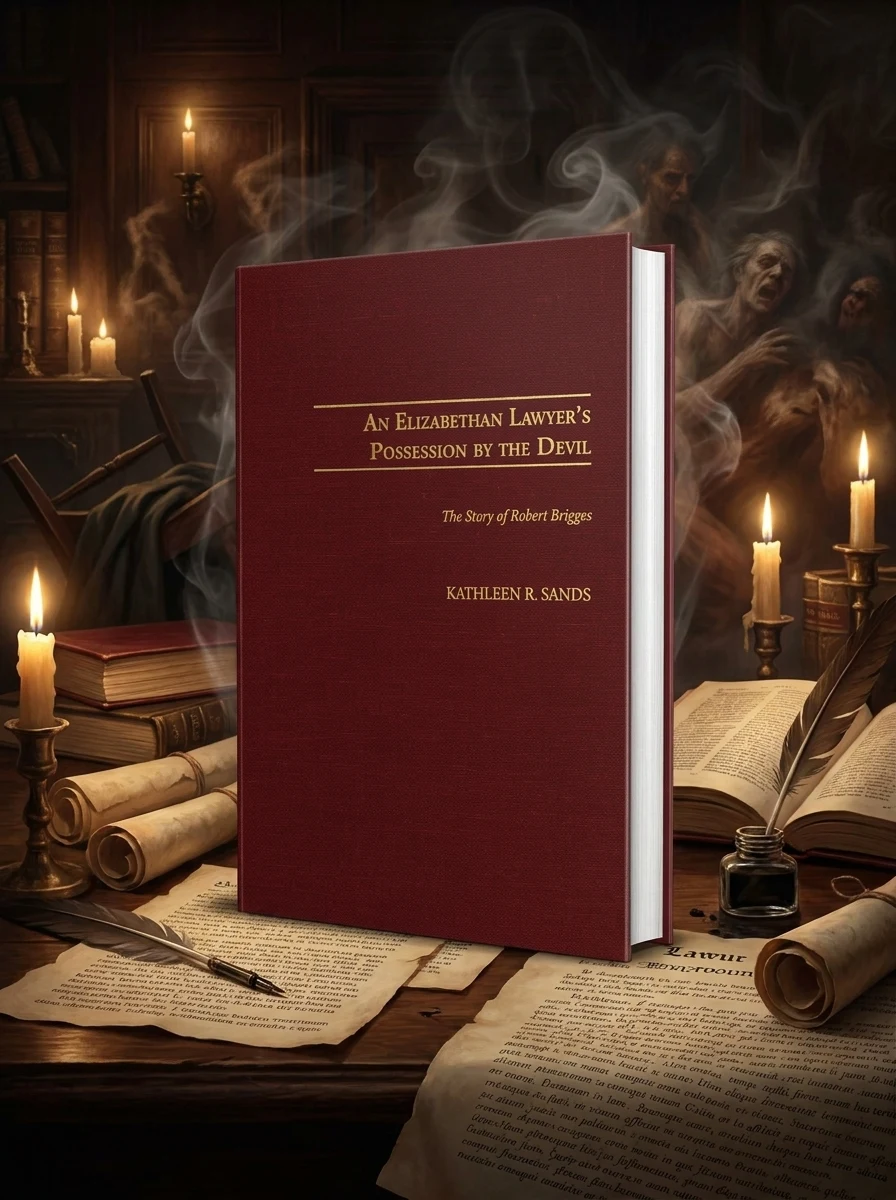
![Reincarnation and Biology: A Contribution to the Etiology of Birthmarks and Birth Defects [2 Volumes]](/img/reincarnation-and-biology-a-contribution-to-the-etiology-of-birthmarks-and-birth-defects-2-volumes-scene.webp)
 88
88
![Extrasensory Perception: Support, Skepticism, and Science [2 Volumes]](/img/extrasensory-perception-support-skepticism-and-science-2-volumes-scene.webp)