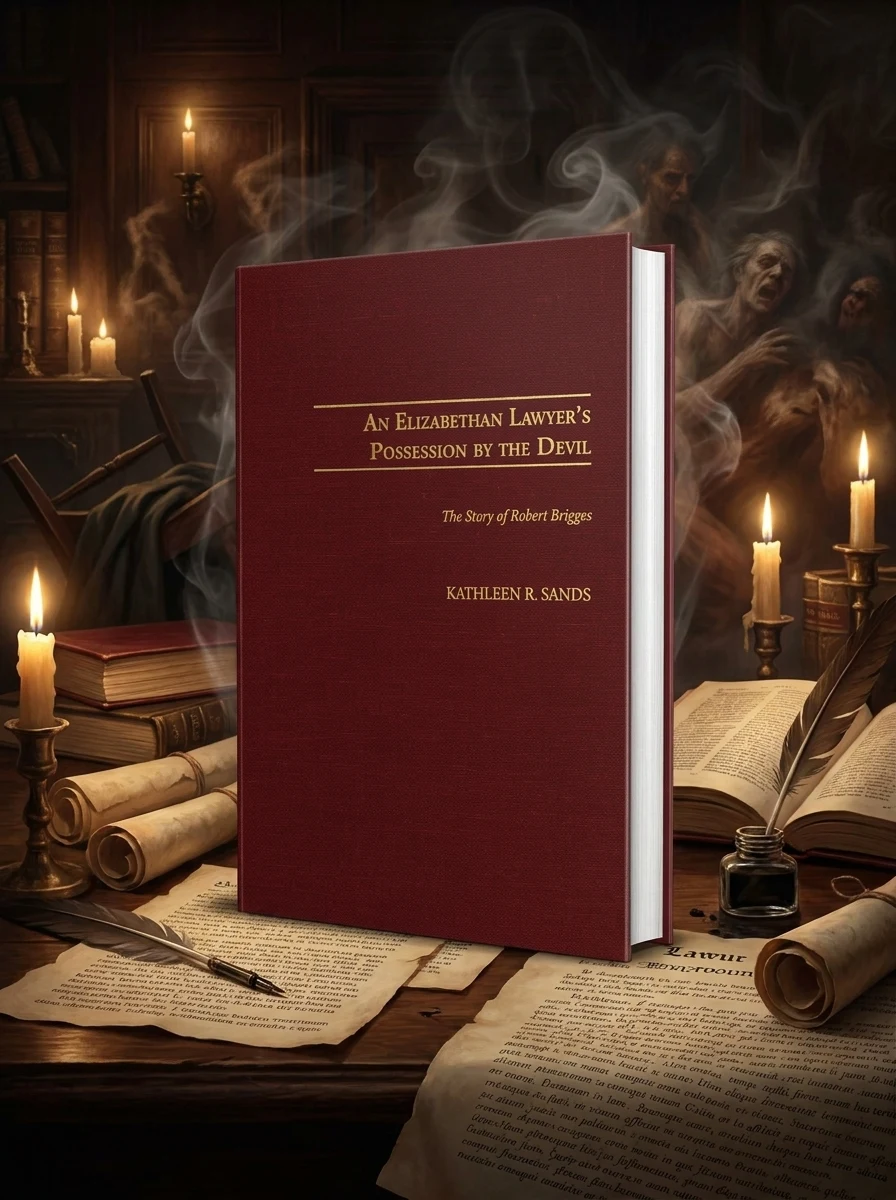
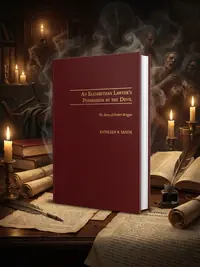

An Elizabethan Lawyer's Possession by the Devil: The Story of Robert Brigges
Sands, Kathleen R 79
79
 Editorial score
How we rate
Editorial score
How we rate
Stock reported in the catalog; fulfillment is confirmed with your request.
Unearth the forgotten terror of an Elizabethan lawyer's harrowing descent into demonic possession.
This compelling study resurrects the chilling, almost forgotten account of Robert Brigges, a London barrister in 1574, who endured three weeks of intense demonic possession. Brigges's ordeal, marked by furious outbursts, profound despair, and vivid sensory deprivation, is unique due to its remarkably detailed, spontaneous, and first-person documentation. Author Kathleen Sands meticulously analyzes these unearthed manuscripts, offering an unprecedented look into the private torment of the afflicted. Sands skillfully contextualizes Brigges's experience, challenging the established historical view that only the socially marginalized were susceptible to such supernatural assaults in early modern England.
This work situates itself within the rich tradition of early modern English demonology and legal history, examining the intersection of law, spirituality, and supernatural belief in Elizabethan England.


📝 Description: An Elizabethan Lawyer's Possession by the Devil: The Story of Robert Brigges
💎 Expert review
📖 Why choose it
Why this book is worth reading
Scholars of early modern history and theology will find this book invaluable for its rigorous analysis of the Brigges manuscripts. It offers a rare, intimate glimpse into the psychological landscape of demonic possession through the eyes of an educated elite, challenging assumptions about who was susceptible to such afflictions. Readers interested in the legal profession's historical relationship with the occult will appreciate Sands' meticulous contextualization. By focusing on a barrister rather than a marginalized figure, the text provides a nuanced perspective on faith and fear in 1574 London, making it essential for those seeking to understand the complex spiritual anxieties of the Elizabethan era.
⭐ Reader reviews
Reader rating
Sands delivers a compelling resurrection of Robert Brigges's ordeal, providing unprecedented insight into first-person accounts of possession. The analysis is rigorous and historically grounded, effectively challenging established views on social susceptibility. However, readers seeking sensationalist ghost stories or fast-paced horror narratives will be disappointed by the academic tone and focus on historical context over dramatic flair. This is not a light read; it demands attention to scholarly detail and legal/historical nuance. It suits those interested in primary source analysis and theological history but may bore those looking for pure entertainment or supernatural thriller elements.
❓ Frequently asked questions
📖 Who should read this
If you're drawn to the shadowy corners of history, fascinated by early modern occult beliefs, or seek to understand the human experience of supernatural phenomena through unique primary sources, this book is essential. It challenges conventional historical perspectives on demonic possession.
🎯 Key themes and symbolism
Unedited Demonic Affliction
This book offers an unparalleled window into the raw, unmediated experience of demonic possession through the remarkably detailed, spontaneous accounts of Robert Brigges. Unlike other historical records, it presents the afflicted individual's personal turmoil, sensory shifts, and direct confrontations with an unseen entity, providing a truly intimate perspective on supernatural torment.
Reconsidering Social Vulnerability
Sands directly refutes the common historical assumption that only the socially powerless or marginalized were targets of demonic possession in early modern England. By focusing on Brigges, an aspiring barrister, the study demonstrates that supernatural affliction could transcend social standing, forcing a reevaluation of our understanding of such phenomena.
Elizabethan Belief Systems
Beyond the personal ordeal, the book deeply explores the cultural fabric of Elizabethan England that shaped perceptions and interpretations of demonic possession. Sands skillfully connects Brigges's individual suffering to the broader societal beliefs, anxieties, and spiritual framework of the time, revealing how such events were understood and integrated into daily life.
💬 Quotes from the book
“The extant manuscripts reveal not merely a diagnosis of possession, but a deeply personal, unfolding psychodrama played out in the private chambers of a London professional, far from the public spectacle often associated with such cases.”
“By foregrounding Brigges's own documented words and actions, Sands masterfully deconstructs the prevailing sociological lens, demonstrating that susceptibility to the demonic was not solely the province of the marginalized or the credulous.”
📜 Historical context
📚 Glossary
- Demonic Possession
- Elizabethan Era
- Barrister
📔 Questions to reflect on
- How might the detailed, first-person nature of Brigges's account challenge or confirm your existing understanding of historical cases of alleged demonic possession?
- Considering Sands's argument about social status, what implications does this have for interpreting other historical instances of supernatural affliction?
- If such an event were to occur today, how do you think it would be understood, documented, and treated differently compared to the Elizabethan era?
✍️ More books by this author Sands, Kathleen R
All books by this author →
🏛 Books from this publisher Praeger
All books from this publisher →

![The Spiritualist Movement: Speaking with the Dead in America and Around the World [3 Volumes]](/img/the-spiritualist-movement-speaking-with-the-dead-in-america-and-around-the-world-3-volumes.webp)
![Extrasensory Perception: Support, Skepticism, and Science [2 Volumes]](/img/extrasensory-perception-support-skepticism-and-science-2-volumes.webp)
You might also like
See more →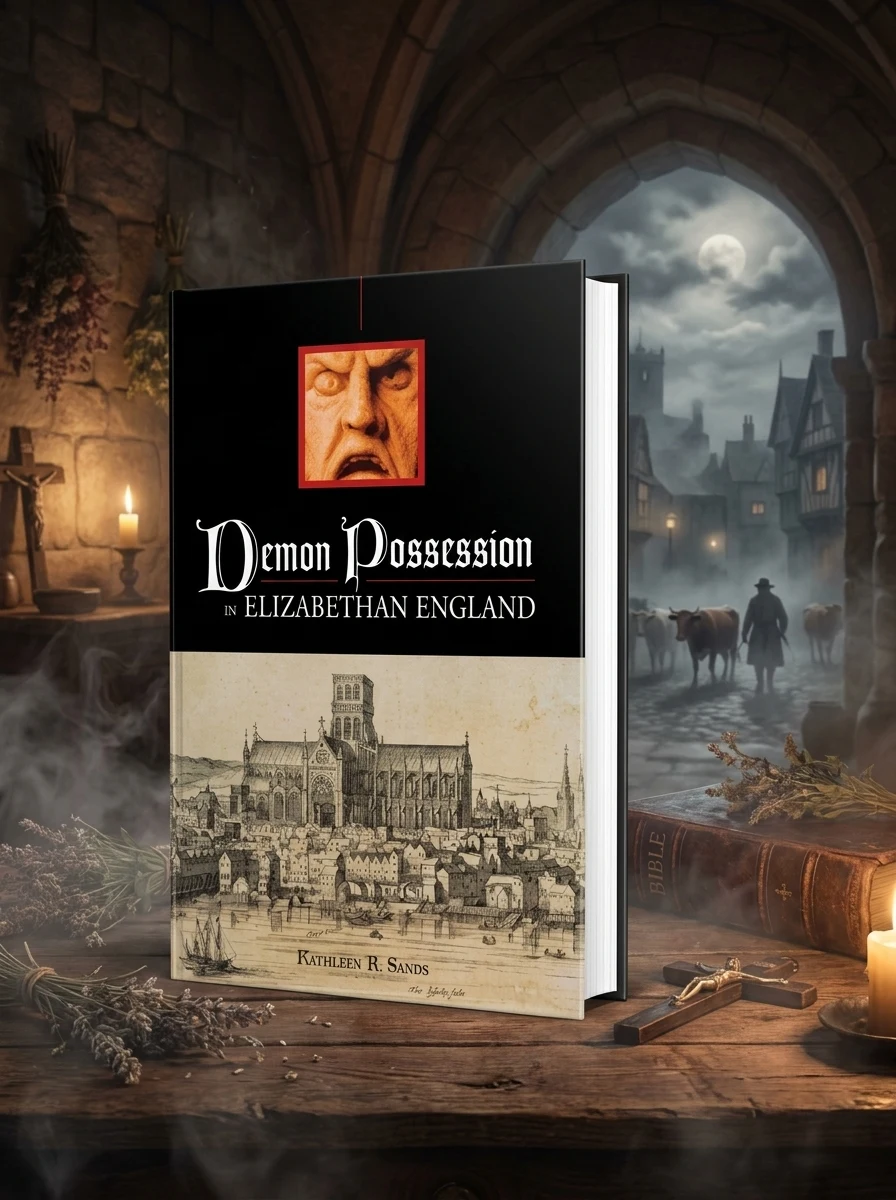 88
88
![Reincarnation and Biology: A Contribution to the Etiology of Birthmarks and Birth Defects [2 Volumes]](/img/reincarnation-and-biology-a-contribution-to-the-etiology-of-birthmarks-and-birth-defects-2-volumes-scene.webp)
 88
88
![Extrasensory Perception: Support, Skepticism, and Science [2 Volumes]](/img/extrasensory-perception-support-skepticism-and-science-2-volumes-scene.webp)