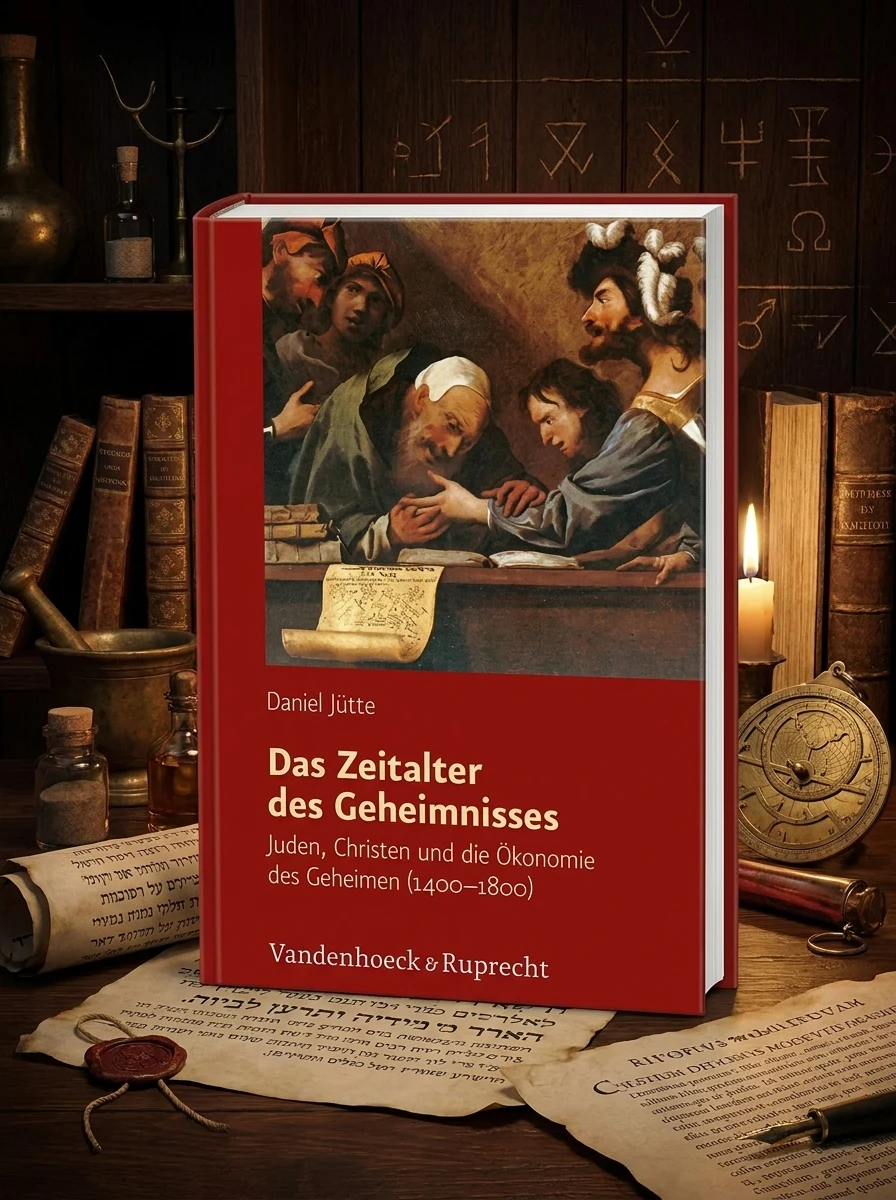
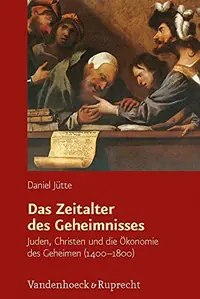
Das Zeitalter Des Geheimnisses: Juden, Christen Und Die Okonomie Des Geheimen (1400-1800) Jutte, Daniel


This edition can be ordered. No arrival date is confirmed.
Uncover the hidden economies of secrecy in early modern Jewish and Christian worlds.
Daniel Jutte's profound study delves into the multifaceted concept of secrecy, charting its significance and operational dynamics across Jewish and Christian societies from the Renaissance through the Enlightenment. This work illuminates how concealed knowledge, practices, and beliefs shaped cultural identity, interfaith dialogue, and societal structures. It meticulously examines the often-overlooked influence of "secret sciences" and clandestine traditions, offering a comprehensive framework for understanding the early modern period's intricate relationship with the unknown and the unspoken within these distinct yet intertwined religious spheres.
This academic work situates itself within the historiography of early modern Europe, specifically examining the intersection of religious studies and social history between 1400 and 1800. It explores how Jewish and Christian societies utilized secrecy as a structural force in their cultural and economic lives.


📝 Description: Das Zeitalter Des Geheimnisses: Juden, Christen Und Die Okonomie Des Geheimen (1400-1800) Jutte, Daniel
💎 Expert review
📖 Why choose it
Why this book is worth reading
Scholars of religious history and sociology will find this text invaluable for its rigorous analysis of how clandestine practices functioned as vital social glue in early modern communities. Readers interested in the mechanics of identity formation through hidden knowledge will appreciate Jutte’s detailed mapping of interfaith dynamics. It offers a necessary corrective to narratives that overlook the economic and operational aspects of secrecy, providing deep insight into how unspoken traditions shaped public religious life and private belief systems across divergent yet connected theological landscapes.
⭐ Reader reviews
Reader rating
Jutte delivers a dense, scholarly examination that demands patience from the reader. While its focus on the 'economy of the secret' offers fresh perspectives on early modern Jewish-Christian relations, it is strictly an academic monograph rather than accessible popular history. Casual readers seeking narrative flair or spiritual guidance will find this dry and overly theoretical. It suits only those prepared for rigorous historiographical debate and complex sociological frameworks regarding religious identity and concealed knowledge in the pre-modern era.
❓ Frequently asked questions
📖 Who should read this
If you're drawn to the intricate dance between faith, knowledge, and power in the early modern era, this volume is essential. Scholars and curious minds alike, seeking to understand the profound impact of hidden traditions on society and inter-religious relations, will find it invaluable.
🎯 Key themes and symbolism
The Architecture of Secrecy
Jutte meticulously dissects how secrecy was not merely an absence of information, but an active force shaping social, religious, and intellectual life. It explores the deliberate construction and maintenance of hidden knowledge systems within both Jewish and Christian contexts, revealing their profound cultural impact.
Interfaith Dynamics and Esotericism
This study reveals how the management of secrets played a pivotal role in the complex and often tense relationship between Jewish and Christian communities. It examines instances where shared or hidden esoteric traditions either bridged divides or reinforced boundaries, influencing mutual perceptions and interactions significantly.
Early Modern Occult Sciences
The book positions "secret sciences" – from alchemy to kabbalah – as integral components of the period's intellectual landscape. It analyzes how these hidden disciplines were perceived, practiced, and integrated into broader cultural narratives within Renaissance and Enlightenment thought, often shaping scholarly discourse.
💬 Quotes from the book
“Secrecy, far from being a mere absence, actively structured social hierarchies and intellectual discourse, serving as both a shield and a key in the early modern age.”
“The occult traditions, whether shared or jealously guarded, formed an unseen substratum that subtly yet profoundly shaped the evolving dialogue between Jewish and Christian communities.”
📜 Historical context
📚 Glossary
- Renaissance
- Enlightenment
- Secret Sciences
📔 Questions to reflect on
- Consider a contemporary "secret science" or hidden knowledge system. How does its secrecy shape its power or perception in today's society?
- Reflect on moments in history where information was deliberately concealed between religious or cultural groups. What were the long-term impacts of such secrecy?
- How might the concept of "economy of secrecy" apply to personal or communal knowledge within your own life or traditions, and what does it reveal?
🏛 Books from this publisher Vandenhoeck & Ruprecht
All books from this publisher →

You might also like
See more →