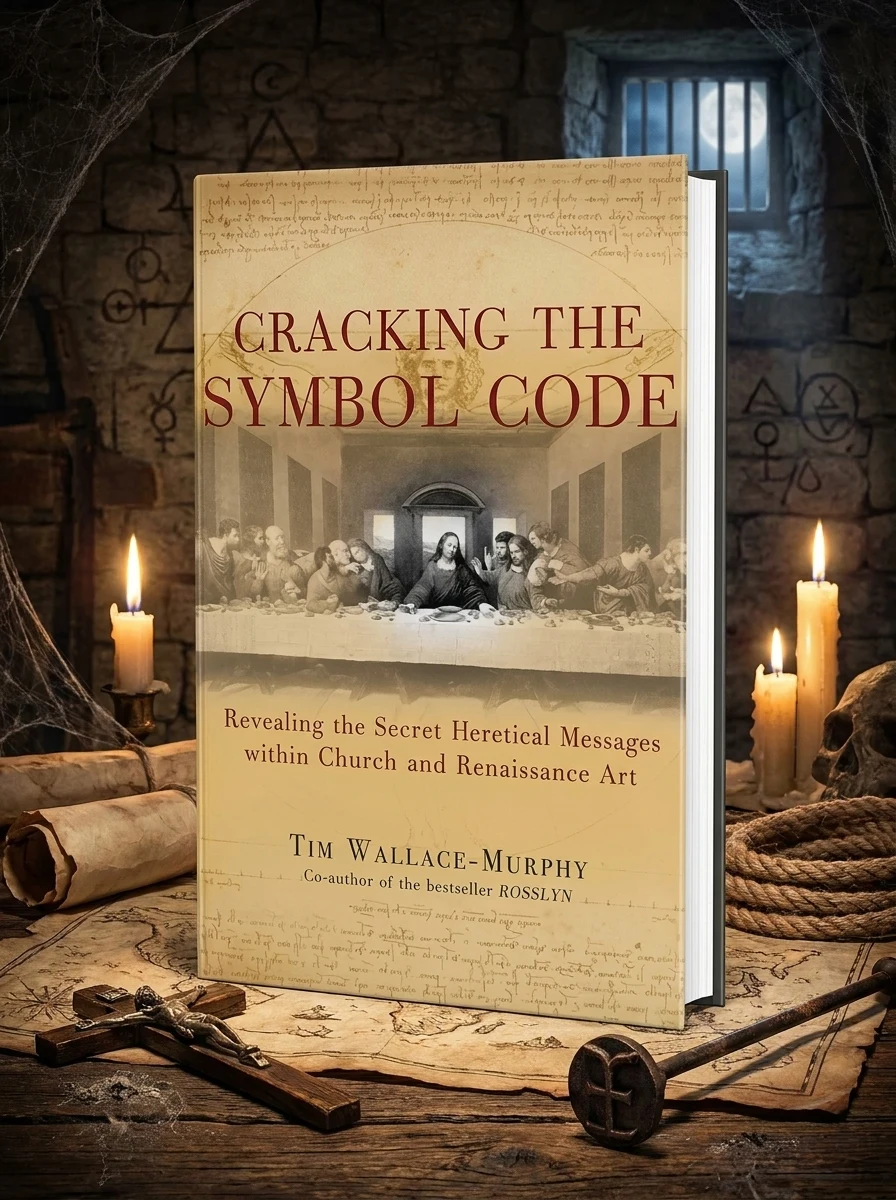
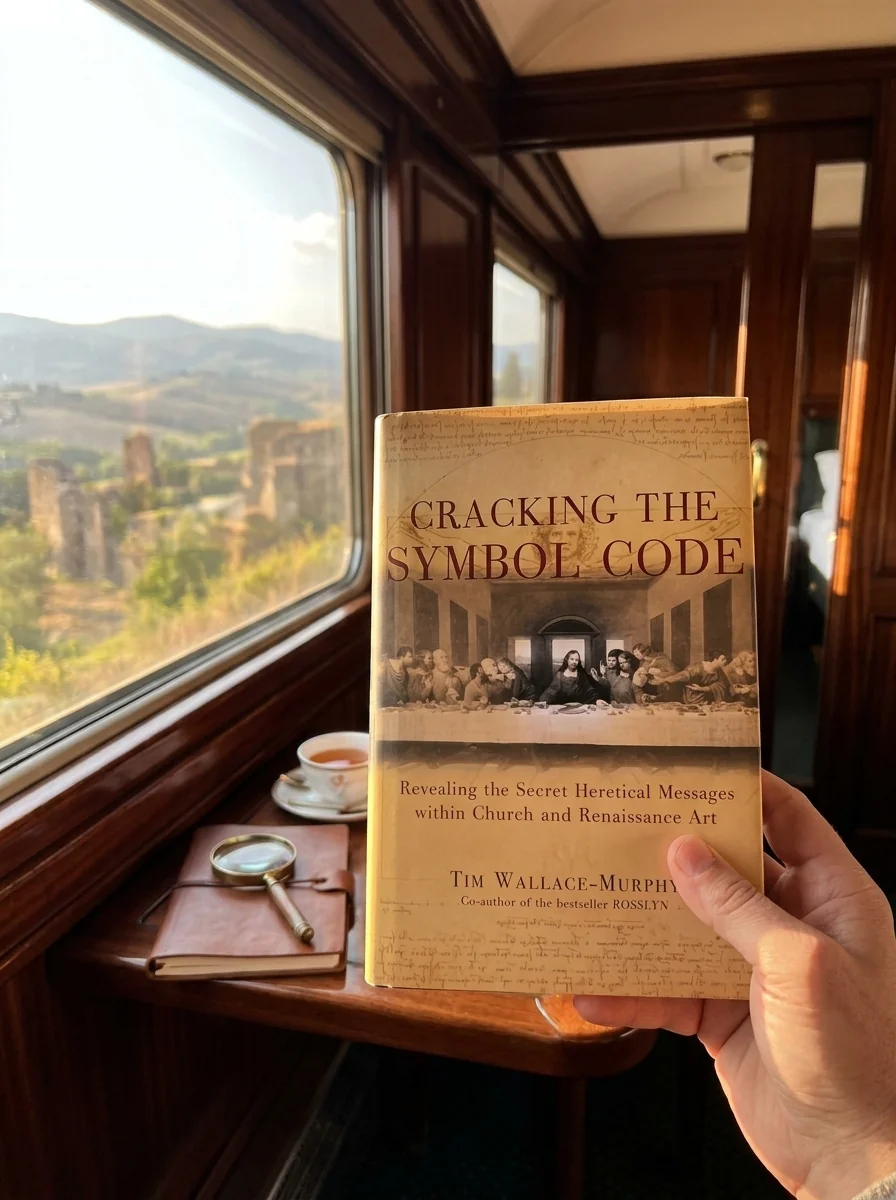
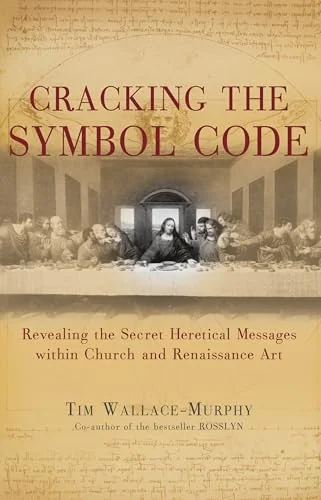
Cracking the Symbol Code: The Heretical Message Within Church and Renaissance Art
✍️ Wallace-Murphy, TimThis provocative volume invites you to peel back centuries of orthodox interpretation, revealing an alternative Christian story meticulously woven into the very fabric of Church and Renaissance art. Wallace-Murphy meticulously deciphers the secret codes and symbols employed by those who dared to dissent from the established doctrines. Discover how artists, often facing severe persecution, embedded their heretical messages within visual masterpieces, preserving a hidden theological lineage that challenges conventional historical understanding. It's a journey into the clandestine wisdom of outlaws and visionaries.


📝 Description: Cracking the Symbol Code: The Heretical Message Within Church and Renaissance Art
💎 Expert review
📖 Why choose it
Why this book is worth reading
Readers fascinated by the intersection of spirituality, art history, and secret societies will find this volume deeply rewarding. If you have ever gazed upon a Renaissance masterpiece and sensed a deeper, perhaps forbidden, meaning beneath the surface, this book serves as your guide. It is perfect for those intrigued by the courage of historical outlaws who risked persecution to preserve alternative truths. By decoding these visual symbols, you gain access to a hidden lineage of thought that has been suppressed by established doctrines. This journey through clandestine wisdom offers not just intellectual stimulation but a profound connection to the visionary spirit that defied convention. It is an essential read for anyone seeking to understand the unspoken narratives that shaped our cultural and religious heritage.
⭐ Reader reviews
Reader rating
Wallace-Murphy delivers a provocative exploration of heretical messages embedded in sacred art, appealing strongly to those interested in occult history and symbolic decoding. The text successfully unmasks the alternative Christian stories woven into Church and Renaissance works by dissenters. However, readers seeking strictly academic, peer-reviewed art historical analysis may find the approach too speculative or sensationalist. It is not suited for orthodox theologians or those who prefer conventional, documented histories over esoteric interpretations. While engaging for fans of secret societies and hidden narratives, the book’s reliance on deciphering 'secret codes' might feel unsubstantiated to rigorous historians. It is best enjoyed as a work of esoteric inquiry rather than definitive historical fact.
❓ Frequently asked questions
📖 Who should read this
If you're drawn to hidden histories, the esoteric interpretations of religious art, or the resilience of suppressed spiritual traditions, this book is for you. It challenges conventional narratives and offers a fascinating new lens through which to view iconic Christian imagery.
🎯 Key themes and symbolism
Heretical Christian Narratives
The book uncovers the secret stories of those who dared to question the dominant church teachings, revealing their courageous attempts to preserve alternative spiritual insights through clandestine means. It explores how these forbidden perspectives offered a different lens through which to understand Christian history and belief, often at great personal risk to their proponents.
Art as Cryptography
Wallace-Murphy illustrates how artists, often under duress, encoded dissenting theological perspectives and spiritual wisdom into their masterpieces. This transformation of paintings and sculptures into sophisticated visual ciphers allowed for the covert transmission of ideas deemed dangerous, creating a hidden language accessible only to the initiated few who understood its deeper meaning.
Decoding Hidden Messages
This theme explores the methodologies for deciphering the complex symbolic language embedded within iconic religious artworks from the Church and Renaissance eras. It guides the reader through the process of unveiling layers of meaning deliberately obscured from the uninitiated viewer, offering a fresh interpretive framework for understanding familiar religious iconography.
📜 Historical context
📚 Glossary
- Heresy
- Symbolism
- Orthodoxy
📔 Questions to reflect on
- Consider a familiar piece of religious art. What alternative interpretations might emerge if you viewed it through the lens of hidden symbolism or dissenting narratives?
- How might the act of encoding forbidden messages into art reflect a deeper spiritual understanding or a profound act of resistance?
- Reflect on the power of symbols in your own life or culture. How do they communicate unspoken truths or bind communities together?



![Pregnancy Health Yoga: Your Essential Guide for Bump, Birth and Beyond [With DVD]](/img/pregnancy-health-yoga-your-essential-guide-for-bump-birth-and-beyond-with-dvd-scene.webp)