![Conspiracies: The Facts. the Theories. the Evidence [Fully Revised, New Edition] by Thomas, Andy](/img/conspiracies-the-facts-the-theories-the-evidence-fully-revised-new-edition-scene.webp)
![Conspiracies: The Facts. the Theories. the Evidence [Fully Revised, New Edition] — photo 1](/img/conspiracies-the-facts-the-theories-the-evidence-fully-revised-new-edition-scene.webp?w=200)
![Conspiracies: The Facts. the Theories. the Evidence [Fully Revised, New Edition] — photo 2](/img/conspiracies-the-facts-the-theories-the-evidence-fully-revised-new-edition.webp?w=200)
Conspiracies: The Facts. the Theories. the Evidence [Fully Revised, New Edition]
Thomas, AndyThis edition can be ordered. No arrival date is confirmed.
Unravel the hidden threads of history, where official truths often fray.
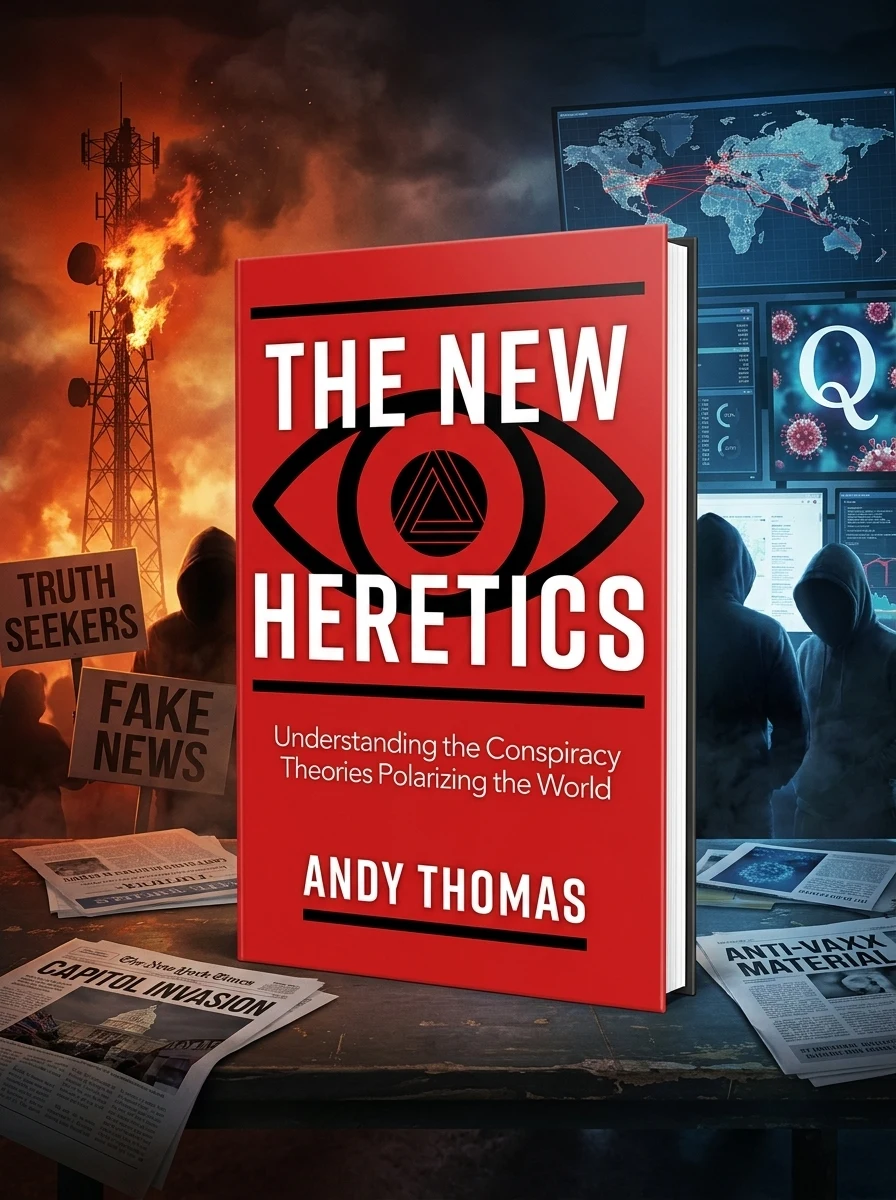
This revised edition delves into the persistent human inclination to question established narratives surrounding significant historical events, such as the Kennedy assassination or 9/11. In an era of declining institutional trust, the book explores why conspiracy theories gain unprecedented traction and spread rapidly through digital platforms. It encourages readers to critically evaluate evidence and the mindset of skeptics, examining specific examples like the death of Princess Diana and the moon landing. The updated content also addresses theories that emerged during the recent global pandemic, providing a timely analysis of this pervasive phenomenon.
This work sits firmly within the contemporary esoteric tradition of critical inquiry and alternative history, reflecting the modern era's widespread skepticism toward institutional narratives. It bridges the gap between occult philosophy and sociological analysis by examining how hidden truths are perceived in a digital age.


📝 Description: Conspiracies: The Facts. the Theories. the Evidence [Fully Revised, New Edition]
💎 Expert review
📖 Why choose it
Why this book is worth reading
Readers who find themselves perpetually questioning the official stories presented by media and government will find profound validation in this revised edition. It is ideal for those interested in the psychology behind belief systems, offering a structured way to navigate the chaotic landscape of modern conspiracy theories. By examining high-profile cases like the Kennedy assassination and recent pandemic-related rumors, the book provides a framework for critical evaluation rather than blind acceptance. It appeals to skeptics who want to understand why these narratives spread so rapidly online, helping them distinguish between genuine inquiry and mere misinformation. This guide is essential for anyone seeking to unravel the hidden threads of history with a clear, analytical mind.
⭐ Reader reviews
Reader rating
Andy Thomas offers a timely exploration of why conspiracy theories gain traction in an era of declining institutional trust. The book succeeds in providing a balanced view, encouraging readers to critically evaluate evidence regarding events like Princess Diana's death and the moon landing. However, it may not suit those seeking definitive proof of specific cover-ups or those who prefer to remain comfortably within established historical narratives. Readers looking for sensationalist claims without analytical depth might find the tone too measured. It is best for those willing to engage with the mindset of skeptics and understand the sociological mechanics behind digital rumor spreading, rather than those simply wanting confirmation of their existing biases.
❓ Frequently asked questions
📖 Who should read this
If you're a discerning seeker who questions the surface of reality, or an investigator intrigued by the hidden mechanics of societal belief, this volume is your guide. It invites you to explore the shadowy corners where official histories often diverge from persistent alternative narratives.
🎯 Key themes and symbolism
Unmasking Official Narratives
This book meticulously dissects the common tendency to question widely accepted accounts of pivotal historical moments. It encourages readers to critically evaluate the discrepancies and alternative perspectives surrounding events like the Kennedy assassination or the 9/11 attacks, pushing beyond simple acceptance of official statements.
The Psychology of Skepticism
Thomas delves into the underlying motivations and cognitive frameworks that lead individuals to embrace conspiratorial thinking. He explores whether skepticism toward authority is inherently justified or merely a psychological defense mechanism, offering insights into the mindset of those who champion alternative explanations.
Digital Age Dissemination
The book acknowledges the unprecedented speed and reach with which modern conspiracy theories propagate. It examines how contemporary digital platforms and social networks amplify these narratives, making it crucial for readers to understand the mechanisms behind their rapid spread and pervasive influence.
💬 Quotes from the book
“The chasm between official pronouncements and public skepticism often reveals less about truth itself, and more about the inherent human need to question power.”
“In an age saturated with information, discerning the fabricated from the factual requires not just vigilance, but a fundamental understanding of how narratives are constructed and deconstructed.”
📜 Historical context
📚 Glossary
- Official Narrative
- Confirmation Bias
- False Flag
📔 Questions to reflect on
- Reflect on a time you encountered an "official story" that felt incomplete or suspicious. What details made you question it?
- How do you personally evaluate information presented as fact, especially when it contradicts a widely accepted belief? What are your criteria?
- Consider the role of trust in authority figures. How has your own trust evolved, and what factors contribute to its strengthening or erosion?
✍️ More books by this author Thomas, Andy
All books by this author →
🏛 Books from this publisher Watkins Publishing
All books from this publisher →



![Pregnancy Health Yoga: Your Essential Guide for Bump, Birth and Beyond [With DVD]](/img/pregnancy-health-yoga-your-essential-guide-for-bump-birth-and-beyond-with-dvd.webp)
You might also like
See more →





 91
91