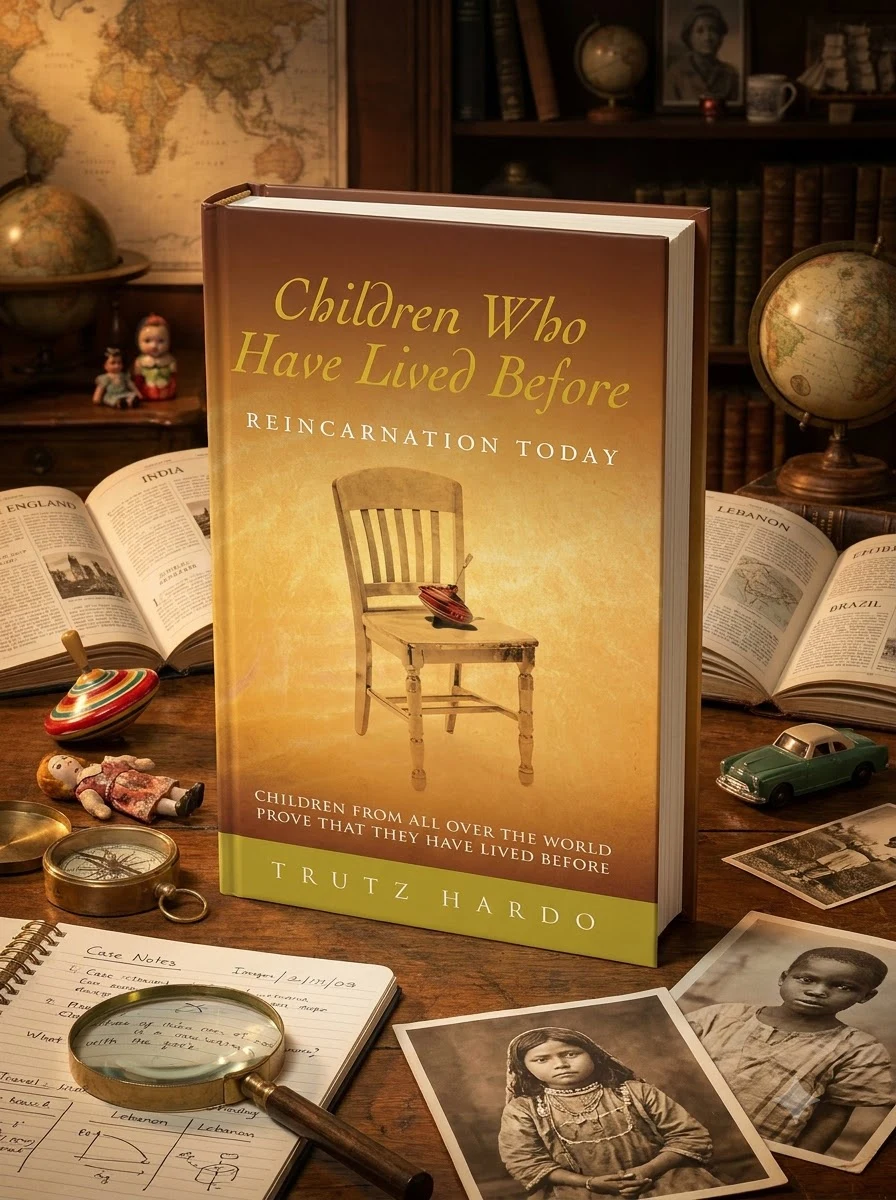
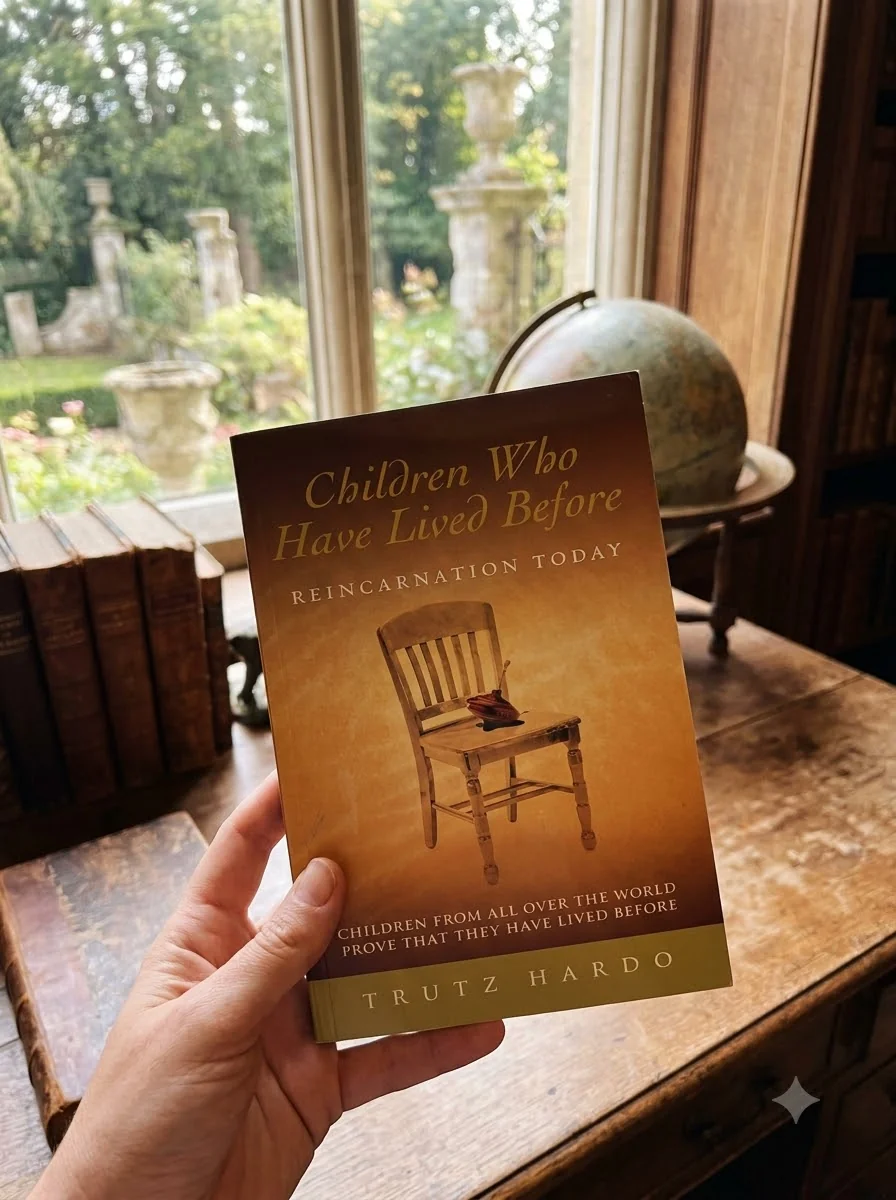
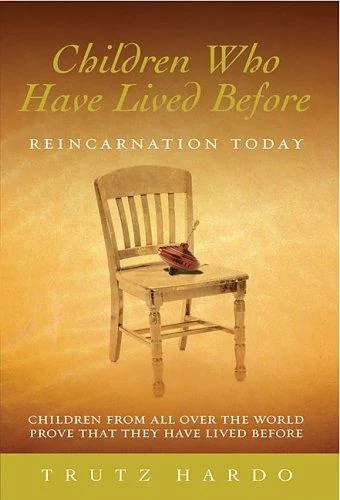
Children Who Have Lived Before: Reincarnation Today
Trutz Hardo's compelling work delves into the fascinating phenomenon of young children spontaneously recalling vivid details of previous existences. This book meticulously examines how these extraordinary accounts, gathered from diverse cultures worldwide, undergo rigorous scientific scrutiny. Hardo highlights numerous instances where researchers have painstakingly corroborated the children's detailed memories, providing robust empirical evidence that supports the ancient concept of reincarnation. Far from mere anecdote, these cases offer profound insights into consciousness and what it means to be human across multiple lifetimes.


Praise for this book
“Convincing evidence on reincarnation that will give even the toughest skeptic much to think about.”
📝 Description: Children Who Have Lived Before: Reincarnation Today
💎 Expert review
📖 Why choose it
Why this book is worth reading
Readers fascinated by the intersection of consciousness studies and spiritual philosophy will find this work deeply engaging. It appeals to those skeptical of purely anecdotal claims but open to rigorous examination of metaphysical evidence. Parents, psychologists, and philosophers alike will gain profound insights into human identity across lifetimes. The book offers a unique perspective for anyone questioning the finality of death or seeking to understand the continuity of the soul through documented cases that challenge conventional scientific boundaries.
⭐ Reader reviews
Reader rating
Hardo presents a compelling survey of global accounts regarding children’s past-life memories, grounding esoteric beliefs in what he argues is robust empirical data. The text is valuable for its cross-cultural scope and its attempt to subject spiritual claims to scrutiny. However, it does not suit readers who demand traditional theological answers or those entirely dismissive of parapsychological research. Skeptics may find the methodology lacking in definitive proof, while hardline materialists might reject the premise outright. It is best appreciated by open-minded seekers willing to explore the edges of accepted science.
❓ Frequently asked questions
📖 Who should read this
If you are drawn to the mysteries of consciousness, the nature of existence beyond a single lifetime, or the intersection of spirituality and scientific inquiry, this book offers profound insights and compelling evidence that will challenge your worldview.
🎯 Key themes and symbolism
Children's Past Life Memories
The book meticulously documents cases of young children who spontaneously articulate memories of previous lives. These are not vague impressions but often highly specific recollections of names, places, and events that, despite the child's young age, prove remarkably consistent and detailed, challenging conventional understandings of memory and identity.
Scientific Verification Process
A cornerstone of Hardo's research is the rigorous methodology employed to investigate and confirm these accounts. Each child's testimony is subjected to exhaustive scientific investigation, involving cross-referencing with historical records, interviews with families, and site visits, ensuring that claims are substantiated by verifiable facts, not just belief.
Global Rebirth Perspectives
The book presents a worldwide tapestry of experiences, drawing cases from numerous countries across various continents including Europe, Asia, Africa, and the Americas. This global scope underscores the universal nature of these phenomena, transcending cultural boundaries and offering insights into a collective human experience of rebirth.
📜 Historical context
📚 Glossary
- Reincarnation
- Empirical Evidence
- Anamnesis
📔 Questions to reflect on
- How might the concept of reincarnation, supported by verifiable evidence, influence your perspective on life choices and personal growth?
- Consider a moment of déjà vu or an inexplicable connection you've felt. Could such experiences relate to deeper, unconscious memories, as explored in this book?
- If children's past-life memories are indeed verifiable, what ethical or societal implications might this have for education, personal identity, or our understanding of justice?