Card Catalog: 30 Notecards from the Library of Congress
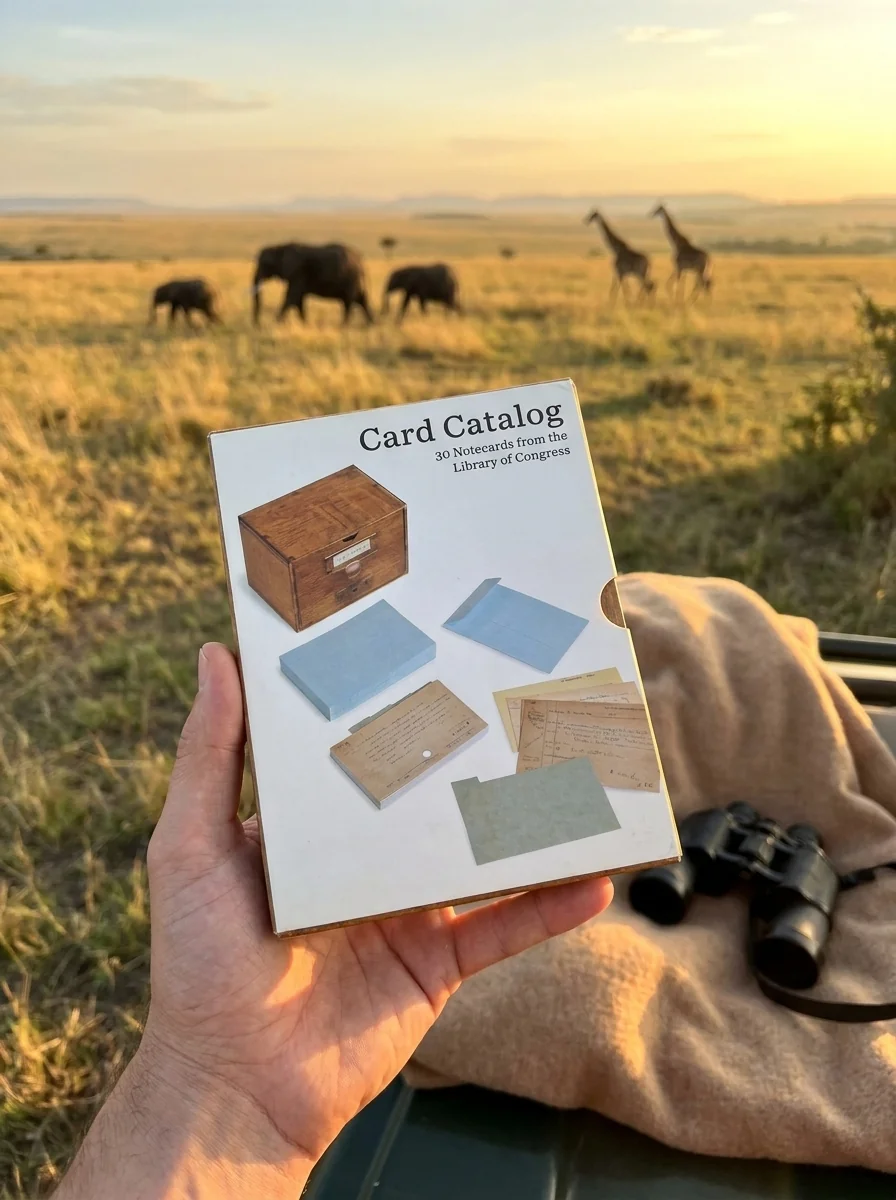
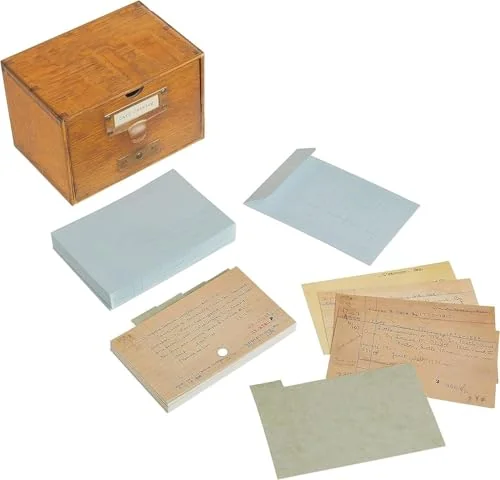
✍️ Chronicle Books, Library of CongressA set of thirty notecards reproducing original Library of Congress catalog cards for literary classics.
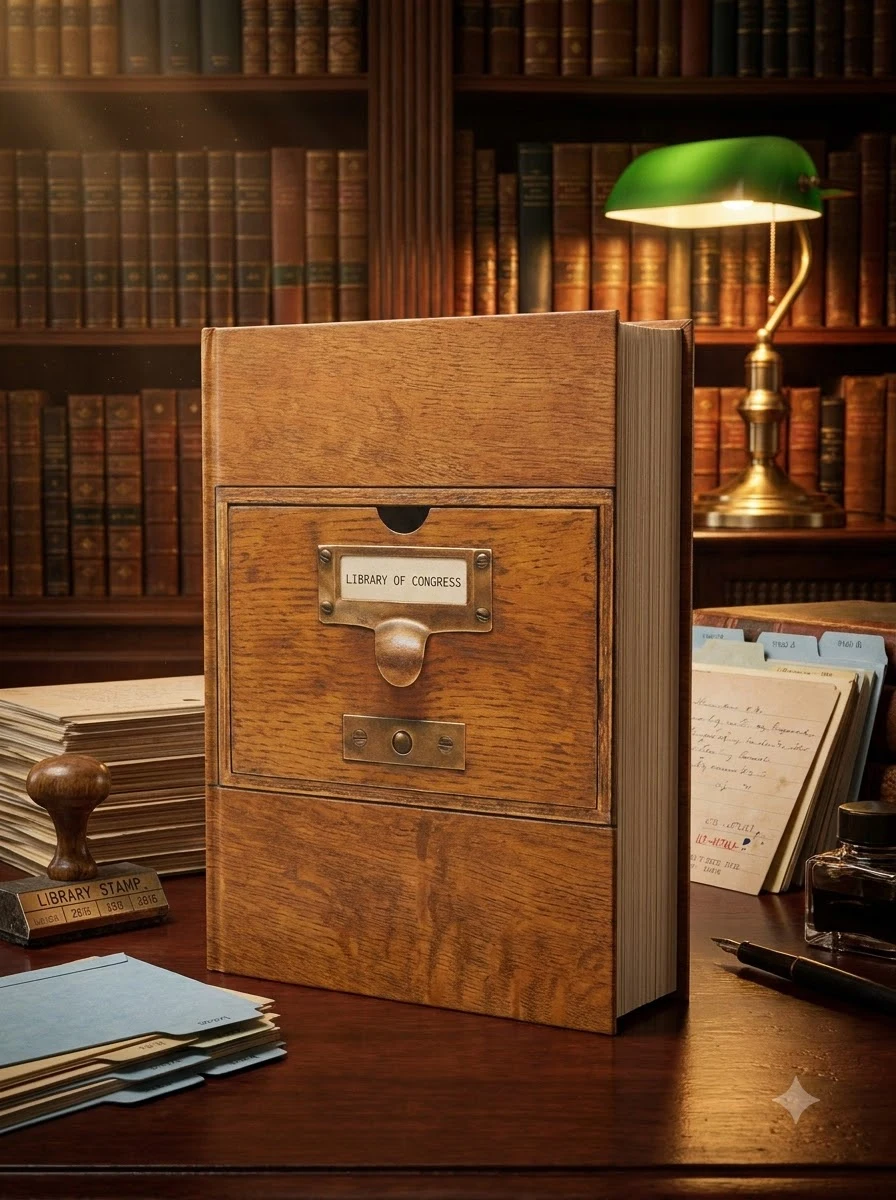
This product bridges the gap between archival history and modern stationery needs. By utilizing the actual records from the Library of Congress, Chronicle Books provides a unique writing experience that honors the past. The tabbed dividers in the replica box allow for categorization, while the thirty individual cards offer ample space for notes. This approach caters to those who miss the tactile feel of traditional library systems. It is a practical tool for organizing thoughts through a historical lens.
The item reflects the mid-twentieth-century American library system, where physical card catalogs were the primary method for tracking books. This era valued tangible records and organized access to knowledge, a practice that Chronicle Books and the Library of Congress aim to preserve through this replica set.


📝 Description: Card Catalog: 30 Notecards from the Library of Congress
💎 Expert review
📖 Why choose it
Why this book is worth reading
This collection appeals deeply to the discerning scribe, mystic scholar, and devotee of tangible intellectual heritage. It offers a unique opportunity to hold a miniature gateway to celebrated literary classics within a meticulously crafted replica of a vintage card catalog drawer. The tabbed dividers transform simple correspondence into an invocation of ancient cataloging arts. For those seeking a physical connection to the vast architecture of knowledge underpinning literary traditions, this set serves as both a decorative tribute and a functional artifact. It satisfies the desire for aestheticized wisdom, allowing the owner to interact with humanity's accumulated insights in a tactile, nostalgic manner that digital archives cannot replicate.
⭐ Reader reviews
Reader rating
Critics might find this item overly sentimental or commercially driven, lacking substantive critical analysis. It is not suited for readers seeking rigorous academic commentary or historical depth beyond the surface-level reproduction of entries. Those who view library systems purely as utilitarian rather than arcane may find the 'mystic scholar' framing pretentious. However, for fans of tactile bookishness and design-driven literature, it succeeds as a beautiful homage to the physicality of information.
❓ Frequently asked questions
📖 Who should read this
For the bibliomancer, the keeper of forgotten lore, or anyone who finds profound resonance in the physical vestiges of knowledge. If you seek to connect with the deep currents of intellectual history and the sacred art of archiving, this collection belongs in your sanctum.
🎯 Key themes and symbolism
The Architecture of Knowledge
Explore the systematic organization of vast literary lore, reimagined as a sacred structure. These cards represent the foundational ciphers used to map intellectual realms, offering insight into how ancient libraries and modern institutions alike attempt to categorize the boundless rivers of human thought, turning chaos into cosmos.
Echoes of Lost Libraries
These notecards serve as direct echoes from the grand repositories of textual magic, evoking the hushed reverence of forgotten archives. Each card is a fragment from a greater whole, a tangible link to the profound power held within the silent halls of knowledge, where every tome whispers ancient secrets.
Esoteric Classification Systems
Delve into the subtle art of classifying and indexing, here presented as an esoteric practice. The original cataloging method, a powerful system of naming and ordering, is re-presented, inviting contemplation on how such structures reveal hidden connections between disparate works, forming a secret language of scholarly arrangement.
📜 Historical context
📚 Glossary
- Bibliomancer
- Grimoire
- Archival Vestige
📔 Questions to reflect on
- Consider a "classic" work you feel a deep connection to. What might its original catalog card reveal about its initial perception or hidden lineage?
- How does the act of organizing and categorizing knowledge influence its perception and accessibility, both in mundane and magical contexts?
- If you were to create a personal "card catalog" for your own esoteric studies, what categories would you establish, and what hidden connections would they reveal?
📖 Read on the blog
🏛 Books from this publisher Chronicle Books
All books from this publisher →







You might also like
See more →





Have a question about this item?
Ask about the edition, condition, delivery or anything else — we reply by email or phone, usually within a day.
