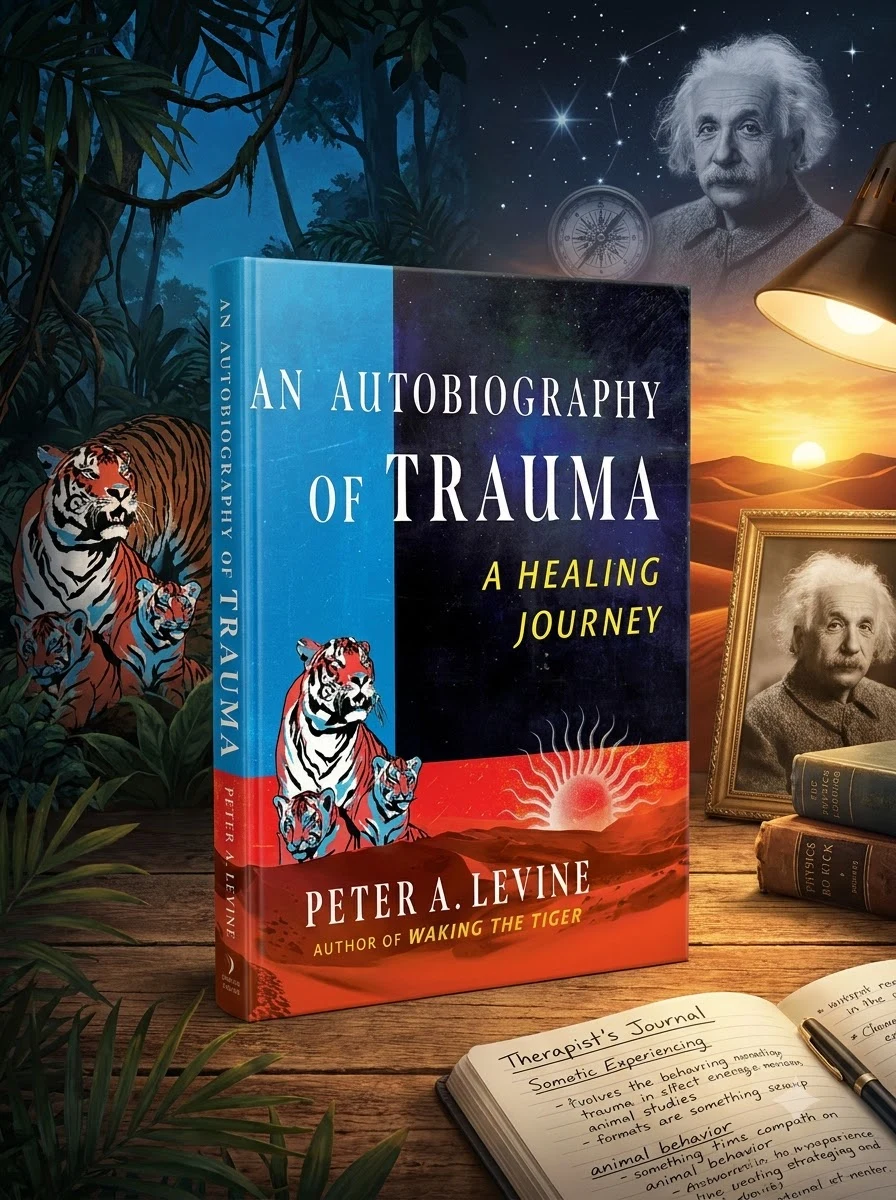
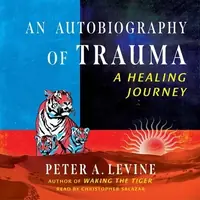
An Autobiography of Trauma: A Healing Journey
Levine, Peter AThis edition can be ordered. No arrival date is confirmed.
Peter Levine transforms personal devastation into the foundational theory of Somatic Experiencing.
In this raw and illuminating memoir, Peter A. Levine chronicles his harrowing path from severe childhood trauma to becoming the architect of Somatic Experiencing. He details how observing animal responses to danger and studying neurobiology reshaped his understanding of healing. The narrative weaves his personal struggles with the emergence of a revolutionary therapeutic approach, revealing unexpected spiritual connections to Albert Einstein. This is not merely a biography but a map of how the body remembers pain and how it can be released, offering readers a profound look at the intersection of personal history and clinical innovation.
This work sits at the intersection of esoteric healing traditions and modern somatic psychology, bridging the gap between ancient spiritual understandings of the body and contemporary neurobiological research. It reflects a period where occult-adjacent seekers increasingly looked for grounded, physiological explanations for trauma recovery.


📝 Description: An Autobiography of Trauma: A Healing Journey
💎 Expert review
📖 Why choose it
Why this book is worth reading
Readers drawn to the synthesis of spiritual insight and clinical science will find this memoir profoundly rewarding. It is ideal for those seeking to understand how personal devastation can catalyze revolutionary healing methods. The narrative offers a unique perspective on the body's memory of pain, appealing to individuals interested in the origins of Somatic Experiencing. Those who appreciate the intersection of neurobiology and esoteric thought will value the unexpected connections to figures like Albert Einstein. It serves as both a personal map and a clinical guide for those curious about releasing stored trauma through somatic awareness.
⭐ Reader reviews
Reader rating
This memoir provides a raw look at the architect of Somatic Experiencing, weaving personal struggle with clinical innovation. While the exploration of how the body remembers pain is compelling, readers seeking pure occult lore or abstract philosophy may find the clinical focus too grounded. It does not suit those who prefer detached academic texts over intimate, lived experience. The inclusion of spiritual connections to Einstein might feel jarring to strict materialists, though it adds depth for esoteric-minded audiences. Overall, it is a significant contribution to understanding trauma release, provided one accepts its blend of personal narrative and scientific observation.
❓ Frequently asked questions
📖 Who should read this
Readers interested in trauma recovery, somatic therapy, or the origins of non-verbal healing modalities will find this text essential. It appeals to those seeking to understand the mind-body connection beyond traditional talk therapy.
🎯 Key themes and symbolism
Somatic Experiencing
Intergenerational Trauma
Neurobiological Healing
💬 Quotes from the book
“Levine casts himself as a modern-day Chiron, the wounded healer of Greek mythology.”
“The violence of his childhood juxtaposed with specific happy memories.”
📜 Historical context
📚 Glossary
- Somatic Experiencing
- Wounded Healer
- Ethology
📔 Questions to reflect on
- Where do you hold unprocessed tension in your body, and what might it be trying to tell you?
- How has a past wound become a source of strength or insight in your current life?
- What natural rhythms or animal behaviors inspire you to reconnect with your own primal healing instincts?
✍️ More books by this author Levine, Peter A
All books by this author →
🏛 Books from this publisher Simon & Schuster/ Inner Traditions
All books from this publisher →


You might also like
See more →


 91
91