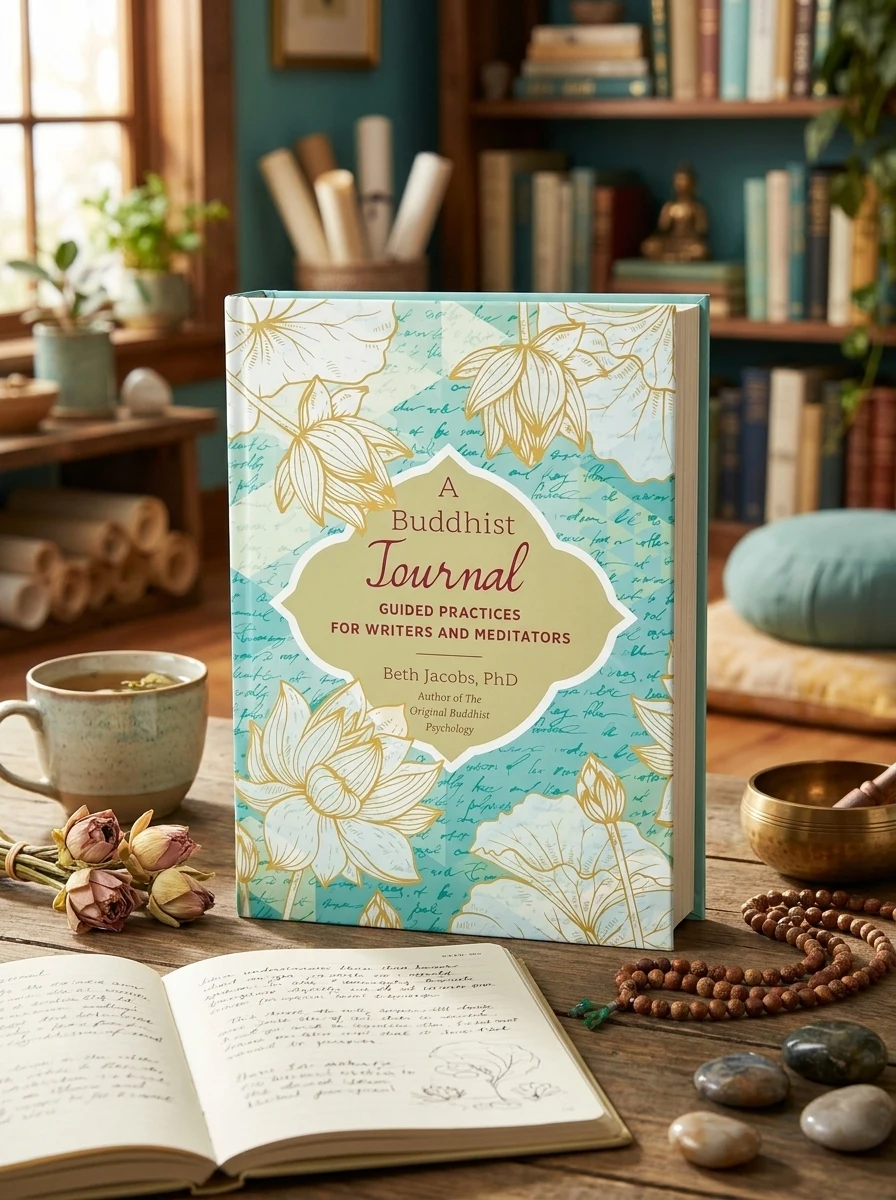
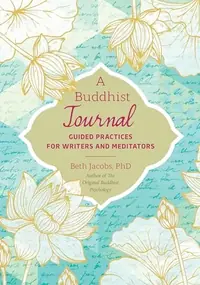
A Buddhist Journal: Guided Practices for Writers and Meditators
This edition can be ordered. No arrival date is confirmed.
Unearth inner wisdom where pen meets path.
Beth Jacobs' "A Buddhist Journal" offers a unique conduit for introspection, seamlessly weaving ancient Buddhist principles with contemporary journaling techniques. This guided volume transcends mere self-help, inviting practitioners to explore their inner landscapes through structured writing exercises and contemplative prompts. It's an accessible tool for deepening spiritual awareness, fostering personal growth, and integrating mindful presence into daily life. Jacobs provides a gentle yet profound framework for self-discovery, making esoteric concepts personally applicable for any seeker.
This work sits at the intersection of Western esoteric publishing and modern contemplative practice, bridging ancient Buddhist philosophy with contemporary self-help methodologies. It reflects the ongoing synthesis of Eastern spiritual traditions within English-language occult and philosophical literature.


📝 Description: A Buddhist Journal: Guided Practices for Writers and Meditators
💎 Expert review
📖 Why choose it
Why this book is worth reading
Readers seeking a tangible bridge between abstract Buddhist theory and daily introspection will find immense value in this guide. It is ideal for writers and meditators who wish to structure their spiritual growth through deliberate, mindful writing exercises. The book offers a gentle framework for those feeling lost in the noise of modern life, providing practical prompts that transform esoteric concepts into personal tools for self-discovery. By integrating ancient wisdom with contemporary journaling techniques, it helps practitioners cultivate deep spiritual awareness and maintain mindful presence in their everyday routines, making it essential for any seeker aiming to harmonize their inner landscape with their external actions.
⭐ Reader reviews
Reader rating
Beth Jacobs delivers a thoughtful, accessible guide that effectively demystifies Buddhist principles for the modern journaler. The structured approach makes complex philosophical ideas feel intimate and applicable, fostering genuine personal growth through guided contemplation. However, this volume is not suited for those seeking rigorous academic analysis of Buddhist doctrine or advanced meditative techniques beyond introductory levels. Readers looking for dense theological debate or purely secular self-help without spiritual underpinnings may find the content too gentle or overtly religious in its framing. It remains a strong entry point for beginners but lacks depth for seasoned scholars.
❓ Frequently asked questions
📖 Who should read this
If you seek a structured yet fluid approach to spiritual exploration, or wish to imbue your writing with deeper purpose, this journal is your guide. It's for those ready to commit to a daily practice of mindful self-inquiry, whether new to Buddhism or looking to enrich an existing contemplative path.
🎯 Key themes and symbolism
Buddhist Contemplative Practice
This journal demystifies Buddhist teachings, transforming abstract concepts into actionable insights. Through guided prompts, it encourages readers to engage with principles like impermanence, mindfulness, and compassion not as theoretical ideas, but as lived experiences, fostering a deeper, more personal understanding of the Dharma beyond intellectual study.
Sacred Writing as Ritual
More than just jotting down thoughts, the book elevates journaling to a sacred ritual. It presents writing as a deliberate act of self-inquiry, a method for charting one's spiritual journey and processing inner states. Each entry becomes a mindful offering, a step on the path of self-awareness, transforming the page into a canvas for inner exploration.
Integrated Mindfulness & Reflection
The core of Jacobs' work lies in its seamless blend of meditation and written reflection. It teaches how to bring a meditator's observant, non-judgmental awareness to the act of writing, and conversely, how the structured exploration of journaling can deepen meditative insights. This synergy cultivates a holistic practice of presence and self-understanding.
💬 Quotes from the book
“Let your pen be the anchor, grounding fleeting thoughts into the stillness of the page, where impermanence reveals its gentle dance.”
“Through the deliberate act of naming our inner landscapes, we begin to perceive the interconnectedness of our awareness and our words.”
📜 Historical context
📚 Glossary
- Mindfulness
- Dharma
- Contemplation
📔 Questions to reflect on
- Reflect on a recent moment of disquiet or inner turmoil. How might mindful observation, as practiced in meditation, have altered your experience of that moment?
- Choose a Buddhist teaching (e.g., non-attachment, compassion, interdependence) that resonates deeply with you today. How can you embody this principle in your written reflections or daily actions?
- Describe your ideal sanctuary for both writing and meditation. What specific elements – physical, emotional, or energetic – are essential for your inner work and creative flow?
🏛 Books from this publisher North Atlantic Books
All books from this publisher →



You might also like
See more →
 91
91