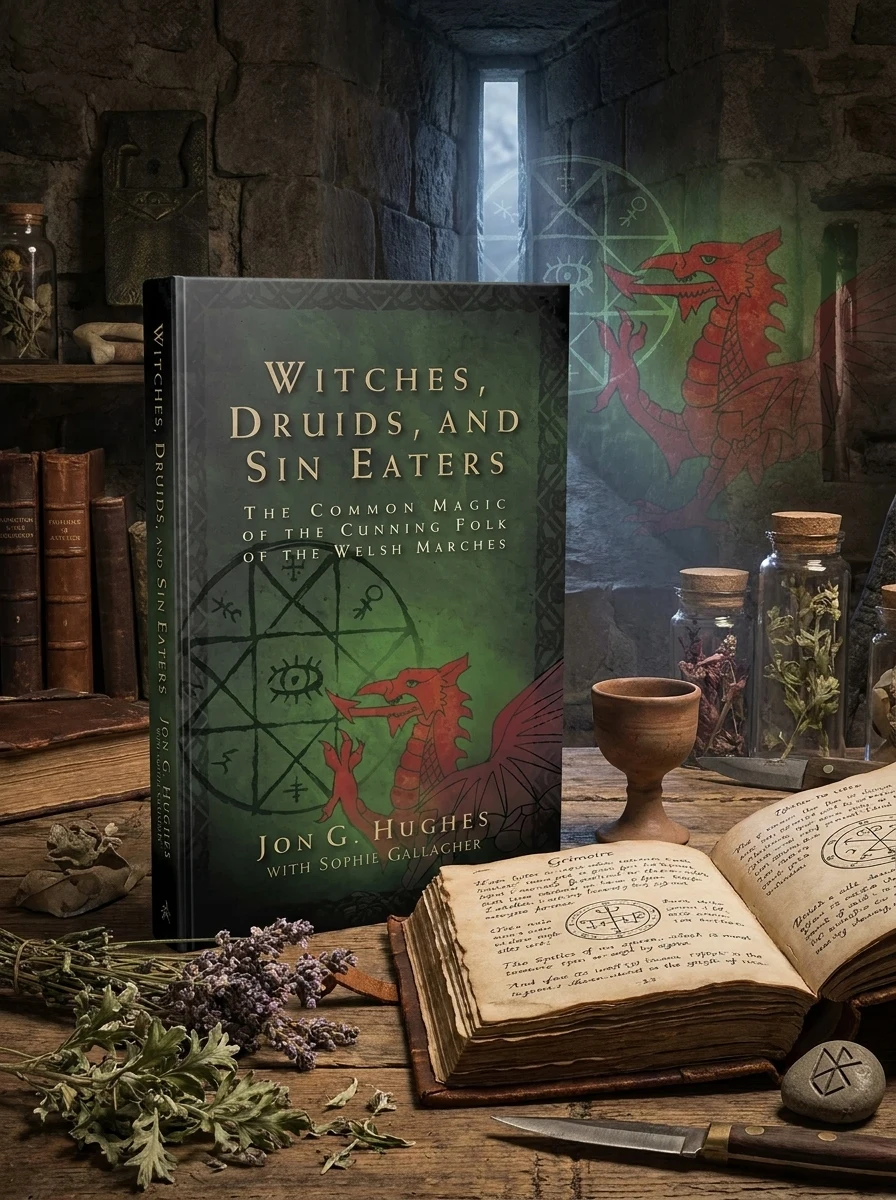
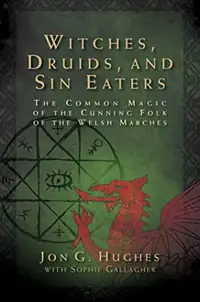
Witches, Druids, and Sin Eaters: The Common Magic of the Cunning Folk of the Welsh Marches


This edition can be ordered. No arrival date is confirmed.
Unearth the lost magic of borderland cunning folk, from sin-eaters to spirit hunters.
Delve into the enigmatic folk magic of the Welsh Marches with this comprehensive exploration by a Druid and a witchcraft researcher. This volume uncovers the arcane customs, ancient beliefs, and secret rites of figures like Sin Eaters, Eye Biters, and Spirit Hunters. Drawing upon rare archival texts and featuring original artifact photography, it illuminates a significant yet often overlooked region for early witchcraft. Beyond historical insight, the book provides a practical grimoire, offering instruction on crafting and casting the unique spells and magical workings of these historical cunning folk.
This work anchors itself in the specific folk magic traditions of the Welsh Marches, bridging historical ethnography with practical contemporary witchcraft and druidic studies. It serves as a vital resource for understanding the arcane customs of borderland cunning folk within the broader context of European esoteric history.


📝 Description: Witches, Druids, and Sin Eaters: The Common Magic of the Cunning Folk of the Welsh Marches
💎 Expert review
📖 Why choose it
Why this book is worth reading
Readers with a deep passion for regional folk magic and historical occult practices will find this book indispensable. It offers a unique window into the lesser-known world of Welsh Marches cunning folk, blending scholarly archival research with actionable magical instruction. Those interested in the specific roles of Sin Eaters or Spirit Hunters will appreciate the rare artifact photography and detailed rites. It is ideal for practitioners seeking to expand their repertoire beyond mainstream Wicca, providing a grounded, practical grimoire that respects the complexity of these borderland traditions while offering tangible spells for modern application.
⭐ Reader reviews
Reader rating
Hughes and Gallagher deliver a compelling synthesis of history and practice, though it is not for casual readers or those seeking purely theoretical occultism. The text demands engagement with specific regional folklore and archival references, which may alienate generalists looking for broad overviews. Additionally, the practical grimoire section requires a serious commitment to experimental magic, making it less suitable for skeptics or those who prefer strictly academic historical analysis without ritual application. It is best suited for dedicated practitioners willing to delve into niche traditions.
❓ Frequently asked questions
📖 Who should read this
If you're drawn to the raw, untamed magic of historical folk traditions, especially those from the Celtic fringe, this book is for you. It's ideal for practitioners seeking unique spellcraft and researchers fascinated by the nuanced roles of cunning folk in pre-modern society.
🎯 Key themes and symbolism
Forgotten Folk Practices
This work meticulously details the unique and often misunderstood roles of figures such as the Sin Eaters, who absorbed the deceased's transgressions, the Eye Biters, capable of malevolent curses with a glance, and the Spirit Hunters, who engage with the unseen. It resurrects the lore of these cunning individuals, showcasing their vital, if sometimes feared, place in their communities.
Practical Grimoire & Spells
Beyond academic study, the book includes a substantial 'Grimoire of the Welsh Marches.' This section provides a collection of authentic spells and magical workings, complete with practical, step-by-step instructions for their creation and execution. It bridges the gap between historical research and actionable magical practice, inviting readers to engage directly with the traditions.
Welsh Marches Lore
Focusing on the borderlands between Wales and England, the book highlights this region as a crucial nexus for ancient Druidic wisdom and early witchcraft. It draws on preserved ancient texts from the National Museum of Wales and features striking photographs of related artifacts, firmly rooting the practices within their specific historical and geographical context.
💬 Quotes from the book
“The true power of the Eye Biter lies not in brute force, but in the subtle intent woven into the very fabric of perception, a glance that can unravel fate.”
“To understand the Sin Eater is to grasp the profound, ancient communal belief that transgression could be absorbed, a visceral act of purification for the dying and the community alike.”
📜 Historical context
📚 Glossary
- Sin Eater
- Eye Biter
- Spirit Hunter
📔 Questions to reflect on
- Reflect on a local myth or folk belief from your own region. How might it have once served a practical or spiritual purpose in its community?
- Consider the ethical implications of practices like 'eye biting' or 'sin eating' from a modern perspective. How do historical context and intent alter your judgment?
- If you were to create a 'grimoire' based on your immediate environment, what natural elements, local traditions, or personal insights would you include?
🏛 Books from this publisher Destiny Books
All books from this publisher →



You might also like
See more →