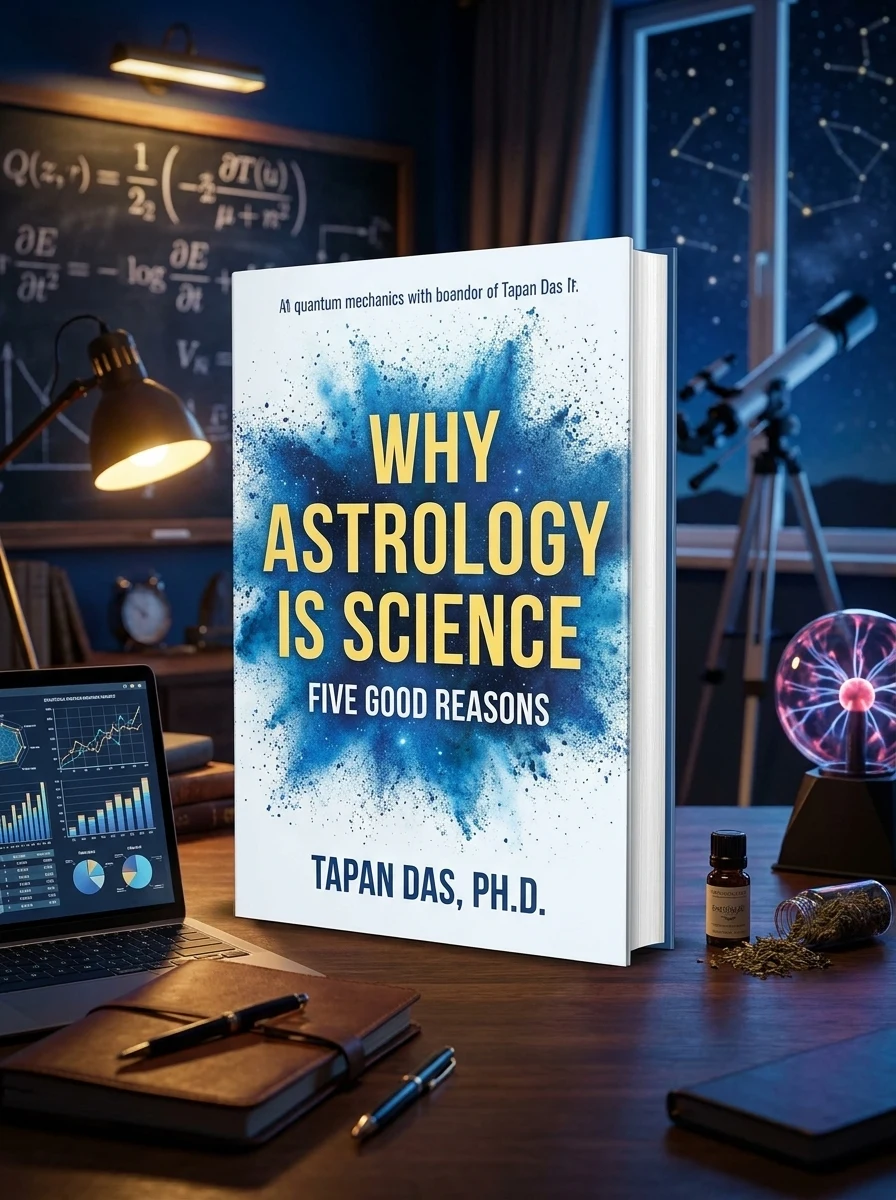
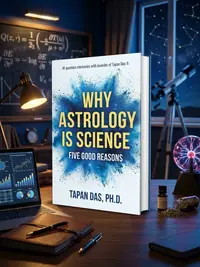
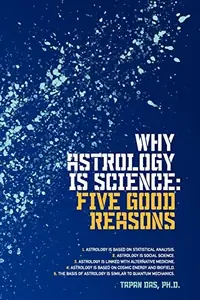
Why Astrology is Science: Five Good Reasons
Das, TapanStock reported in the catalog; fulfillment is confirmed with your request.
Uncover the scientific blueprint hidden within the stars.
Tapan Das, armed with advanced degrees, provocatively challenges the dismissal of astrology as mere superstition. This groundbreaking work meticulously dissects the philosophical and empirical foundations, asserting that celestial influences operate with a quantifiable, observable logic. Far from being a relic of the past, Das argues astrology possesses a rigorous framework, inviting readers to reconsider its place alongside established sciences. He offers compelling arguments, moving beyond anecdotal evidence to present a structured defense, aiming to elevate the ancient art to its rightful intellectual standing.
This work sits within the ongoing dialogue between traditional esoteric practices and modern scientific discourse, challenging the historical dichotomy that separates astrology from empirical study. It reflects a contemporary effort to legitimize ancient celestial arts through intellectual rigor rather than mere tradition.


📝 Description: Why Astrology is Science: Five Good Reasons
💎 Expert review
📖 Why choose it
Why this book is worth reading
Readers who have felt stifled by the rigid dismissal of astrology as mere superstition will find profound validation in Tapan Das’s provocative defense. This book is essential for those seeking to reconcile their spiritual interests with intellectual integrity, offering a structured framework that elevates celestial observation to a rigorous discipline. If you are weary of anecdotal fluff and desire a philosophical grounding that respects both the stars and logic, this text provides the missing blueprint. It invites a reevaluation of astrology’s place alongside established sciences, appealing to thinkers who crave quantifiable, observable logic in their metaphysical pursuits. Das offers a compelling argument for those ready to look beyond traditional boundaries and embrace a more sophisticated understanding of cosmic influence.
⭐ Reader reviews
Reader rating
Das presents a bold, albeit controversial, assertion that astrology operates on a quantifiable logic worthy of scientific consideration. While the author’s advanced degrees lend an air of authority, the work remains a niche philosophical treatise rather than a practical guide. It does not suit readers seeking traditional horoscope readings or those who prefer astrology strictly as a spiritual or mystical practice devoid of empirical claims. Skeptics may find the arguments unconvincing due to their departure from mainstream scientific consensus. However, for those already inclined to view the stars through a lens of structured inquiry, this book offers a stimulating, albeit dense, intellectual challenge that demands serious engagement with its core thesis.
❓ Frequently asked questions
📖 Who should read this
If you've ever felt a deeper resonance with celestial patterns, or are curious to explore a rigorous defense of astrology, this book is for you. It challenges both staunch skeptics and uncritical believers to engage intellectually.
🎯 Key themes and symbolism
Astrology's Scientific Foundation
Das systematically explores how astrological principles can be understood through a scientific lens, examining correlations and mechanisms often overlooked by mainstream science. He posits that the intricate dance of planetary positions may exert measurable, if subtle, effects on terrestrial life, offering five core arguments to support this controversial claim against prevailing skepticism.
Challenging Scientific Skepticism
This book directly confronts the prevailing scientific skepticism surrounding astrology, dissecting common criticisms and offering reasoned counter-arguments. Das aims to dismantle preconceived notions, inviting readers to approach the subject with an open, analytical mind, rather than dismissing it outright based on popular misinterpretations or a lack of rigorous inquiry.
Modern Reinterpretation of Astrology
Moving beyond traditional horoscopes, the author re-frames astrology as a sophisticated system of observation and pattern recognition. He seeks to bridge ancient wisdom with contemporary scientific understanding, suggesting that its predictive and descriptive power, when properly understood, aligns with modern scientific methodology, albeit through an unconventional paradigm.
💬 Quotes from the book
“The dismissal of astrology as mere superstition often stems from a superficial understanding, ignoring centuries of observational data. True science demands closer scrutiny, not immediate rejection.”
“If we acknowledge the Moon's tangible influence on tides, why do we so readily deny the more subtle, yet equally pervasive, effects of other celestial bodies on biological systems?”
📜 Historical context
📚 Glossary
- Sun Sign
- Empirical
- Pseudoscience
📔 Questions to reflect on
- Before reading, what were your preconceived notions about astrology's scientific validity? How have they been challenged or reinforced?
- Das argues for five reasons astrology is science. Which of these arguments do you find most compelling, and why?
- Consider how the scientific community's current paradigms might limit its ability to investigate phenomena like astrology. What new approaches might be needed?
✍️ More books by this author Das, Tapan
All books by this author →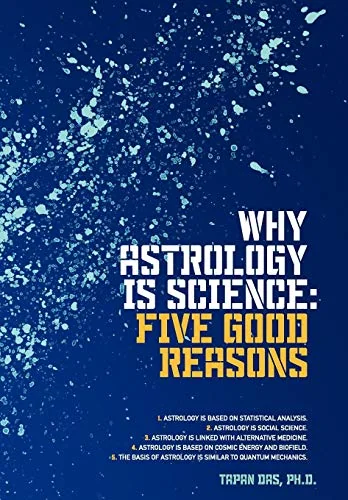
🏛 Books from this publisher iUniverse
All books from this publisher →



You might also like
See more →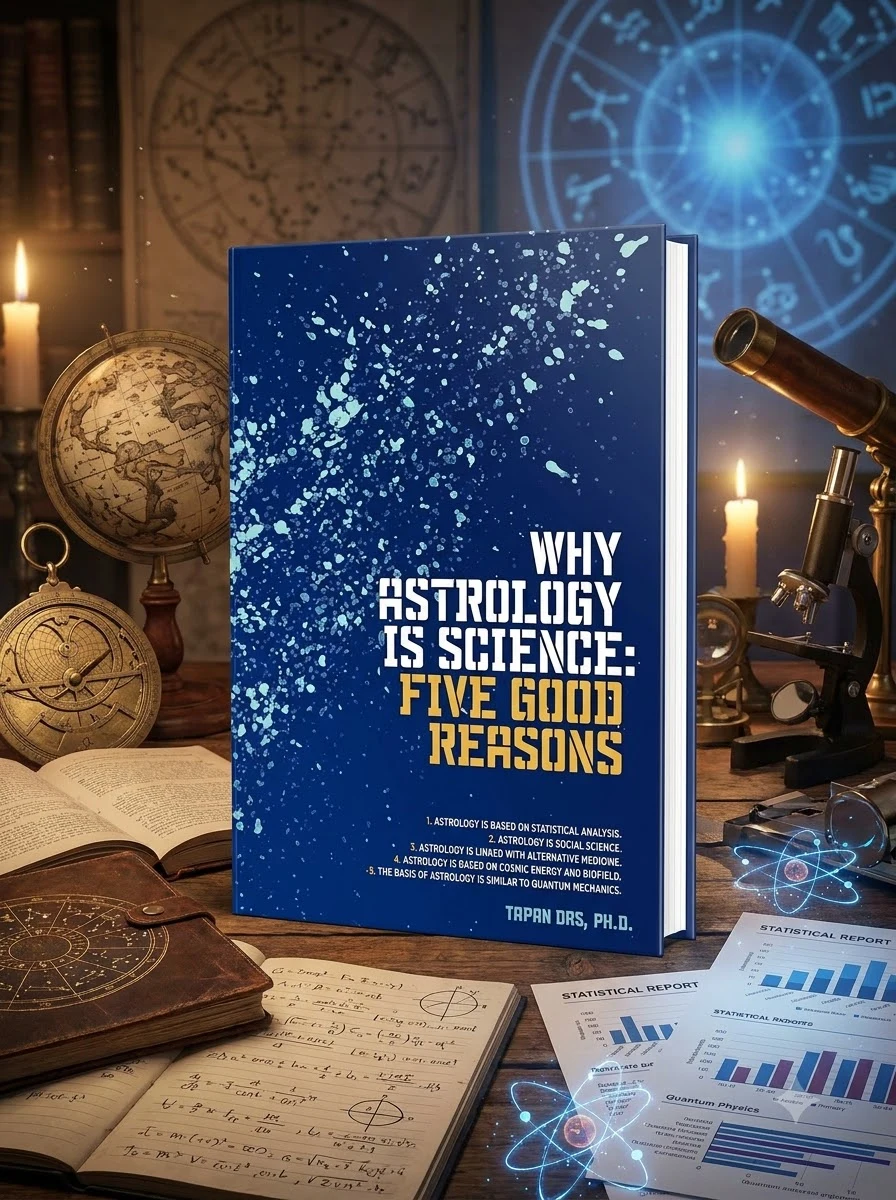
 89
89