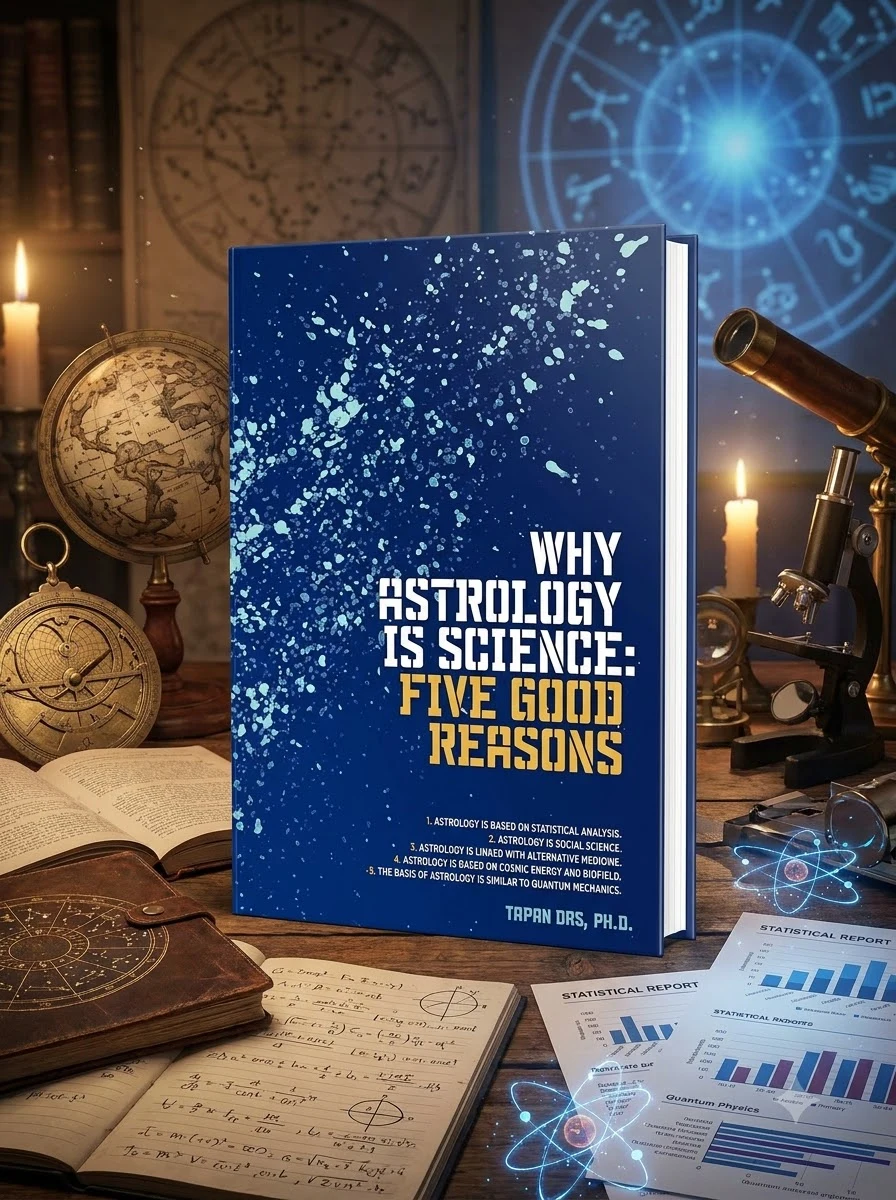
Why Astrology is Science: Five Good Reasons
Das, TapanStock reported in the catalog; fulfillment is confirmed with your request.
Unravel the cosmic code: is astrology a forgotten science?
Tapan Das challenges conventional wisdom by meticulously exploring the scientific underpinnings of astrology. Drawing upon his background in electronic engineering, he presents five compelling arguments that position this ancient practice not as mere superstition, but as a legitimate field of inquiry. This work aims to bridge the gap between empirical methodology and the subtle influences of celestial bodies, inviting readers to reconsider long-held assumptions about cosmic connections and human experience.
This work emerges from the ongoing dialogue within modern esoteric circles that seeks to reconcile traditional astrological practices with contemporary scientific frameworks. It reflects a specific niche where engineering logic intersects with metaphysical inquiry, challenging the boundary between superstition and empirical study.


📝 Description: Why Astrology is Science: Five Good Reasons
💎 Expert review
📖 Why choose it
Why this book is worth reading
Readers who feel constrained by the rigid dichotomy between empirical science and spiritual intuition will find profound resonance in this text. Tapan Das offers a unique bridge for those with a technical or analytical mindset, allowing them to explore cosmic influences without abandoning logical rigor. If you have ever struggled to justify astrology’s validity to skeptics or scientific peers, this book provides the structural arguments necessary to defend the practice. It is ideal for seekers who value intellectual honesty and wish to understand the 'how' behind celestial impacts on human experience. By leveraging an engineering background, Das makes the esoteric accessible to those who typically dismiss it, turning confusion into clarity and skepticism into informed appreciation.
⭐ Reader reviews
Reader rating
Das presents a structured defense of astrology that will appeal primarily to readers with STEM backgrounds or those seeking logical validation for their spiritual interests. However, this work is not suited for traditional astrologers who prefer symbolic interpretation over technical argumentation, nor will it convince hardline skeptics who reject the premise entirely. The text relies heavily on the author’s specific five-point framework, which may feel repetitive to those already versed in scientific metaphysics. It serves best as a bridge text rather than a comprehensive manual. Readers expecting deep mythological analysis or historical context will likely find the focus too narrowly technical. Ultimately, it is a niche argument that succeeds in its specific goal of legitimizing astrology through an engineering lens.
❓ Frequently asked questions
📖 Who should read this
For those who feel the cosmic pull but question astrology's scientific standing, or for skeptics seeking a rigorous intellectual challenge, this book is essential. Prepare to have your perceptions of ancient wisdom and modern science profoundly reshaped.
🎯 Key themes and symbolism
Astrology as Empirical Science
Das dissects mechanisms through which planetary alignments might exert measurable effects. He argues for a rigorous, data-driven approach, proposing that astrology's principles can withstand scientific scrutiny, moving it beyond anecdote into verifiable observation and theory. This redefines astrology's potential, positioning it within a framework of testable hypotheses.
Challenging Scientific Skepticism
This book directly confronts prevailing skepticism surrounding astrology. Das systematically dismantles common criticisms, offering counter-arguments rooted in logical reasoning and open inquiry. He pushes readers to question inherited biases, urging a re-evaluation of how this ancient body of knowledge has been dismissed without adequate scientific investigation.
An Engineer's Perspective
Leveraging his engineering background, Das brings unique analytical rigor to celestial influences. His approach applies systematic engineering principles to astrological phenomena, offering a fresh lens. This moves away from purely interpretative traditions towards a structured, potentially quantifiable understanding of cosmic patterns and their earthly reflections, emphasizing methodical analysis.
💬 Quotes from the book
“The universe operates on principles, not whims. If astrology reflects a truth, it must be discernible through measurable patterns, not just subjective experience.”
“Dismissing an ancient system merely because its mechanisms aren't yet fully understood is not science; it is intellectual arrogance. We must dare to investigate.”
📜 Historical context
📚 Glossary
- Sun Sign
- Empirical
- Celestial Mechanics
📔 Questions to reflect on
- How has your personal experience with astrology (or lack thereof) influenced your openness to scientific inquiry into its claims?
- What criteria do you believe an ancient practice like astrology must meet to be considered a 'science' in the modern sense?
- Consider one astrological concept you're familiar with. How might an engineer like Das approach testing its validity or underlying mechanism?
✍️ More books by this author Das, Tapan
All books by this author →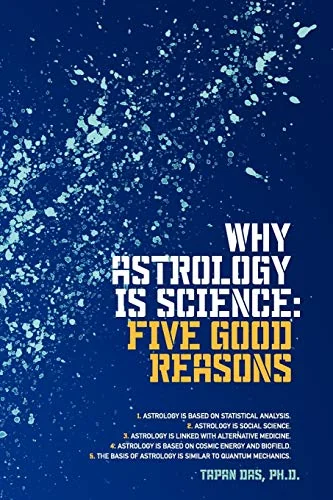
🏛 Books from this publisher iUniverse
All books from this publisher →




You might also like
See more →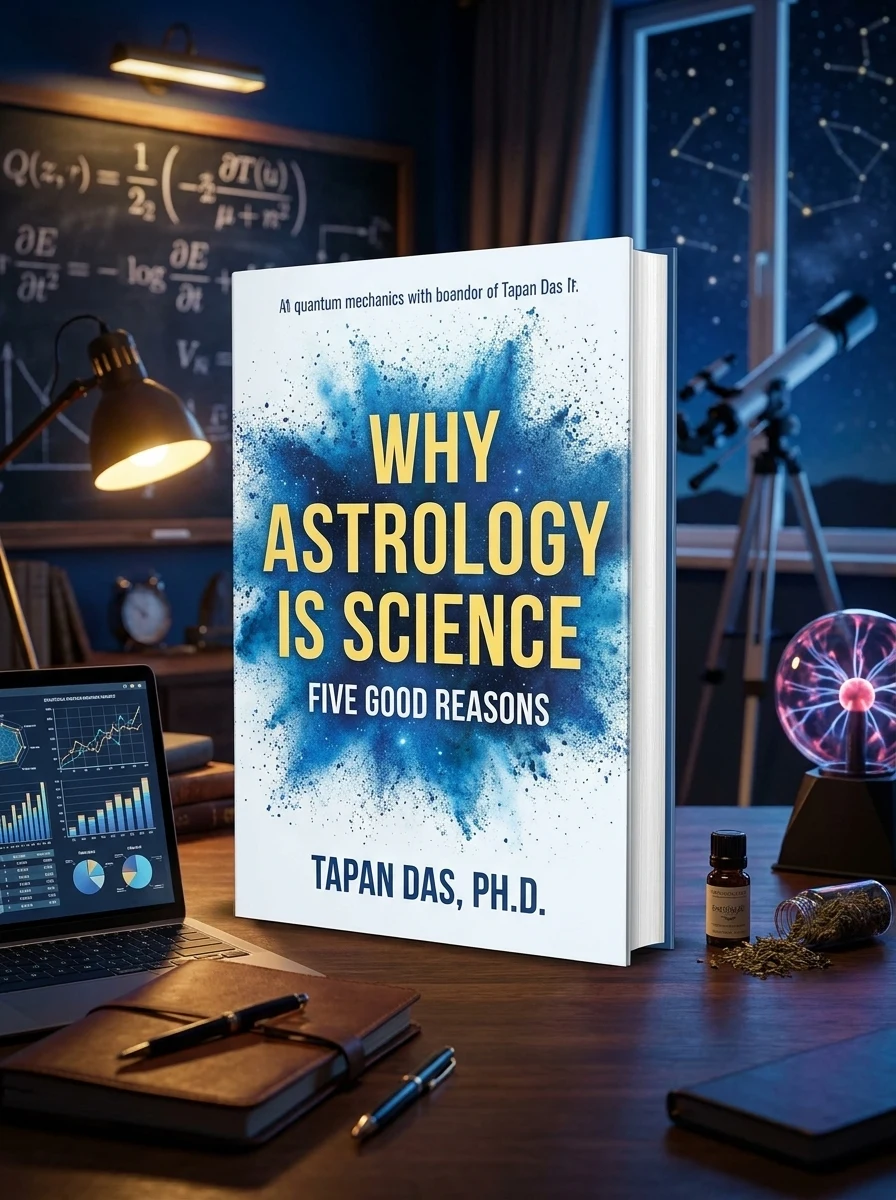
 89
89