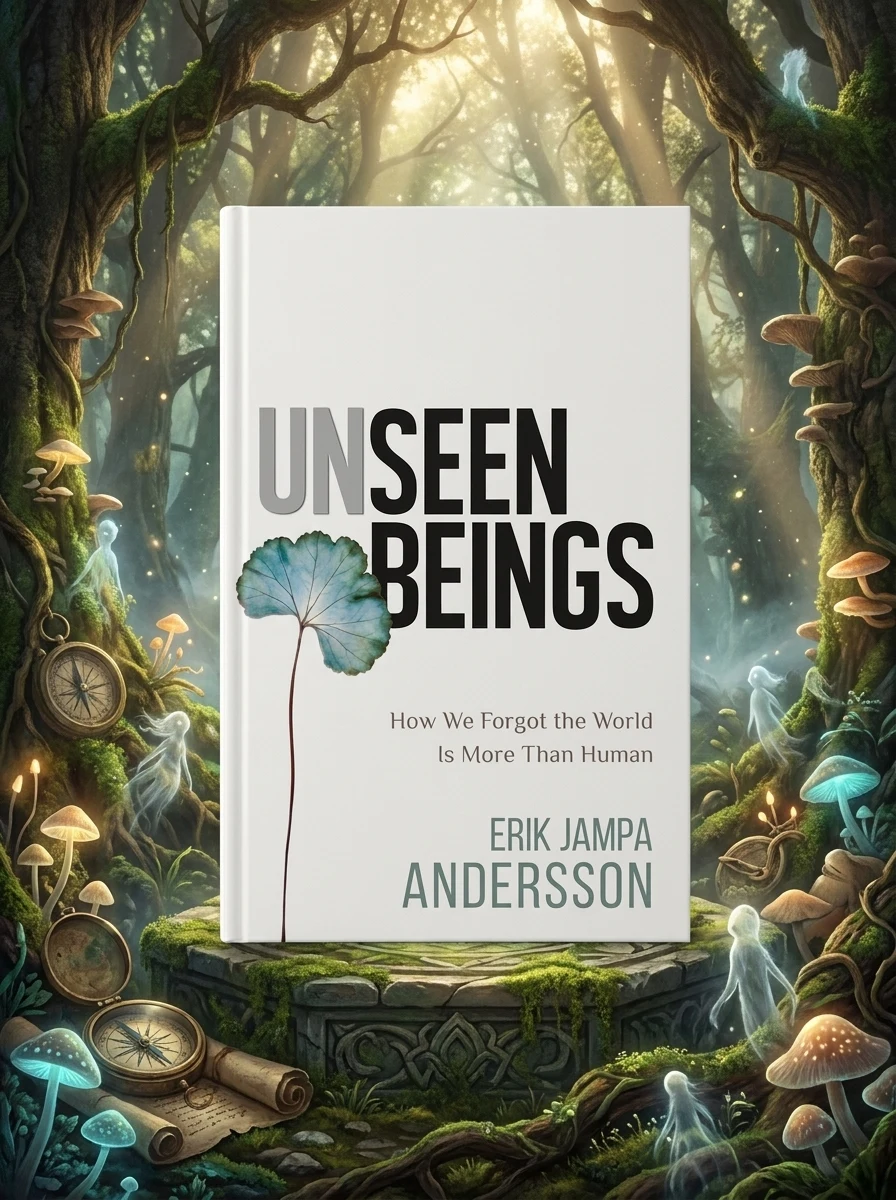
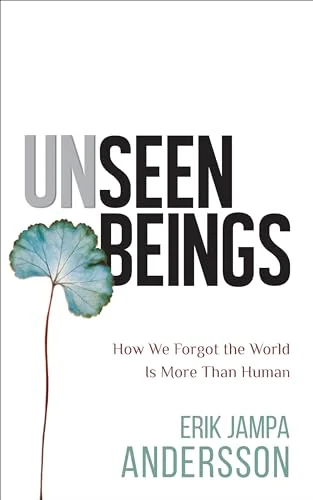
Unseen Beings: How We Forgot the World Is More Than Human
Erik Jampa Andersson’s "Unseen Beings" challenges our anthropocentric worldview, arguing that humanity’s disconnect from the more-than-human realm is at the root of our ecological crisis. Drawing deeply from traditional eco-philosophies and Buddhist wisdom, Andersson reframes the climate catastrophe not merely as a scientific problem, but as a systemic illness stemming from a forgotten reverence for the Earth. This book offers a revolutionary perspective, urging a profound shift in consciousness to reimagine our place within an interconnected and vibrant cosmos, fostering a path toward genuine planetary healing.


Praise for this book
“Unseen Beings is a profound and much-needed book that takes us beyond the important but numbing statistics of what's occurring on our planet. Erik Jampa Andersson points out the underlying causes - our anthropocentrism and lack of awareness of the vital roles that unseen, but very much present, beings play in our lives - and the peril of ignoring them.”
📝 Description: Unseen Beings: How We Forgot the World Is More Than Human
💎 Expert review
📖 Why choose it
Why this book is worth reading
Readers seeking a profound shift in consciousness will find this book essential. It is ideal for those feeling disconnected from nature or overwhelmed by the ecological crisis, offering not just analysis but a path to healing. By reframing climate issues as systemic spiritual illness, it invites you to rediscover reverence for unseen life. If you crave a worldview that honors the more-than-human realm and seeks genuine planetary harmony through Buddhist wisdom and eco-philosophy, this text provides the revolutionary perspective needed to reimagine your place in the cosmos.
⭐ Reader reviews
Reader rating
Andersson delivers a compelling argument against human dominion, weaving Buddhist insights with ecological urgency. The tone is warm and inviting, encouraging readers to heal their relationship with Earth. However, it does not suit those seeking hard scientific data or secular environmental policy solutions. Readers expecting rigorous academic critique of capitalism may find the spiritual framing too abstract or insufficiently grounded in materialist analysis. It is best for those already open to metaphysical approaches rather than skeptics demanding empirical proof.
❓ Frequently asked questions
📖 Who should read this
For seekers disillusioned by conventional environmental approaches, those yearning for a deeper, spiritual connection to the Earth, and anyone ready to question anthropocentric assumptions to forge a truly sustainable future. This is for the soul seeking to re-enchant the world.
🎯 Key themes and symbolism
Challenging Human-Centrism
The book meticulously deconstructs the historical and philosophical underpinnings of our human-centric worldview. It reveals how this narrow perspective has led to ecological degradation and spiritual impoverishment, advocating for a radical reorientation that acknowledges the inherent value and agency of all beings, visible and invisible, within a vast, interconnected ecosystem.
Ancient Wisdom, Modern Crisis
Andersson masterfully integrates the profound insights of Buddhist philosophy and various traditional ecological knowledge systems. He presents these ancient wisdom traditions not as relics of the past, but as vital frameworks for understanding and addressing contemporary environmental challenges, emphasizing compassion, interdependence, and a holistic, spiritual approach to planetary well-being.
Ecological Diagnosis and Treatment
Framing the climate crisis as a multifaceted disease of perception, "Unseen Beings" offers a diagnostic lens that examines its historical causes and conditions. Beyond merely identifying symptoms, the book proposes a transformative 'treatment'—a fundamental shift in consciousness and a renewed, reverent relationship with the natural world—as the only sustainable path to healing.
📜 Historical context
📚 Glossary
- Anthropocentrism
- Eco-philosophy
- Interdependence
📔 Questions to reflect on
- How has a human-centric view influenced your own perception of the natural world, and what might you gain by actively challenging it?
- Consider a specific environmental issue you care about. How might framing it as a symptom of a deeper spiritual or philosophical imbalance change your approach to it?
- What 'unseen beings' or non-human perspectives might you intentionally seek to acknowledge and connect with in your daily life, and how might this practice shift your awareness?