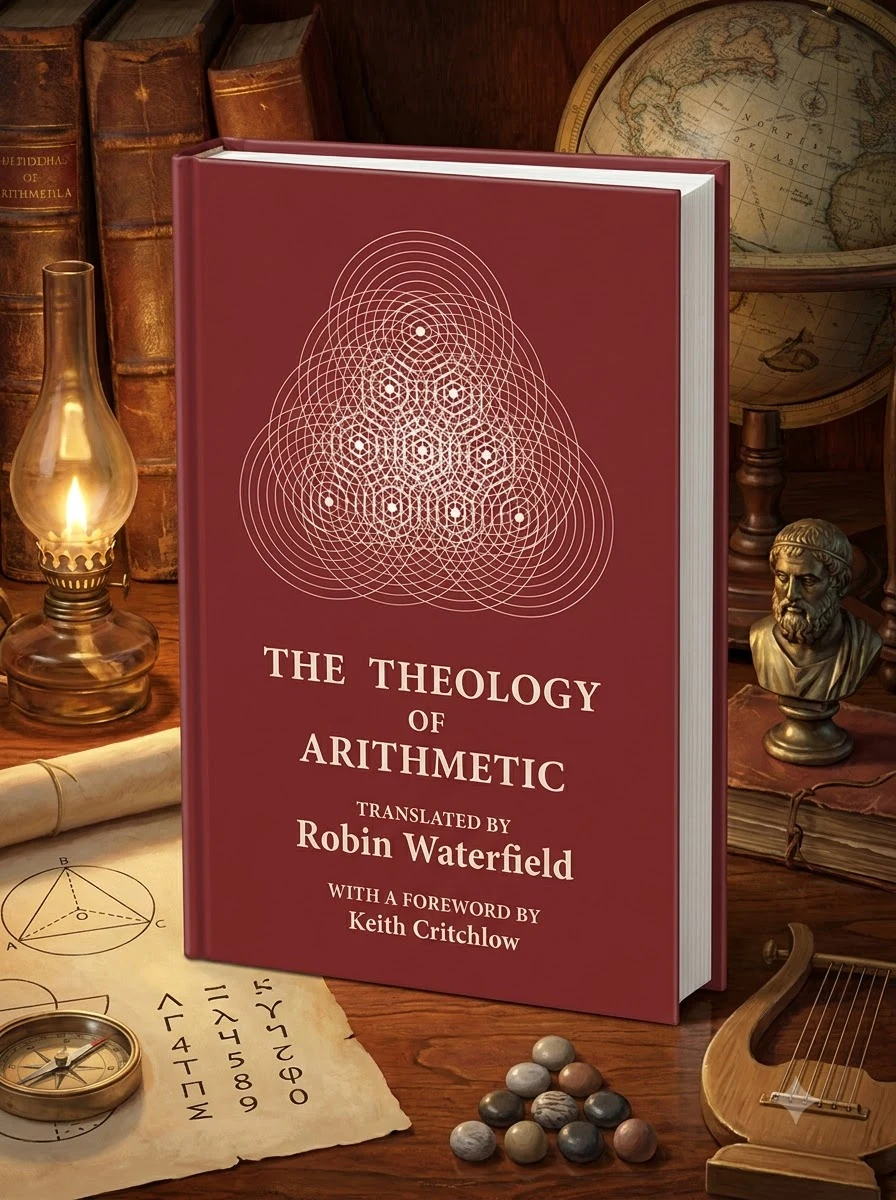
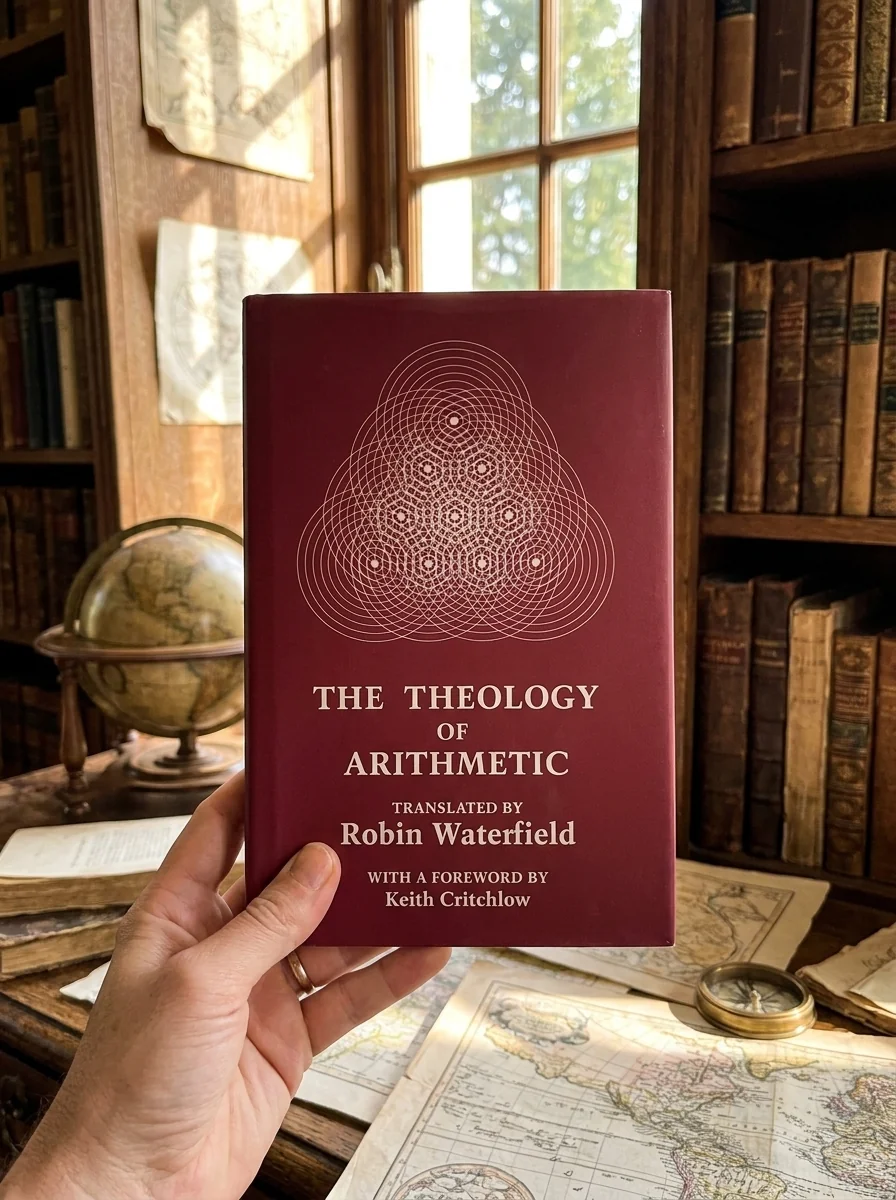
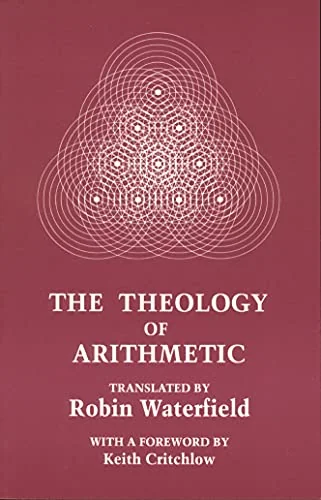
The Theology of Arithmetic
Iamblichus's "Theology of Arithmetic" presents an unparalleled exploration into the profound, interconnected meanings of the numbers one through ten. This meticulously translated ancient text delves deep into the mystical, mathematical, and cosmological significance attributed to these fundamental digits, revealing them as keys to understanding the universe. As the most extensive surviving ancient work on numerology, it offers invaluable insights into Pythagorean and Neoplatonic thought. Robin Waterfield’s expert rendition, enhanced by critical footnotes and an extensive glossary, makes this foundational text accessible to contemporary seekers of esoteric wisdom.


📝 Description: The Theology of Arithmetic
💎 Expert review
📖 Why choose it
Why this book is worth reading
Scholars of the Western esoteric tradition and dedicated seekers of Hermetic wisdom will find this volume indispensable. It offers a rare, direct window into the ancient mind that viewed mathematics not merely as calculation but as the very language of cosmic architecture. Robin Waterfield’s translation, supported by critical footnotes and a glossary, demystifies Iamblichus’s dense prose for modern readers. Those fascinated by the intersection of sacred geometry, Neoplatonism, and early metaphysical speculation will appreciate how the first ten numbers are presented as fundamental keys to universal understanding. It is essential reading for anyone wishing to grasp the foundational numerological concepts that underpin much of subsequent occult philosophy.
⭐ Reader reviews
Reader rating
While this edition provides a crucial scholarly resource for those studying the lineage of Hermeticism and Neoplatonism, it demands patience and intellectual rigor. The dense metaphysical arguments and extensive footnotes may alienate casual readers or those seeking practical magical techniques rather than philosophical exposition. It is not suited for individuals who prefer accessible pop-occultism or straightforward numerology guides without historical context. However, for serious students of the subject, Waterfield’s expert rendition clarifies complex ideas effectively. The inclusion of a glossary aids navigation through specialized terminology, making this a valuable, albeit demanding, addition to any serious library dedicated to the history of esoteric thought.
❓ Frequently asked questions
📖 Who should read this
For those drawn to the mystical underpinnings of mathematics, the profound insights of Neoplatonism, or the enduring legacy of Pythagorean thought, this volume is essential. If you seek to understand the universe through the symbolic language of numbers, prepare for a journey of deep intellectual and spiritual discovery.
🎯 Key themes and symbolism
Sacred Number Symbolism
This cornerstone work meticulously unravels the esoteric meanings embedded within the first ten numbers. It presents them not merely as quantities, but as divine principles and archetypal patterns that govern the structure of the cosmos, human consciousness, and the very nature of reality, revealing a hidden theological dimension.
Pythagorean & Neoplatonic Roots
The text serves as a direct conduit to the profound numerical philosophies of Pythagoras and the subsequent Neoplatonic tradition. It explores how these schools viewed numbers as foundational to metaphysics, ethics, and spiritual ascent, demonstrating their enduring influence on Western esoteric thought and philosophical inquiry into the divine.
Metaphysical & Cosmological Insight
Through the lens of arithmetic, Iamblichus offers a unique perspective on the universe's metaphysical blueprint. The book posits that numbers are not abstract concepts but active forces that shape the cosmos, providing a framework for understanding the divine order, the structure of existence, and humanity's place within this grand design.
📜 Historical context
📚 Glossary
- Iamblichus
- Neoplatonism
- Pythagoreanism
📔 Questions to reflect on
- How might understanding numbers as archetypal forces, rather than abstract symbols, shift your perception of reality?
- Reflect on the concept of "theology of arithmetic." What divine attributes or principles can you identify within the structure of numbers themselves?
- Consider a number you encounter daily (e.g., your birth date, a significant address). How might a Pythagorean approach reveal hidden meanings or connections within it?