The Six Archetypes of Love: From Orphan to Magician
Hunter, Allan G

This edition can be ordered. No arrival date is confirmed.
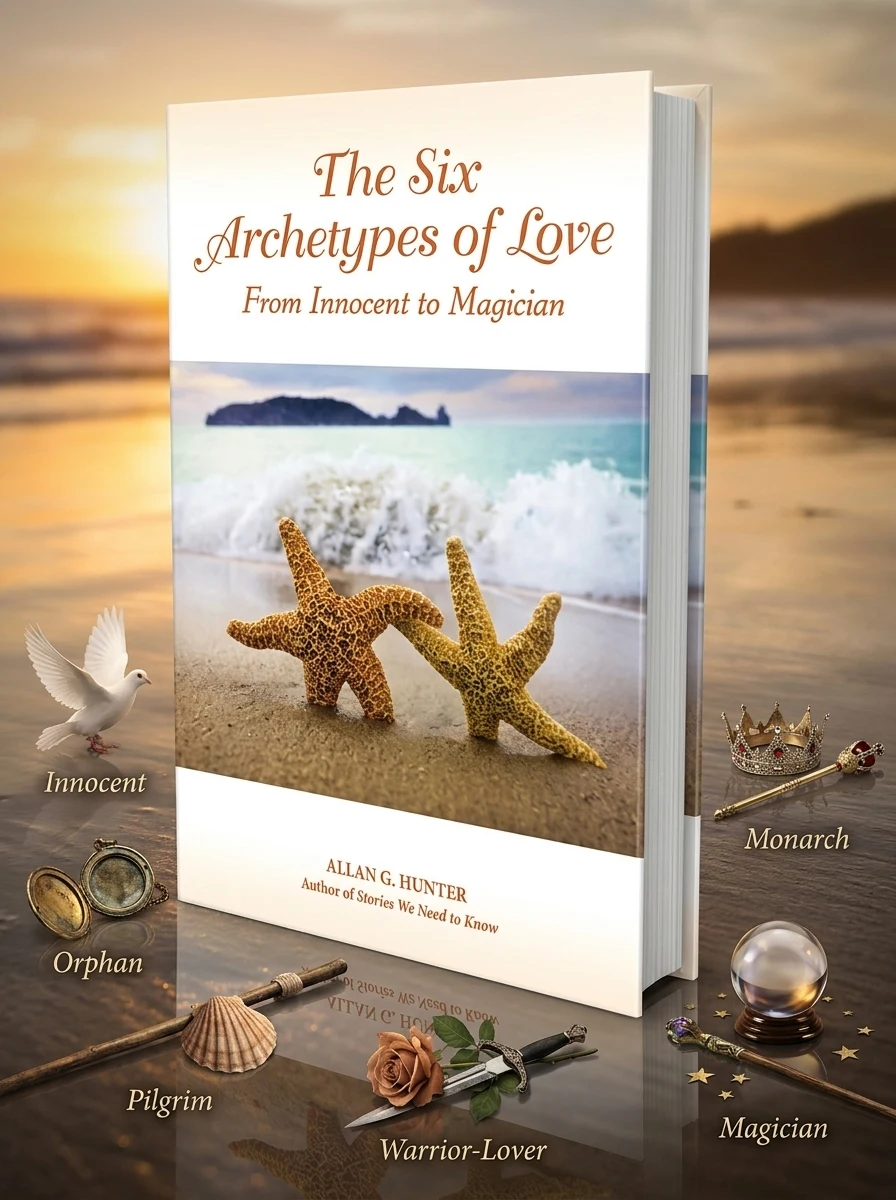
Six archetypes guide your soul's journey through the labyrinth of love, from orphan to magician.
Allan G. Hunter maps the intricate terrain of romantic attachment through six distinct spiritual stages. He argues that our capacity to love evolves alongside our self-awareness, moving from naive innocence to empowered mastery. By aligning personal relationship struggles with universal patterns, the text reveals how unresolved trauma in one stage blocks growth in the next. Readers will find practical strategies for recognizing their current archetype, understanding its limitations, and consciously shifting toward a more mature expression of intimacy that honors both the self and the other.
This work sits firmly within the New Age and esoteric psychology traditions, utilizing Jungian archetypal theory to interpret romantic dynamics. It bridges spiritual development with interpersonal relationships, reflecting a contemporary interest in inner alchemy and self-actualization through love.


📝 Description: The Six Archetypes of Love: From Orphan to Magician
💎 Expert review
📖 Why choose it
Why this book is worth reading
Readers seeking to understand the deeper spiritual mechanics of their romantic lives will find profound value in this guide. It is ideal for those feeling stuck in repetitive relational patterns or who wish to consciously evolve their capacity for intimacy. By identifying which of the six archetypes currently governs their behavior, individuals can recognize how unresolved trauma blocks future growth. The book offers practical strategies for shifting toward a more mature expression of connection that honors both self and partner. It serves as a compassionate map for navigating the labyrinth of love, transforming naive innocence or orphaned pain into empowered mastery. If you desire a framework that links personal relationship struggles to universal spiritual patterns, this text provides the clarity needed to move from conflict to conscious partnership.
⭐ Reader reviews
Reader rating
As someone who reads a lot in this field, I can be picky. Plenty of passages worth underlining; my copy is already full of margin notes. It's become a regular reference in my practice. Well worth it.
This edition finally does the material justice. I found myself reading passages aloud just to sit with them. It reads better in small doses — a chapter at a time with notes. Some archaic spellings slow things down. Good, with the caveats above.
Added this to my reference shelf. It's become a regular reference in my practice. Deserves a place on any esoteric bookshelf.
As someone who reads a lot in this field, I can be picky. The ideas are old but land with surprising force today. You can tell why this work has endured. Delivery took a bit longer than quoted. Recommended with reservations.
This has been on my wishlist for months. I appreciated how the argument builds steadily from first principles. Some chapters demand a slow, careful read, and that's exactly the point. Already eyeing my next order.
Needed this for my research. It pairs well with more modern commentaries on the same tradition. Every rereading turns up something I missed. Delivery took a bit longer than quoted.
Arrived faster than expected and well packaged. Challenging in places, but never needlessly obscure. It pairs well with more modern commentaries on the same tradition. Some archaic spellings slow things down. Recommended with reservations.
Hunter’s exploration of romantic attachment through six spiritual stages offers a structured approach to emotional evolution. The strength lies in its clear mapping of how self-awareness drives loving capacity, providing actionable insights for those ready to do the work. However, readers seeking quick fixes or purely biological explanations for attraction may find the esoteric framing too abstract. Those who prefer secular psychology over archetypal spirituality might feel disconnected from the mystical undertones. The book demands introspection and a willingness to confront internal blockages rather than blaming external partners. It is not suitable for cynics or those unwilling to engage with the concept of soul growth through relationship dynamics.
❓ Frequently asked questions
📖 Who should read this
Seekers feeling stuck in repetitive relationship patterns who crave a structured, spiritual framework for healing. Ideal for those tired of superficial advice, ready to do the deep inner work required to transform romantic longing into conscious, empowered partnership.
🎯 Key themes and symbolism
Archetypal Evolution
The book posits that love is not static but developmental. Each archetype represents a necessary phase of spiritual maturation, where specific lessons must be learned before advancing. Misunderstanding your current stage leads to repeating old patterns, while recognizing it allows for conscious transition and deeper connection.
Tarot as Mirror
Hunter uses Tarot imagery not for divination but as psychological mirrors. The visual symbols serve as anchors for understanding the emotional landscape of each archetype. This approach grounds abstract spiritual concepts in tangible, recognized symbols, making the internal work of love more accessible and less intimidating for the modern seeker.
Trauma to Mastery
The narrative traces the path from the wounded Orphan to the sovereign Magician. It emphasizes that healing is not about erasing pain but integrating it into a larger narrative of power. Love becomes the crucible for this transformation, demanding honesty and courage to move from dependency to mutual empowerment.
💬 Quotes from the book
“Love is not a destination but a mirror reflecting our stage of spiritual growth.”
“We must die to the orphan before we can birth the magician.”
📜 Historical context
📚 Glossary
- The Innocent
- The Orphan
- The Magician
📔 Questions to reflect on
- Which archetype feels most alive in your current relationships, and what fears might be holding you there?
- How does the Tarot image of your 'Orphan' phase appear in your daily interactions with partners?
- What would it look like to practice 'Magician' love in a conflict you are currently avoiding?
✍️ More books by this author Hunter, Allan G
All books by this author →

🏛 Books from this publisher Findhorn Press
All books from this publisher →
You might also like
See more →