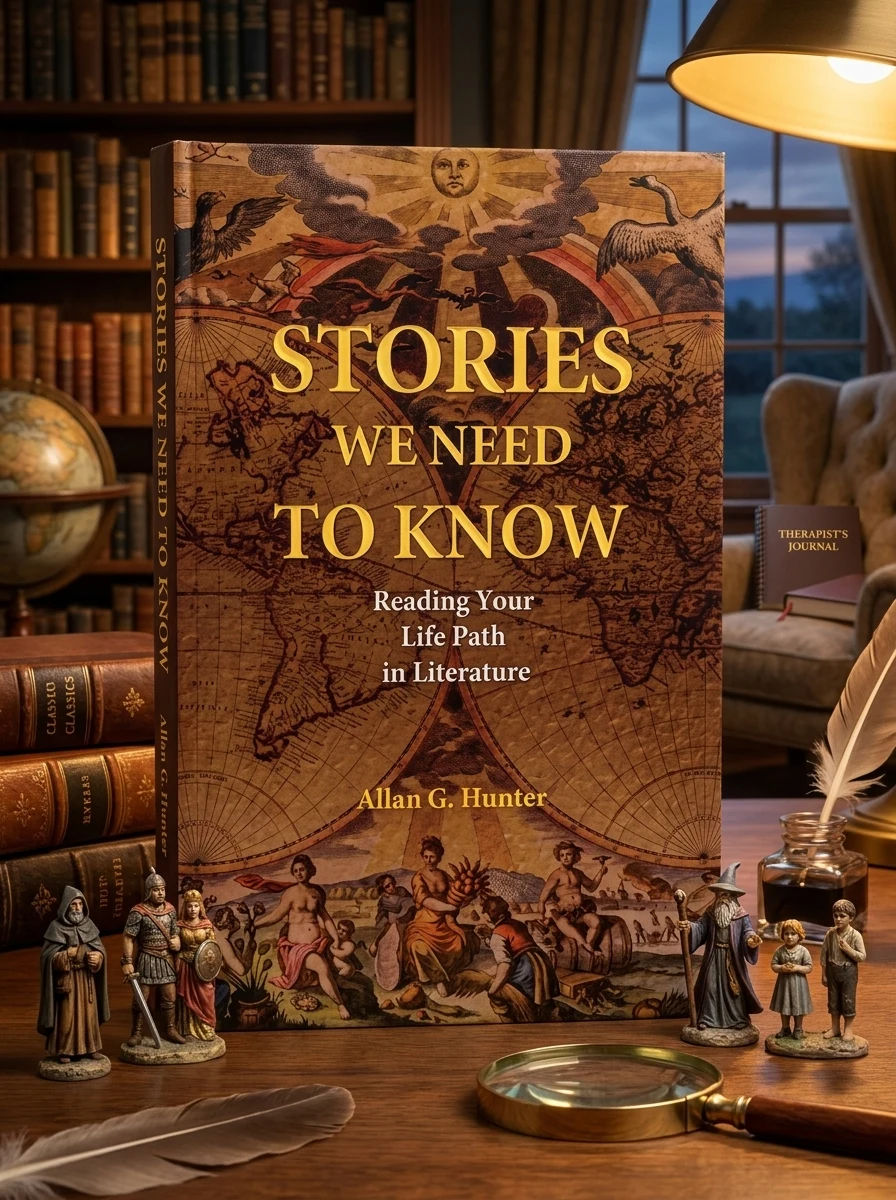
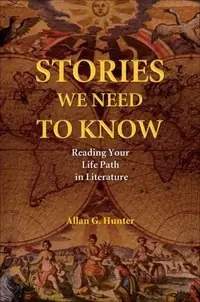
Stories We Need to Know: Reading Your Life Path in Literature
Hunter, Allan GThis edition can be ordered. No arrival date is confirmed.
Six ancient archetypes from four millennia of literature illuminate the hidden paths of your personal spiritual journey.
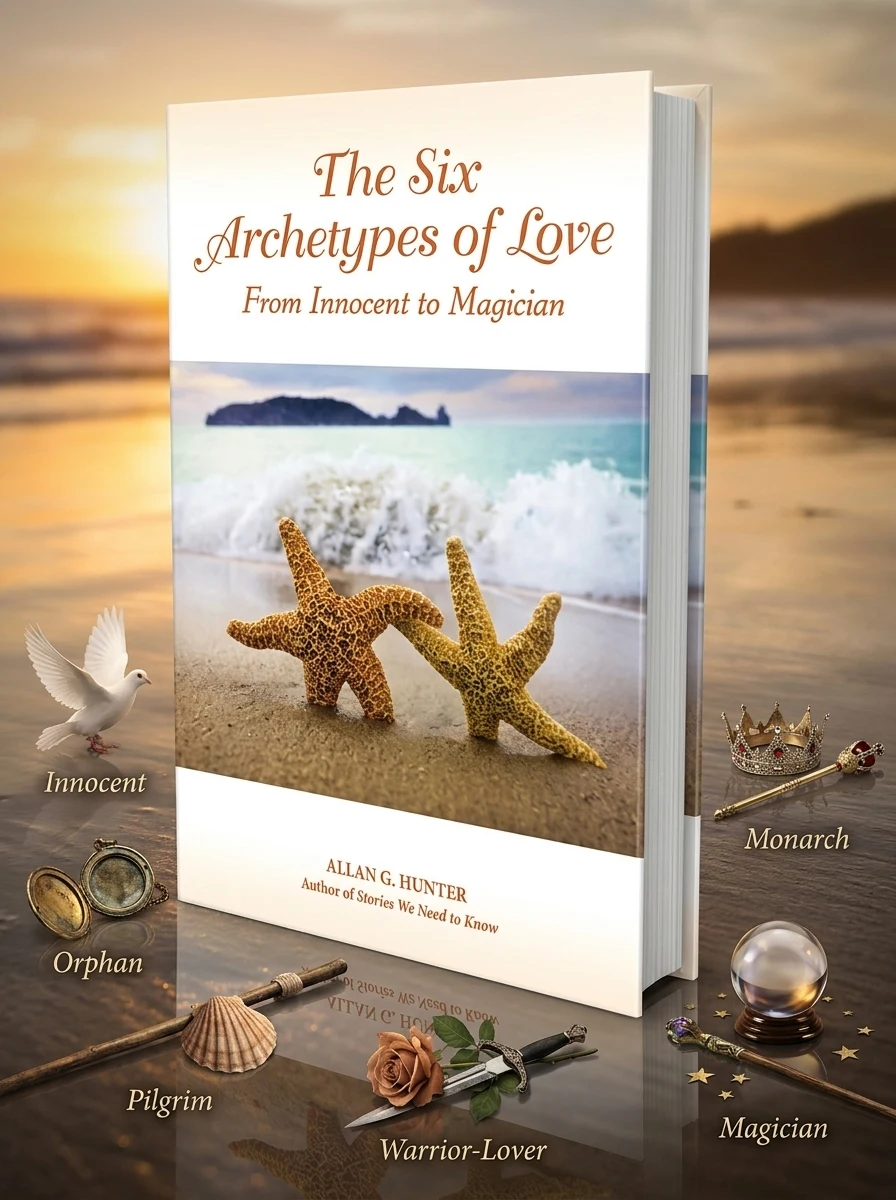
Allan G. Hunter bridges the gap between clinical psychology and literary analysis, offering a roadmap for those feeling lost in modern existence. By examining six enduring archetypes—the Innocent, the Orphan, the Pilgrim, the Warrior-Lover, the Monarch, and the Magician—he demonstrates how great works of fiction serve as mirrors for the soul. This volume argues that engaging with classic narratives allows us to recognize our own unmet spiritual needs, particularly for adolescents disconnected from their inner lives by the noise of consumer culture. It is a guide to finding meaning through the timeless structures of storytelling.
This work sits at the intersection of depth psychology and literary criticism, drawing upon Jungian archetypal theory to interpret centuries of Western narrative tradition. It reflects a contemporary spiritual seeking that looks to classic literature as a primary source for personal transformation and self-understanding.


📝 Description: Stories We Need to Know: Reading Your Life Path in Literature
💎 Expert review
📖 Why choose it
Why this book is worth reading
Adolescents and adults alike who feel disconnected by the noise of consumer culture will find profound solace in this guide. By framing spiritual growth through six enduring archetypes, the book offers a tangible roadmap for those lost in modern existence. It is ideal for readers seeking to recognize their unmet spiritual needs through the mirror of classic fiction. Those craving meaning beyond materialism will appreciate how Hunter bridges psychology and literature, transforming ancient stories into active tools for inner navigation and personal awakening.
⭐ Reader reviews
Reader rating
Ordered this after seeing it referenced in another book I was studying. The language takes some getting used to, but it becomes part of the charm. Glad I finally picked this up.
My book club chose this last month. It connects ideas I'd only seen treated separately elsewhere. Some archaic spellings slow things down. Good, with the caveats above.
I keep coming back to this one. I appreciated how the argument builds steadily from first principles. If you're drawn to this subject, don't hesitate.
Honestly wasn't sure what to expect, but I'm impressed. The text itself is dense but rewarding — you get out what you put in. It reads better in small doses — a chapter at a time with notes. Well worth it.
This has been on my wishlist for months. The language takes some getting used to, but it becomes part of the charm.
Arrived faster than expected and well packaged. It reads better in small doses — a chapter at a time with notes. Already eyeing my next order.
Hunter provides a compelling synthesis of literary analysis and psychological insight, effectively arguing that great narratives serve as mirrors for the soul. The archetypal framework is clear and accessible, making complex spiritual concepts digestible for a general audience. However, readers seeking rigorous academic criticism or strict historical data may find the approach too subjective. It is not suited for those who prefer hard science over metaphorical interpretation or who view literature solely as entertainment rather than a spiritual discipline. The tone is warm but assumes a genuine desire for self-work.
❓ Frequently asked questions
📖 Who should read this
Readers feeling adrift in the modern world, particularly parents of disconnected teens or individuals seeking a literary alternative to traditional self-help. It suits those who find comfort in stories and wish to apply narrative wisdom to their own psychological healing and spiritual development.
🎯 Key themes and symbolism
Literary Archetypes
The text dissects six fundamental character types found across four thousand years of global literature. Each archetype represents a distinct psychological stage and spiritual challenge. Hunter maps these patterns to help readers identify which narrative thread currently defines their personal growth, offering a structured way to understand recurring life struggles through the lens of classic storytelling.
Adolescent Therapy
Hunter specifically targets young people trapped in the passive consumption of television and mall culture. He posits that traditional therapy often fails youth who cannot articulate their spiritual hunger. By using literature as a therapeutic tool, he provides a bridge for teenagers to step away from digital distractions and engage with their inner world through the relatable, powerful arcs of mythic heroes.
Spiritual Meaning
The core argument is that unhappiness stems from ignoring our spiritual narrative. The book treats literature not merely as entertainment but as a diagnostic and healing instrument. It suggests that by aligning our lives with the wisdom found in great books, we can transform existential anxiety into purposeful action, finding direction through the collective unconscious preserved in written history.
💬 Quotes from the book
“Great books are the best mirrors for the soul, reflecting our unmet spiritual needs back to us with clarity.”
“We must step away from the screen to find the story written in our bones.”
📜 Historical context
📚 Glossary
- The Innocent
- The Orphan
- The Warrior-Lover
📔 Questions to reflect on
- Which of the six archetypes resonates most with your current life stage, and what does that suggest about your present challenges?
- Recall a moment when a character in a book mirrored your own hidden feelings. What did that reflection teach you?
- How might adopting the 'Pilgrim' mindset change your approach to your daily routine and long-term goals?
✍️ More books by this author Hunter, Allan G
All books by this author →


🏛 Books from this publisher Findhorn Press
All books from this publisher →

You might also like
See more →
 90
90