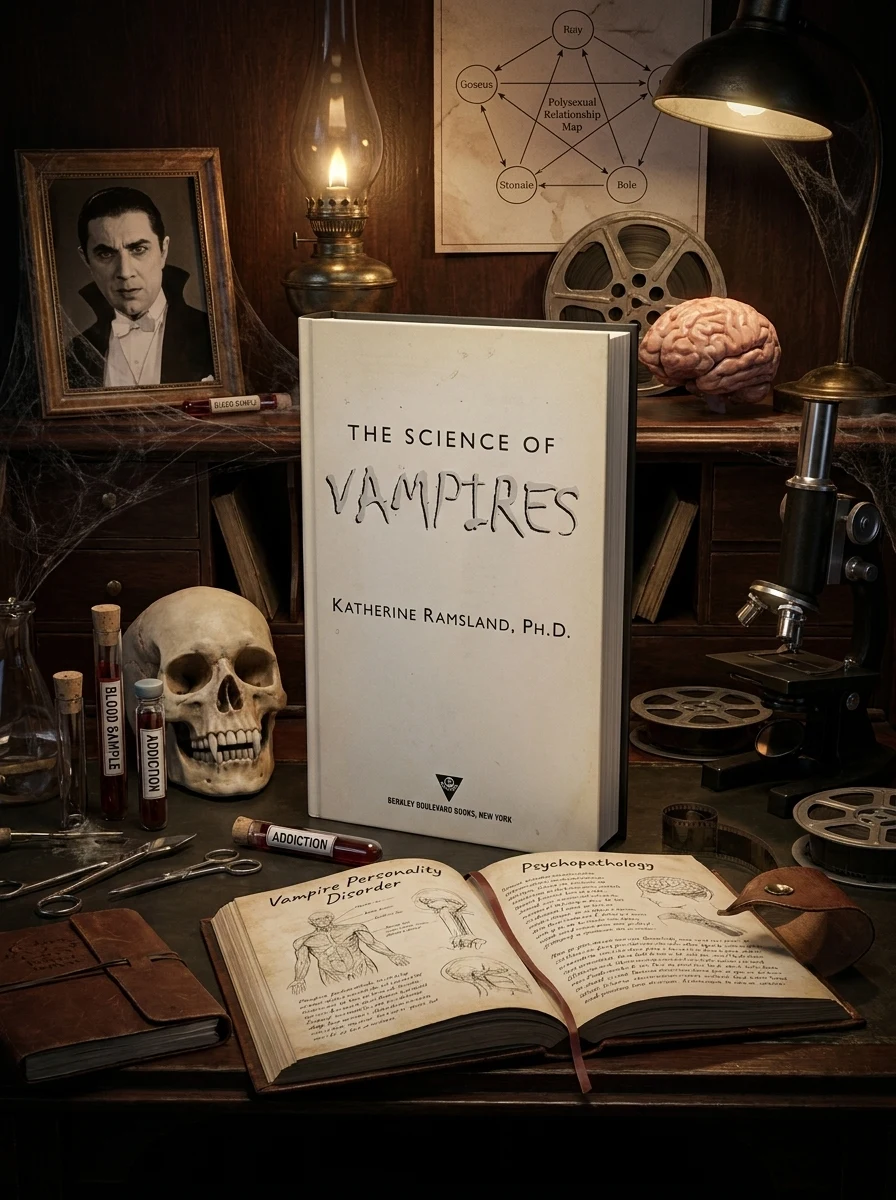
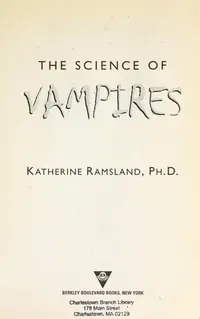
The Science of Vampires
Ramsland, Katherine

Stock reported in the catalog; fulfillment is confirmed with your request.
Unearth the chilling scientific truths hidden within vampire lore.
Katherine Ramsland delves into the enduring mystique of the vampire, dissecting its origins from folklore to contemporary pop culture. This insightful volume explores whether any real-world phenomena could have sparked these legends, examining medical conditions, psychological profiles, and the compelling human fascination with blood and immortality. From historical accounts of alleged vampirism to the complex portrayal of these creatures in modern media, Ramsland uncovers the scientific, social, and psychological underpinnings that continue to make vampires a compelling subject of study, bridging the gap between ancient fears and modern understanding.
This work sits firmly within the intersection of paranormal studies and forensic psychology, reflecting the modern trend of analyzing supernatural folklore through a rational, scientific lens. It bridges the gap between ancient cultural fears and contemporary academic inquiry into human fascination with immortality.


📝 Description: The Science of Vampires
💎 Expert review
📖 Why choose it
Why this book is worth reading
Readers fascinated by the intersection of history, psychology, and folklore will find this volume deeply rewarding. Katherine Ramsland offers a compelling dissection of vampire lore, moving beyond mere superstition to explore the medical and psychological realities that likely inspired these enduring myths. It is ideal for those who enjoy rigorous yet accessible non-fiction that demystifies the macabre. By examining alleged vampirism through scientific and social frameworks, the book provides clarity on why humans remain obsessed with blood and eternal life. It satisfies the curiosity of skeptics and believers alike, offering a grounded understanding of how ancient fears evolve into modern pop culture icons without relying on supernatural explanations.
⭐ Reader reviews
Reader rating
Ramsland successfully bridges folklore and forensic science, providing a structured analysis of vampire myths through medical conditions and psychological profiles. However, readers seeking authentic supernatural experiences or fictional horror narratives will find this dry and overly academic. The book is strictly an intellectual exploration, lacking the atmospheric dread or mystical allure typical of genre fiction. It suits those interested in cultural history and behavioral psychology more than occult practitioners looking for practical magical insights. While informative, its clinical tone may alienate casual readers expecting a traditional guide to vampiric lore rather than a scholarly dissection of its origins.
❓ Frequently asked questions
📖 Who should read this
If you're fascinated by the intersection of myth, psychology, and forensic science, or if you wonder about the real-world roots of our deepest fears, this book is for you. It appeals to those who seek a deeper understanding beyond mere fantasy.
🎯 Key themes and symbolism
Unmasking Vampire Origins
This book meticulously investigates whether medical conditions, psychological states, or historical phenomena might have given rise to the earliest vampire myths. It dissects the folklore, separating genuine human experiences from supernatural embellishments, and explores the scientific explanations behind beliefs in the undead.
The Vampire Psyche
Ramsland explores the complex psychological dimensions associated with vampirism, from hypothetical "Vampire Personality Disorder" to the allure of blood consumption. It delves into the minds of those who identify with or exhibit traits resembling vampirism, and the psychological impact on both the "vampire" and their "victims."
Evolving Undead Archetype
Witness the dramatic transformation of the vampire from a monstrous, bloodthirsty fiend to a romanticized, often conflicted figure in modern literature and film. The book analyzes the cultural shifts and societal influences that have reshaped this iconic creature, exploring its contemporary appeal and complex morality.
💬 Quotes from the book
“The true horror often lies not in the supernatural, but in the unsettling human conditions that once gave rise to these terrifying legends.”
“From a reanimated corpse to a brooding romantic figure, the vampire's evolution mirrors society's shifting anxieties and desires.”
📜 Historical context
📚 Glossary
- Vampire Personality Disorder
- Polysexual World of Vampires
- Psychopathology
📔 Questions to reflect on
- What societal anxieties might the modern vampire archetype reflect today?
- How might understanding the psychological roots of vampirism alter our perception of similar real-world phenomena?
- If you encountered a "vampire" in today's world, what scientific or psychological explanations would you first consider?
✍️ More books by this author Ramsland, Katherine
All books by this author →
🏛 Books from this publisher Penguin Publishing Group
All books from this publisher →
You might also like
See more →