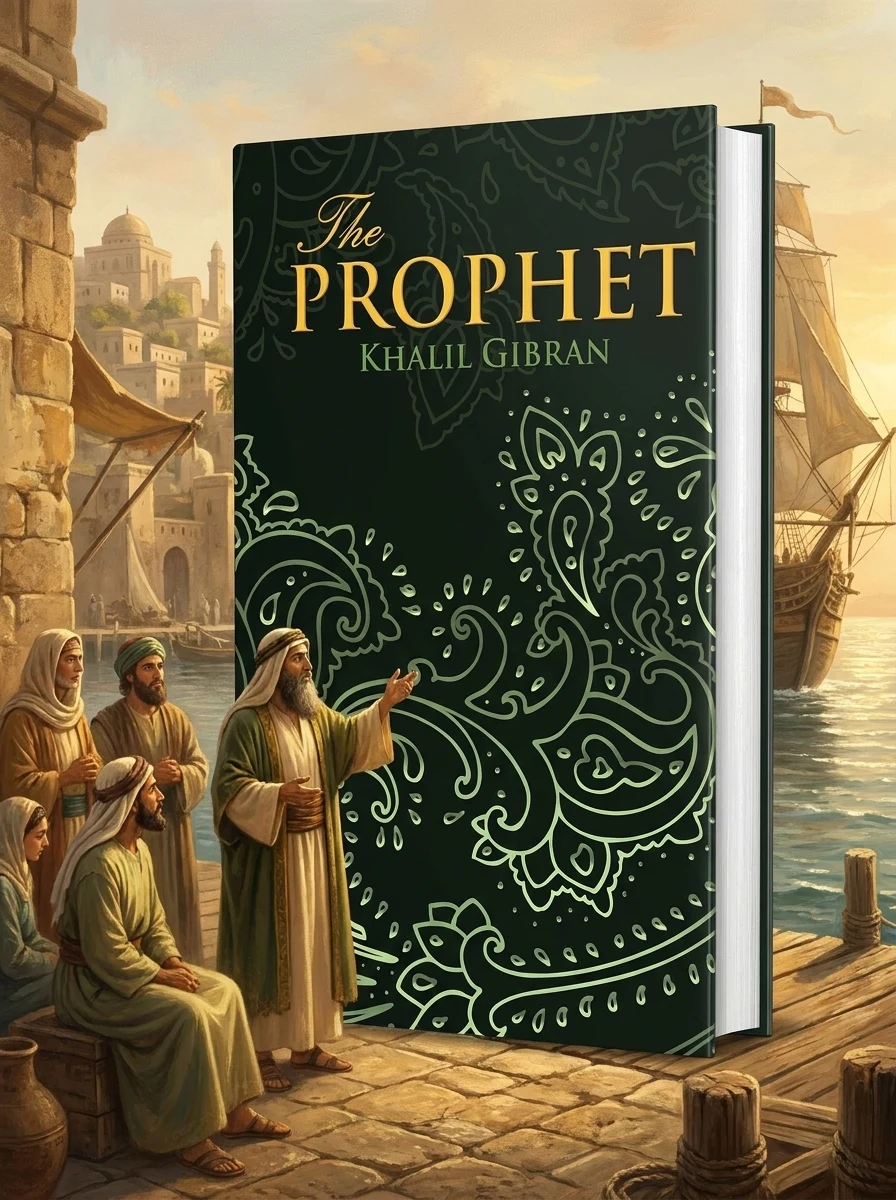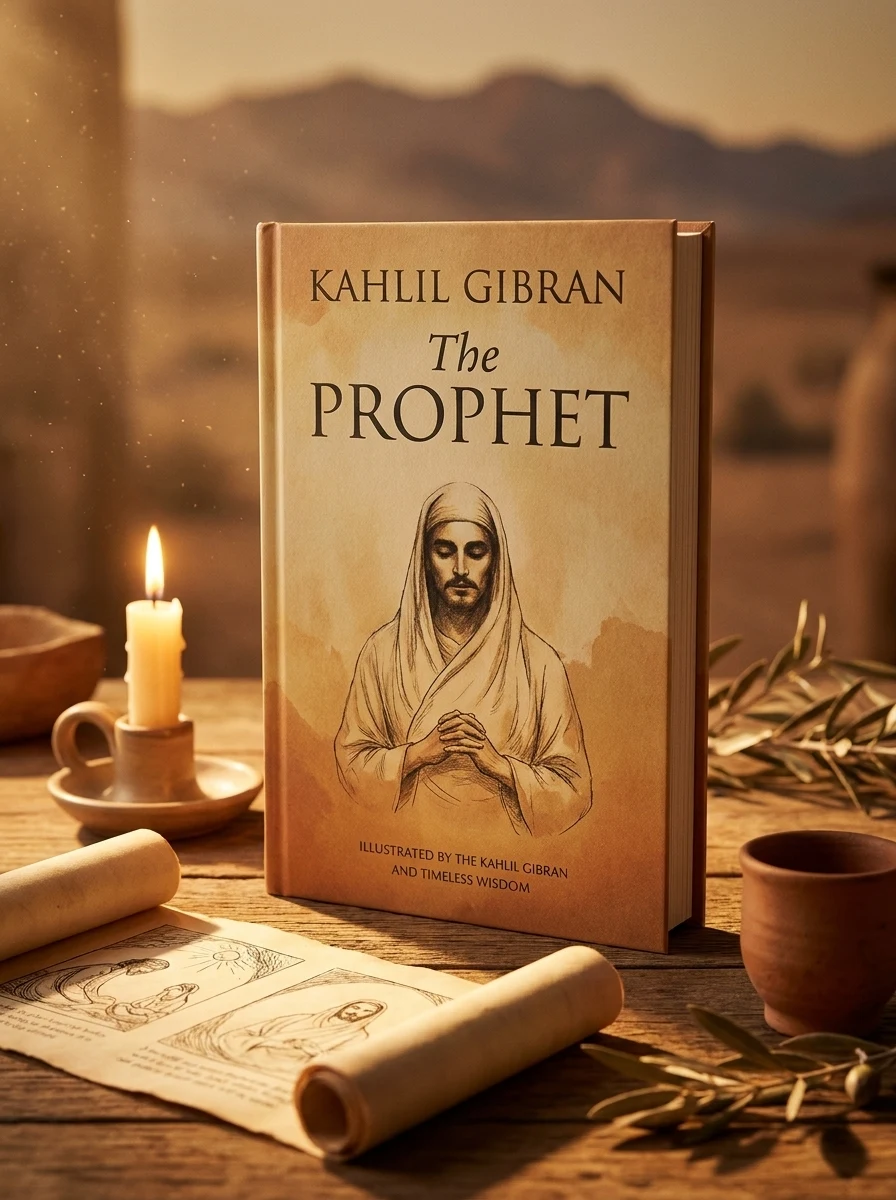

The Prophet: The Original 1923 Edition With Complete Illustrations (A Classics Kahlil Gibran Novel)
✍️ Gibran, KhalilA 1923 illustrated collection of twenty-eight poetic essays on philosophy, spirituality, and human experience.
This illustrated 1923 paperback contains twenty-eight essays by Kahlil Gibran, exploring foundational spiritual and human concepts. The author examines life choices and emotional states through poetic prose, addressing themes from marriage and work to freedom and death. Published by bnpublishing.com, this 62-page edition incorporates the artwork from the original release, combining text and imagery. Classified within medieval philosophy, religious poetry, and personal growth, the book offers a structured series of philosophical reflections for readers exploring historical mystical literature.
Originating in 1923, this classic text connects with medieval philosophy, religious poetry, and spiritual inspiration. Translated into more than 100 languages, its worldwide distribution reflects its broad historical reception across diverse cultures.


📝 Description: The Prophet: The Original 1923 Edition With Complete Illustrations (A Classics Kahlil Gibran Novel)
💎 Expert review
📖 Why choose it
Why this book is worth reading
Readers seeking a guiding light for their spiritual journey will find profound comfort in this timeless masterpiece. It serves as an exquisite companion for those navigating life's essential mysteries, offering universal insights into love, work, and mortality. The original 1923 illustrations enhance the experience, making it more than mere literature but a cherished artifact of wisdom. It is ideal for seekers who value transcendent themes over complex plots, providing a gentle yet powerful reflection on existence that has resonated across cultures for generations.
⭐ Reader reviews
Reader rating
Gibran’s prose is undeniably beautiful and historically significant, offering a serene meditation on the human condition. However, readers expecting intricate narrative development or rigorous intellectual argumentation will likely find it lacking. This is not a book for those who demand dense philosophical debate or fast-paced storytelling. Instead, it appeals to those who appreciate lyrical simplicity and spiritual affirmation. While its status as one of the most translated works is well-earned, casual readers seeking entertainment may find its meditative pace too slow for their taste.
❓ Frequently asked questions
📖 Who should read this
Seekers yearning for spiritual introspection and universal truths will find solace and inspiration within these poetic pages. If you appreciate philosophical reflections that speak directly to the heart and spirit, this beautifully illustrated edition offers profound guidance for navigating life's complexities with grace and wisdom.
🎯 Key themes and symbolism
Love and Relationships
This work explores the multifaceted nature of love, not merely as romantic attachment but as a profound spiritual force binding humanity. It offers guidance on cultivating deep, meaningful bonds within marriage, family, and friendship, emphasizing the importance of freedom and growth within connection, rather than possessiveness or constraint.
Work and Purpose
Gibran examines labor not as a burden, but as a sacred expression of the self, urging individuals to imbue their daily tasks with passion and intention. He suggests that true fulfillment and spiritual growth arise from pouring one's heart into their craft, transforming mundane work into an act of love and creation.
Life's Dualities
The narrative delves into the inherent balance of joy and sorrow, freedom and constraint, and life and death. It encourages readers to embrace these seemingly opposing forces as integral and necessary parts of the human experience, fostering a deeper self-knowledge and a more holistic understanding of existence.
📜 Historical context
📚 Glossary
- Almustafa
- Orphalese
- Discourse
📔 Questions to reflect on
- How does Gibran's perspective on "giving" challenge or affirm your own understanding of generosity and altruism in your daily life?
- Reflect on a personal experience of "joy and sorrow." How might Gibran's teachings encourage you to embrace both as interconnected and essential aspects of your existence?
- Consider your work or daily tasks. How can you infuse them with the "love made visible" that Gibran speaks of, transforming routine into a more sacred and fulfilling act?