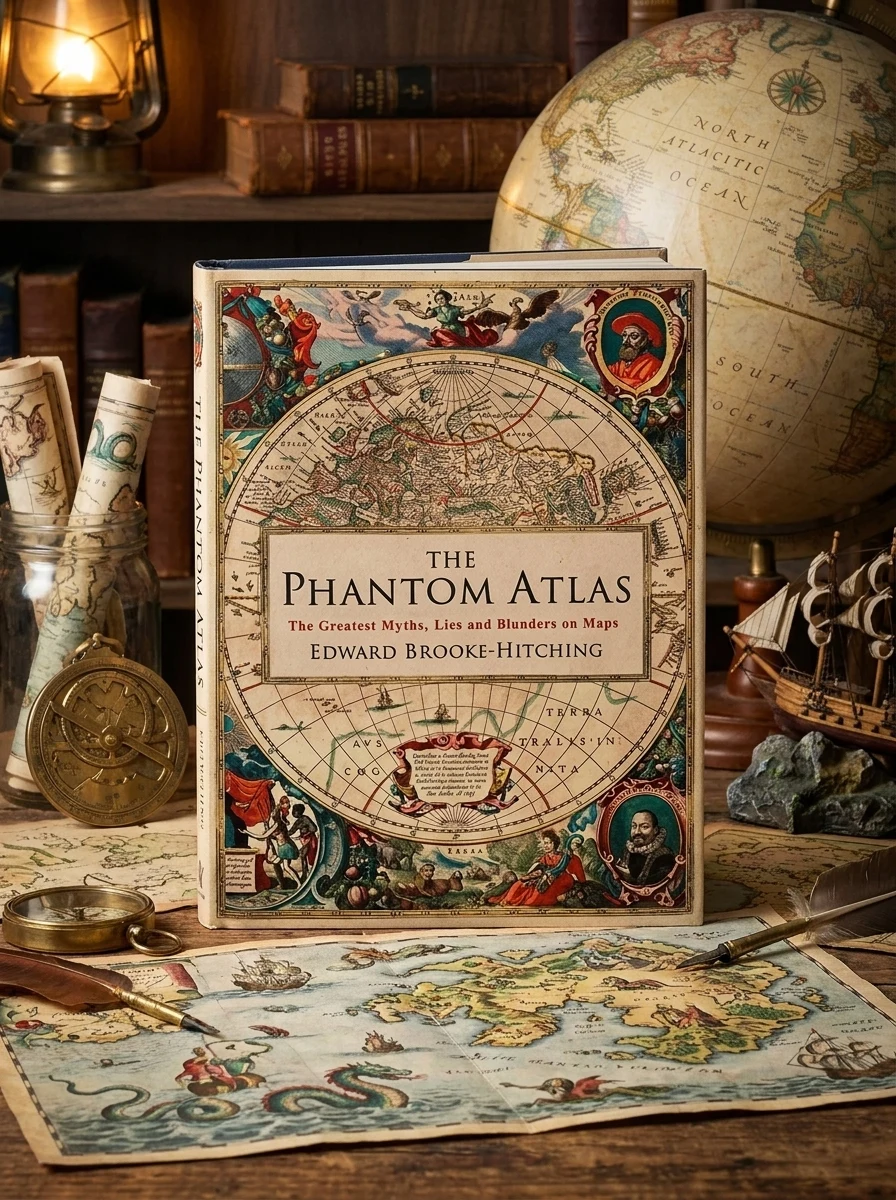
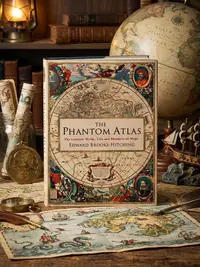
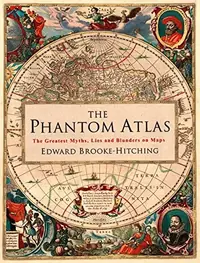
The Phantom Atlas: The Greatest Myths, Lies and Blunders on Maps
Brooke-Hitching, EdwardStock reported in the catalog; fulfillment is confirmed with your request.
Unearth the forgotten geographies where human fantasy shaped the very contours of the world.
Step into a fascinating journey through historical cartography, where the line between fact and fiction blurs. This lavishly illustrated volume unveils antique maps that depict realms not as they truly were, but as they were imagined to be. From elusive ghost islands to vast, mythical civilizations and monstrous sea creatures, discover the curious features that arose from misunderstanding, folklore, and deliberate fabrications. It's a profound exploration of how human belief, curiosity, and sometimes outright deception etched themselves onto the historical record of our planet, offering a unique perspective on the evolution of our understanding of the world.
This work sits at the intersection of historical cartography and esoteric geography, exploring how human imagination and folklore have historically shaped our understanding of the physical world. It bridges the gap between scientific record-keeping and the mystical or mythical interpretations that once filled the blank spaces on maps.


📝 Description: The Phantom Atlas: The Greatest Myths, Lies and Blunders on Maps
💎 Expert review
📖 Why choose it
Why this book is worth reading
Readers fascinated by the intersection of history, art, and human psychology will find profound delight in this lavishly illustrated journey through forgotten geographies. It appeals to those who enjoy uncovering how belief, curiosity, and deception have etched themselves onto our planet's historical record. Whether you are a cartography enthusiast, a lover of antique aesthetics, or simply someone intrigued by the line between fact and fiction, this book offers a unique perspective on the evolution of our world view. It invites you to step into realms imagined rather than measured, celebrating the human capacity for fantasy that once defined the contours of the earth.
⭐ Reader reviews
Reader rating
This volume is a visually stunning exploration of historical cartography's blind spots, perfect for those who appreciate the artistry behind antique maps and the stories they tell. However, it may not suit readers seeking rigorous scientific accuracy or dry academic treatises on geographical data. Those expecting strict factual geography might find the focus on myths, lies, and blunders frustrating rather than illuminating. It is best enjoyed as a visual and narrative experience rather than a reference tool for actual navigation or historical fact-checking, appealing more to the imagination than the empirical mind.
❓ Frequently asked questions
📖 Who should read this
If you're captivated by the intersection of myth and history, or drawn to the arcane beauty of ancient maps, this book is for you. Those fascinated by how human imagination and early beliefs shaped our understanding of the world will find its pages spellbinding.
🎯 Key themes and symbolism
The Geography of Belief
This work deeply explores how ancient beliefs, folklore, and spiritual interpretations of the world manifested on maps. It reveals how sacred or dangerous territories were conceived, and how cultural narratives, rather than empirical data, often dictated geographical representation, reflecting the psychic landscape of various eras. It's a testament to the power of collective imagination over observable reality.
Cartographic Alchemy
The book delves into the process where limited data, widespread rumors, and even wishful thinking were transmuted into seemingly concrete geographical features. It showcases how early mapmakers, in their earnest attempts to chart the unknown, often blended nascent scientific observation with speculative artistry, inadvertently creating a world that was as much a product of imagination as it was of exploration.
Lost Worlds & Phantom Lands
Discover the captivating tales of lands that existed solely within the human mind or through fleeting, misinterpreted sightings. From elusive cities of gold to entire continents that vanished with improved knowledge, this theme examines these ghost territories that once adorned historical charts, offering a poignant reflection on the impermanence of 'known' geography and the enduring allure of the undiscovered.
💬 Quotes from the book
“Every blank space on a nascent map was not an admission of ignorance, but an invitation for the mind to conjure wonders and horrors into being.”
“The cartographer, in his earnest attempt to chart the known, often inadvertently mapped the very frontiers of human credulity and aspiration.”
📜 Historical context
📚 Glossary
- Phantom Atlas
- Cartography
- Terra Incognita
📔 Questions to reflect on
- Consider a 'phantom' place from folklore, fiction, or your own imagination. How might it be mapped, and what does its existence (or non-existence) reveal about human desire or fear?
- In what ways do modern 'maps' – be they digital, social, or cultural – still contain elements of misunderstanding, bias, or outright fabrication, similar to historical phantom geographies?
- Reflect on a time when your understanding of a place drastically changed from what you had imagined. How did that shift alter your perception of reality?
📖 From the series “The Phantom Atlas”
All books in the series →
✍️ More books by this author Brooke-Hitching, Edward
All books by this author →
🏛 Books from this publisher Chronicle Books
All books from this publisher →
 91
91
 80
80
 87
87


You might also like
See more →

 91
91