US shipping Secure card payment Occult and esoteric books

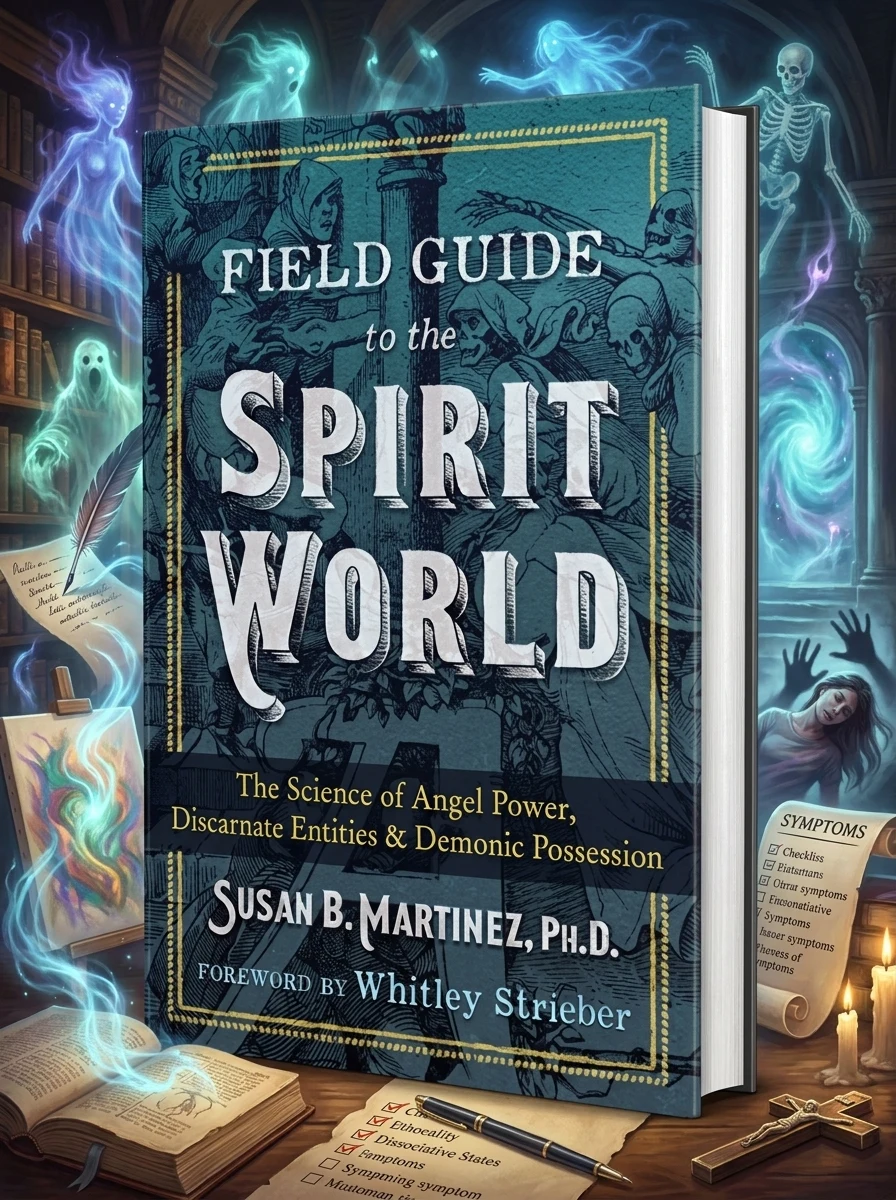
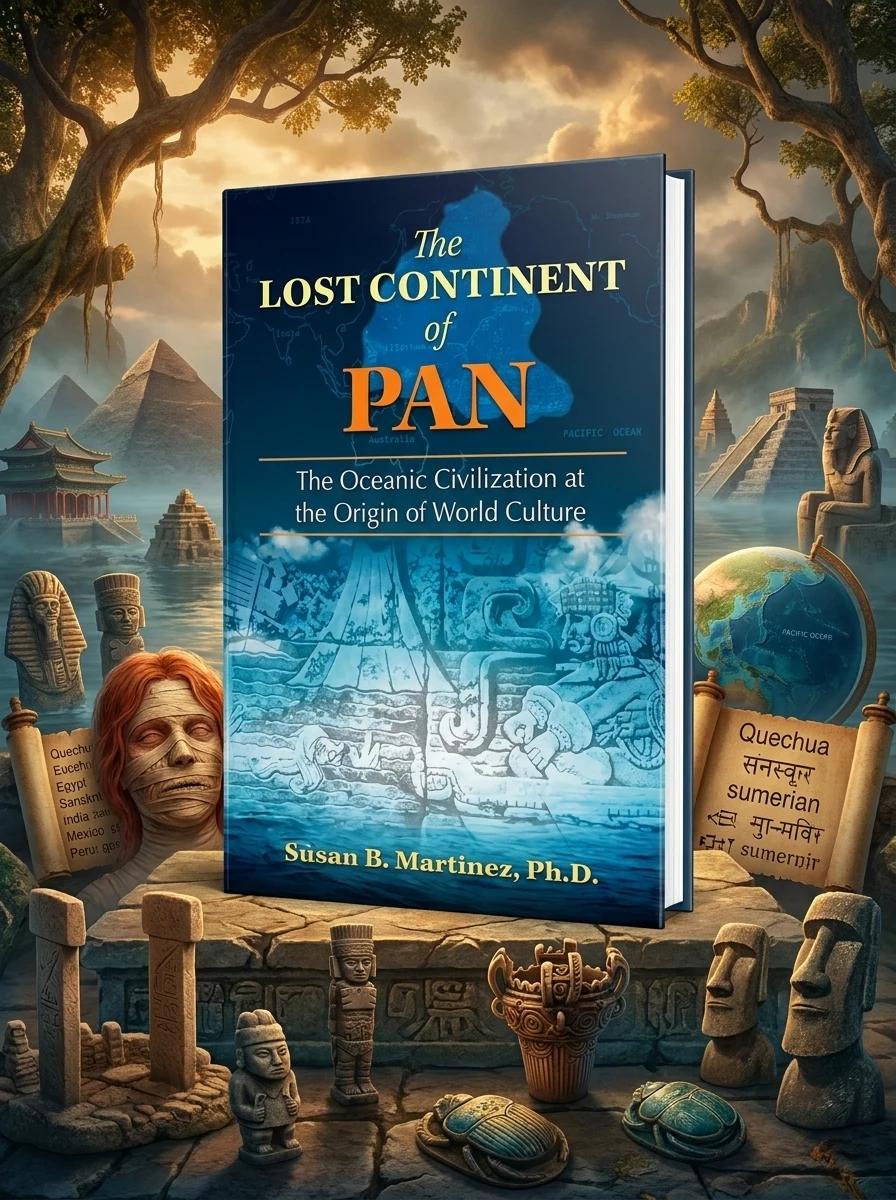
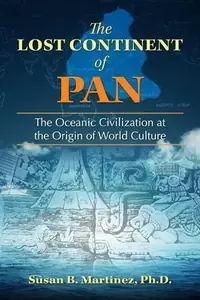
The Lost Continent of Pan: The Oceanic Civilization at the Origin of World Culture

Martinez, Susan B
Reader rating
4.5
(3 reviews) 79 sold
Availability to be confirmed

This edition can be ordered. No arrival date is confirmed.

📚 ABOUT THE BOOK

Discover the submerged Pacific Ur-culture that seeded all ancient civilizations before the Great Deluge.

Susan B. Martinez challenges conventional history by positing that a vast Pacific continent, known as Lemuria or Mu, vanished twenty-four millennia ago. She argues that the survivors, organized into five fleets, dispersed across the globe, carrying a sophisticated 'Ur-culture' to China, Egypt, India, and the Americas. The text connects disparate archaeological marvels, from Göbekli Tepe to Easter Island, suggesting a shared origin. By analyzing linguistic roots in languages like Sanskrit and Quechua, Martinez reconstructs a prehistoric golden age of technology and art, proposing that modern humanity’s foundational myths and physical traits stem from this lost oceanic diaspora.

Key themes
Pacific Lemuria Linguistic Archaeology Prehistoric Diaspora
Historical context

This work resides firmly within the fringe historical and esoteric tradition of lost continent theories, specifically those focusing on Pacific origins and pre-diluvian civilizations. It aligns with occult literature that seeks to unify global myths through a singular, ancient oceanic source.


Difficulty
● Easy
Fans will love it
Ignatius Donnelly's Atlantis · H.P. Blavatsky's Theosophical writings · Ernst Muldashev's Himalayan theories
🕊️ Spiritualism
🏛 Bear & Company 📖 512 pages 📔 Paperback 📐 Paperback ISBN: 9781591432678
Fun fact
Martinez offers a provocative synthesis of linguistic speculation and alternative history, weaving a compelling narrative of global unity. Her strength lies in connecting disparate cultural artifacts through shared linguistic roots, creating a cohesive, albeit controversial, worldview. Skeptics seeking rigorous academic proof will find this lacking, but enthusiasts of esoteric history will appreciate the imaginative scope. It occupies a unique space between occult speculation and comparative mythology, best enjoyed as a thought experiment rather than factual record.
📚 This book appears in Esoterica Books

📝 Description: The Lost Continent of Pan: The Oceanic Civilization at the Origin of World Culture

Reveals the Pacific Ur-culture that seeded the ancient civilizations of China, Egypt, India, Mexico, and Peru - Shows how the Pan diaspora explains the similarities between Gobekli Tepe and Toltec carvings and stone towers in Japan and on Easter Island - Reveals the mother tongue of Pan hidden in shared word roots in vastly different languages, including Quechua, Sanskrit, Japanese, Greek, and Sumerian - Explains the red-haired Caucasian mummies of China, the Ainu of Japan, the presence of "white" humans in early Native American legend, and other light-skinned peoples found in Southeast Asia and the Middle East The destruction of the vast continent of Pan--also known as Lemuria or Mu--in the Pacific Ocean 24,000 years ago was the greatest catastrophe that ever befell humanity. Yet it resulted in a prehistoric Golden Age of arts and technology thanks to the Sons of Noah, who, forewarned and prepared for the disaster, escaped in 5 organized fleets. Theirs was the masterful Ur-culture that seeded China, Egypt, India, Mexico, and Peru, explaining the sudden injection of the same advanced knowledge and sophisticated arts into those widely separated lands. Examining the diaspora from the sunken continent of Pan, Susan B. Martinez finds traces of the oceanic Pan civilization in arts and technologies from canal-works, masonry, and agriculture to writing, weaving, and pottery, but most importantly in the art of navigation, the hallmark of the survivors of the catastrophe. Using archaeo-linguistic analysis, she reveals the mother tongue of Pan hidden in strikingly similar words for royalty, deities, and important places in vastly different languages, including Quechua, Maori, Sanskrit, Japanese, Chinese, Greek, and Sumerian, as well as English through the prefix "pan" which denotes "all-encompassing." The author reveals how the Pan diaspora explains the mound builders on each continent, the presence of "white" humans in Native American legend, the red-haired mummies found in China, and the Ainu of Japan. She shares recent genetic studies that reveal Polynesian DNA in central Europeans, Mesopotamians, South Americans, and the 9000-year-old Kennewick man and shows how Pan provides the missing link. She reveals why carvings at Gobekli Tepe are similar to Toltec artistry, why stone towers in Japan and Easter Island are identical, and how the Pacific Ring of Fire was activated. Moving the Garden of Eden from the Fertile Crescent to the South Seas, Martinez strikes down the pervasive view of Atlantis as the source of ancient knowledge and exposes the original unity of mankind on the ancient Pacific continent of Pan.

💎 Expert review

💎
Esoterica Books editorial team
Occult literature desk
Martinez presents a bold thesis that will appeal to enthusiasts of ancient astronaut or lost civilization lore, yet it lacks the rigorous academic peer-reviewing expected by serious historians. Readers seeking empirical archaeological evidence or strict chronological accuracy will likely find the leaps in logic frustrating and unconvincing. The text relies heavily on interpretive connections between disparate cultures rather than concrete proof, which may alienate skeptics. However, for those open to speculative metaphysics, it offers a cohesive, if unconventional, worldview. It is not suitable for readers who demand hard scientific data or who view such theories as mere pseudoscience without merit.
✓ EDITOR'S REVIEW

📖 Why choose it

📖

Why this book is worth reading

Readers fascinated by alternative histories and the interconnectedness of ancient cultures will find this book deeply engaging. It offers a compelling narrative for those who feel conventional archaeology leaves gaps in our understanding of human origins. If you are drawn to the mystery of Lemuria or Mu, this text provides a detailed roadmap of how a single civilization might have seeded the world’s major religious and architectural traditions. The author’s approach to linguistic roots and artistic parallels invites readers to see the world through a lens of shared heritage rather than isolated development. It is perfect for those seeking spiritual validation of their intuitive sense that humanity shares a common, advanced ancestry. The book serves as an inspiring guide for anyone interested in the esoteric connections between Eastern and Western mythologies.

⭐ Reader reviews

The starting rating comes from the team Esoterica Books —
⭐ Esoterica editorial review Editorial rating 4.4/5
★★★★
Readers fascinated by alternative archaeology, comparative mythology, and the mysteries of ancient advanced civilizations will find this work essential. It appeals to those questioning mainstream historical narratives and seeking connections between global cultures.

Reader rating

4.5
Based on 3 reviews
5
2
4
1
3
0
2
0
1
0
S
Stella H. ✓ Verified purchase
October 13, 2025
Beautiful edition

Grabbed this during a weekend order. You can tell why this work has endured. It pairs well with more modern commentaries on the same tradition.

W
Walter P.
August 24, 2025
Deep and rewarding

I collect works on this subject and this is a worthy addition. It connects ideas I'd only seen treated separately elsewhere. Highly recommend to serious students.

E
Esoterica Books editorial team

Martinez presents a bold thesis that will appeal to enthusiasts of ancient astronaut or lost civilization lore, yet it lacks the rigorous academic peer-reviewing expected by serious historians. Readers seeking empirical archaeological evidence or strict chronological accuracy will likely find the leaps in logic frustrating and unconvincing. The text relies heavily on interpretive connections between disparate cultures rather than concrete proof, which may alienate skeptics. However, for those open to speculative metaphysics, it offers a cohesive, if unconventional, worldview. It is not suitable for readers who demand hard scientific data or who view such theories as mere pseudoscience without merit.

❓ Frequently asked questions

It blends speculative linguistic analysis with alternative historical interpretations rather than standard peer-reviewed archaeology, appealing to readers of esoteric history.
It refers to the hypothetical advanced, unified civilization that Martinez claims existed in the Pacific before its destruction, which seeded global cultures.

📖 Who should read this

Readers fascinated by alternative archaeology, comparative mythology, and the mysteries of ancient advanced civilizations will find this work essential. It appeals to those questioning mainstream historical narratives and seeking connections between global cultures.

🎯 Key themes and symbolism

Pacific Lemuria

Linguistic Archaeology

Prehistoric Diaspora

💬 Quotes from the book

“The destruction of the vast continent of Pan was the greatest catastrophe that ever befell humanity.”

“Theirs was the masterful Ur-culture that seeded China, Egypt, India, Mexico, and Peru.”

📜 Historical context

This work sits within the tradition of 19th-century occult geography, echoing the theories of James Churchward and Blavatsky regarding the lost continents of Mu and Lemuria. While traditional academia dismisses such ideas as pseudohistory, Martinez revives the concept through a lens of comparative linguistics and speculative archaeology, bridging esoteric tradition with modern debates on prehistoric migration and cultural diffusion.

📚 Glossary

Ur-culture
Pan Diaspora
Lemuria

📔 Questions to reflect on

  1. How does the idea of a unified 'Ur-culture' change your perception of ancient cultural similarities?
  2. What linguistic or archaeological evidence would convince you that a Pacific continent once existed?
  3. In what ways do modern myths of 'golden ages' reflect a longing for lost unity?

🏛 Books from this publisher Bear & Company

All books from this publisher →
You might also like

See more →