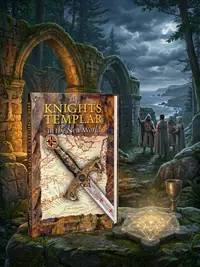

The Knights Templar in the New World: How Henry Sinclair Brought the Grail to Acadia
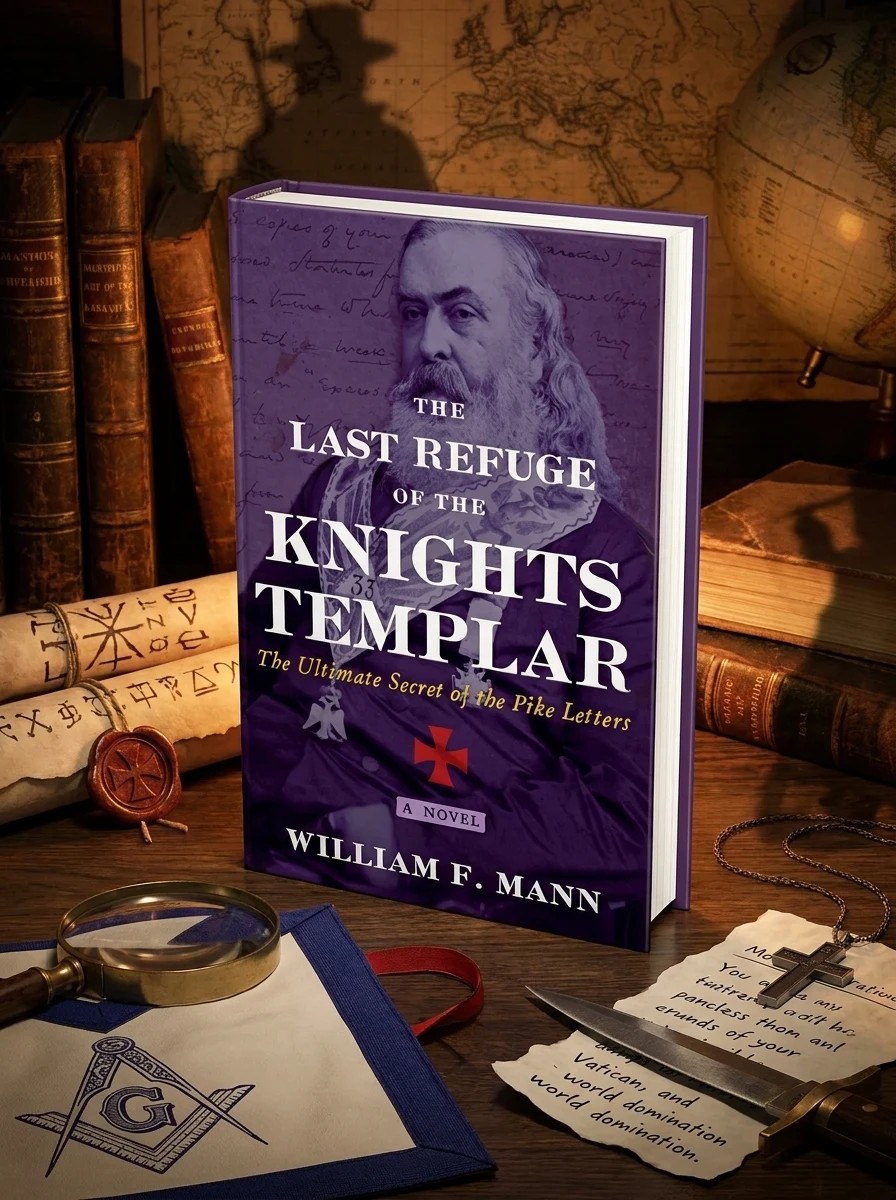
Mann, William F

This edition can be ordered. No arrival date is confirmed.
Did the Templars hide the Holy Grail in Nova Scotia centuries before Columbus?
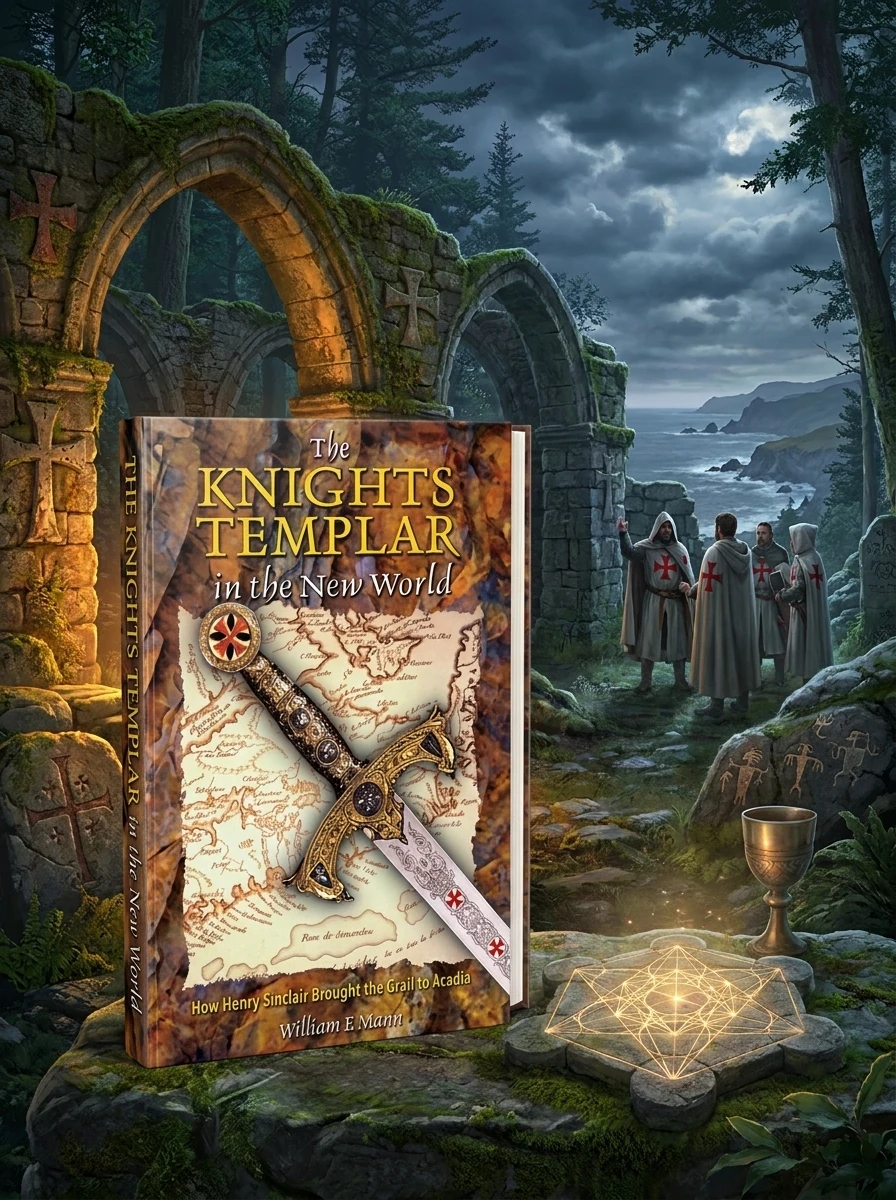
Delve into a captivating alternative history where Scottish Prince Henry Sinclair, nearly a century before Columbus, journeyed to North America. This volume posits that Sinclair provided sanctuary for the persecuted Knights Templar, leading them to establish a clandestine settlement in what is now Nova Scotia. Author William F. Mann masterfully weaves together intricate threads of sacred geometry, compelling archaeological discoveries, and ancient Micmac legends, presenting a provocative case that the legendary Holy Grail, safeguarding a sacred bloodline, was secreted away in this newly discovered refuge.
This work sits firmly within the tradition of alternative history and esoteric archaeology, exploring fringe theories regarding secret societies and ancient mysteries. It challenges mainstream historical narratives by proposing hidden connections between medieval European orders and early North American settlements.


📝 Description: The Knights Templar in the New World: How Henry Sinclair Brought the Grail to Acadia
💎 Expert review
📖 Why choose it
Why this book is worth reading
Readers fascinated by the intersection of sacred geometry, ancient legends, and suppressed history will find this book deeply engaging. It appeals specifically to those intrigued by the Knights Templar’s enduring mystique and the possibility of their survival in unexpected locations. If you enjoy unraveling complex webs of archaeological evidence blended with indigenous Micmac lore, this volume offers a compelling narrative. It is perfect for anyone questioning standard historical timelines and seeking a story where Scottish Prince Henry Sinclair plays a pivotal role in safeguarding sacred secrets far from Europe. The book provides a rich tapestry of alternative perspectives that stimulate the imagination and encourage critical thinking about the past.
⭐ Reader reviews
Reader rating
William F. Mann presents a provocative case that will likely polarize readers. While the weaving of sacred geometry and archaeological claims creates an intriguing narrative for believers in alternative history, skeptics may find the leap from evidence to conclusion unconvincing. This book is not suited for those seeking rigorous, peer-reviewed academic historiography or those who prefer strictly documented facts over speculative theory. It thrives on the allure of mystery rather than definitive proof. Consequently, it serves best as a thought-provoking exploration of esoteric possibilities rather than a factual record. Readers expecting hard data may be disappointed, but those open to the romance of hidden history will appreciate the detailed construction of this clandestine settlement narrative.
❓ Frequently asked questions
📖 Who should read this
If you're drawn to the fringes of established history, curious about hidden societies, or fascinated by the intersection of ancient mysteries and North American landscapes, this book offers a truly paradigm-shifting perspective. Prepare to reconsider everything you thought you knew about exploration and secret legacies.
🎯 Key themes and symbolism
Templar’s Hidden Legacy
Explores the enduring mystery of the Knights Templar, suggesting their survival and migration following medieval persecution. It posits their clandestine establishment of a sanctuary in the New World, preserving esoteric knowledge and artifacts far from European grasp, thus rewriting their ultimate fate.
Pre-Columbian Exploration
Challenges conventional narratives of North American discovery by presenting compelling evidence for Prince Henry Sinclair's expedition to Acadia in 1398. The book meticulously examines historical accounts and indigenous oral traditions, suggesting a sophisticated, early transatlantic voyage with profound implications for colonial history.
The Grail's True Nature
Unravels the enigmatic symbolism of the Holy Grail, not merely as a cup, but as a genealogical secret connecting ancient lineages from King David through Jesus and Mary Magdalene. This work contends that this profound spiritual inheritance was deliberately concealed within the Templar settlement across the Atlantic.
💬 Quotes from the book
“The confluence of Micmac oral histories, meticulously charted sacred geometries, and the unearthing of specific archaeological anomalies paints an undeniable picture of pre-Columbian European presence.”
“To understand the Grail's true nature is to move beyond the physical vessel and embrace its profound significance as a lineage, a living testament carried across oceans for safekeeping.”
📜 Historical context
📚 Glossary
- Knights Templar
- Sacred Geometry
- Holy Grail
📔 Questions to reflect on
- Consider how a confirmed pre-Columbian European settlement would fundamentally alter our understanding of North American history and the age of exploration.
- Reflect on the power of secret societies like the Templars to shape events and preserve knowledge beyond the reach of mainstream historical records.
- How might recognizing indigenous oral traditions as valid historical sources enrich or challenge current academic methodologies?
✍️ More books by this author Mann, William F
All books by this author →
🏛 Books from this publisher Destiny Books
All books from this publisher →


You might also like
See more →