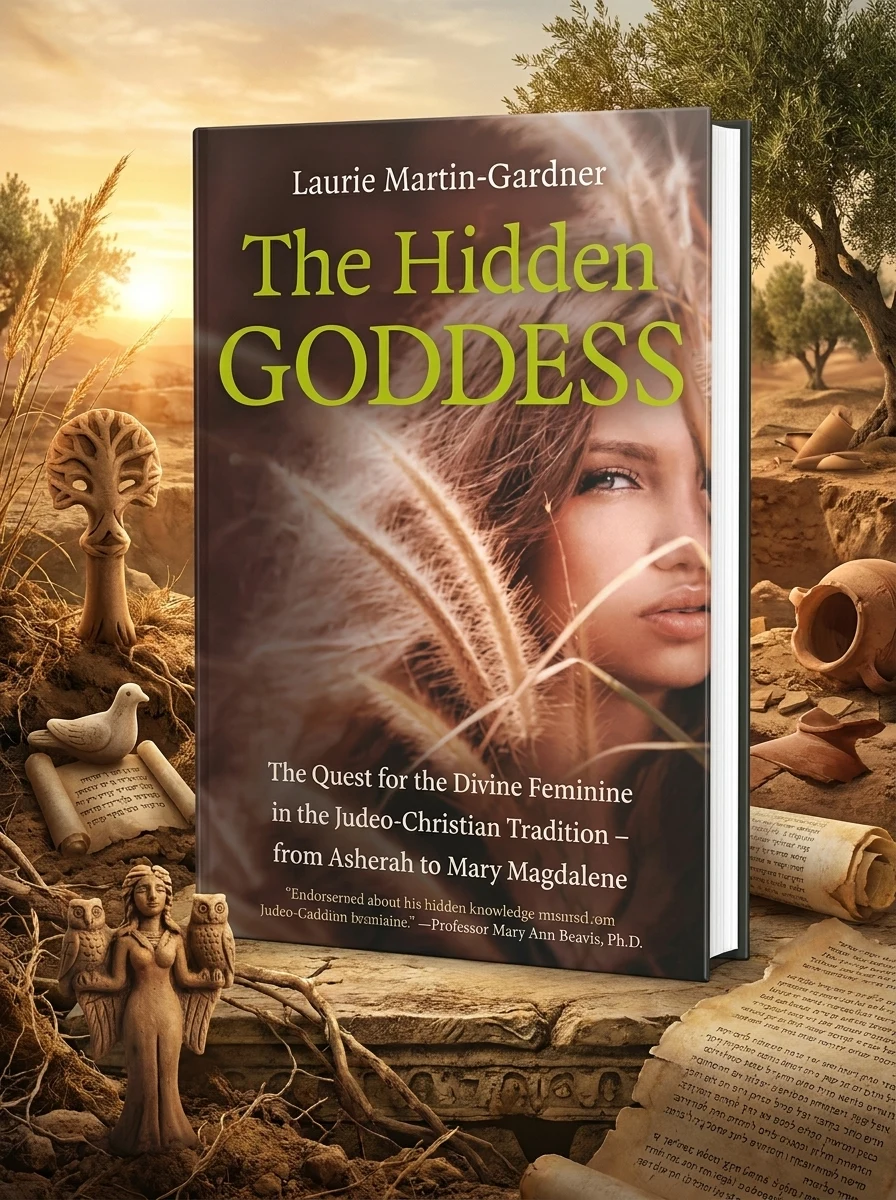
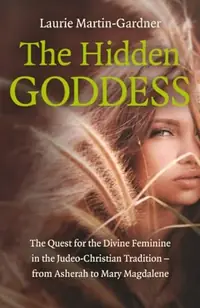
The Hidden Goddess: The Quest for the Divine Feminine in the Judeo-Christian Tradition - From Asherah to Mary Magdalene
This edition can be ordered. No arrival date is confirmed.
Uncover the forgotten power of the Divine Feminine hidden within biblical traditions.
Martin-Gardner meticulously unearths the profound presence of the sacred feminine obscured within the foundational texts of Judaism and Christianity. Moving beyond common interpretations, this work illuminates figures like Asherah, Sophia, and Lilith, alongside reinterpretations of Eve and Mary, tracing their historical significance in early belief systems. It then explores the systematic efforts to diminish their prominence, offering a compelling narrative that challenges conventional views on the divine.
This work sits within the modern esoteric revival of goddess spirituality and critical biblical studies, exploring the historical roots of the Divine Feminine in Judeo-Christian traditions.


📝 Description: The Hidden Goddess: The Quest for the Divine Feminine in the Judeo-Christian Tradition - From Asherah to Mary Magdalene
💎 Expert review
📖 Why choose it
Why this book is worth reading
Readers seeking to reclaim the sacred feminine will find this book a vital companion. It is ideal for those intrigued by the obscured roles of figures like Asherah, Sophia, and Lilith within early belief systems. If you feel that conventional religious narratives have marginalized the divine feminine, this text offers a compelling counter-narrative. It empowers readers to understand the historical significance of these women and goddesses before their prominence was systematically diminished. This exploration provides a deeper, more nuanced view of Jewish and Christian foundations, appealing to anyone passionate about uncovering forgotten spiritual powers and challenging established dogmas regarding gender and divinity.
⭐ Reader reviews
Reader rating
Martin-Gardner delivers a meticulous unearthing of the sacred feminine, offering a fresh perspective on familiar biblical figures. The narrative effectively traces the journey from Asherah to Mary Magdalene, highlighting systematic efforts to obscure their importance. However, readers seeking strictly orthodox theological interpretations or those uncomfortable with feminist reinterpretations of scripture may find this challenging. It is not for those who prefer traditional, unchallenged doctrinal views. Instead, it serves as a robust resource for those willing to engage with alternative historical contexts and esoteric traditions that value the divine feminine equally alongside the masculine.
❓ Frequently asked questions
📖 Who should read this
For seekers fascinated by the occult, esoteric spirituality, and the hidden currents of religious history, this book offers a profound journey. If you yearn to rediscover the divine feminine within seemingly patriarchal traditions, prepare for an illuminating exploration.
🎯 Key themes and symbolism
Suppression of Feminine Divinity
This book thoroughly investigates the historical processes and theological shifts that led to the marginalization and eventual erasure of powerful female deities and divine aspects from mainstream Judeo-Christian narratives, revealing a deliberate patriarchal agenda.
Biblical Reinterpretation
Martin-Gardner presents a fresh lens for examining scriptural texts, demonstrating how traditional readings often overlook or misrepresent the roles and significance of feminine archetypes. It encourages a critical engagement with the Bible to uncover its hidden layers.
Rediscovering Goddess Figures
The work introduces readers to a pantheon of forgotten or misunderstood female divine entities—from the Canaanite Asherah to the Gnostic Sophia and the folkloric Lilith—detailing their original contexts and their symbolic resonance within early Abrahamic faiths.
💬 Quotes from the book
“Across millennia, the sacred feminine has whispered from the margins, awaiting rediscovery within the very texts that sought to silence her.”
“To truly understand the biblical narrative, one must first learn to hear the echoes of goddesses deliberately edited from its patriarchal pronouncements.”
📜 Historical context
📚 Glossary
- Asherah
- Sophia
- Lilith
📔 Questions to reflect on
- Reflect on a personal experience where a traditional religious narrative felt incomplete or excluded feminine perspectives. How might the ideas in this book broaden your understanding?
- Consider the concept of "suppression" in spiritual traditions. What are the modern-day equivalents of marginalizing certain divine aspects or figures?
- How might the rediscovery of figures like Asherah or Sophia impact contemporary spiritual practices or one's personal connection to the divine?
🏛 Books from this publisher Moon Books
All books from this publisher →

 81
81

 89
89


You might also like
See more →


 91
91
 91
91